1. Home
  2. Phones
  3. Mobile
  4. News

Digital Trends may earn a commission when you buy through links on our site. Why trust us?

iOS 19 isn’t coming this fall … because Apple is calling it something else

Add as a preferred source on Google
The back of the Apple iPhone 16 Pro Max.
Andy Boxall / Digital Trends
Promotional logo for WWDC 2023.
This story is part of our complete Apple WWDC coverage

Apple will unveil the latest version of the iPhone operating system at WWDC next month, but apparently it won’t be “iOS 19.”

The tech giant is going to shake up the naming system for iOS, with the next version set to be called iOS 26, according to a Bloomberg report by prominent Apple tipster Mark Gurman on Wednesday.

Recommended Videos

Switching to a system that identifies the iOS by year, Gurman described it as “the most sweeping change yet to its operating system names.”

Citing sources with knowledge of the matter, he also claimed that the new system will extend to software on other Apple devices, so expect to see the company unveil  iPadOS 26, macOS 26, watchOS 26, tvOS 26, and visionOS 26 at its WWDC 2025 event on June 9.

According to the Bloomberg reporter, Apple has decided to make the change in a bid to “bring consistency to its branding and move away from an approach that can be confusing to customers and developers.” The current software names — for example iOS 18, watchOS 11, macOS 15, and visionOS 2 — feature different numbers as they each launched at a different time. 

While it’s unlikely to make much difference to most Apple customers who just want their devices to do what they’re supposed to do and don’t really pay much attention to the details of the operating system that powers them, Apple may believe it’ll help with marketing as it seeks to sell more devices.

But what’s less clear is why it has apparently selected a number that’s a year ahead of the launch date. In other words, why isn’t Apple calling it iOS 25 if it’s going to be released this fall? 

Gurman notes how Samsung renamed its Galaxy S line of handsets in 2020 to Galaxy S20 (instead of S11), to match the launch year. Perhaps Apple will follow suit with the iPhone in a year or two, but it can’t bear the thought of precisely matching Samsung’s system, opting instead to use the following year, similar to how automakers name new models. 

Perhaps all will be revealed next month when Apple is expected to announce the new naming system at its annual developer event … which we assume it’s still calling WWDC25 and not WWDC26.

Trevor Mogg
Contributing Editor
Not so many moons ago, Trevor moved from one tea-loving island nation that drives on the left (Britain) to another (Japan)…
Vibecoded apps are flooding Apple’s App Store, and users are getting sick of them
App Store submissions have doubled this year as AI tools make it easier than ever to build an app, but downloads haven't kept pace, and for good reason.
Apple App Store homepage on an iPhone

Apple's App Store is in the middle of its steepest submission surge in years. Developers submitted nearly 600,000 new apps last year, marking a 30 percent jump over the previous year. That number has already doubled to roughly 560,000 new apps in just the first six months of this year, according to estimates from analytics firm Sensor Tower cited by the New York Times. The reason behind the spike is vibecoding, which allows people with no prior development experience to create new apps using AI tools.

A familiar boom, with a twist

Read more
Google Photos adds a quick toggle between AI and classic search
Classic search is finally easier to reach for people who enabled Ask Photos
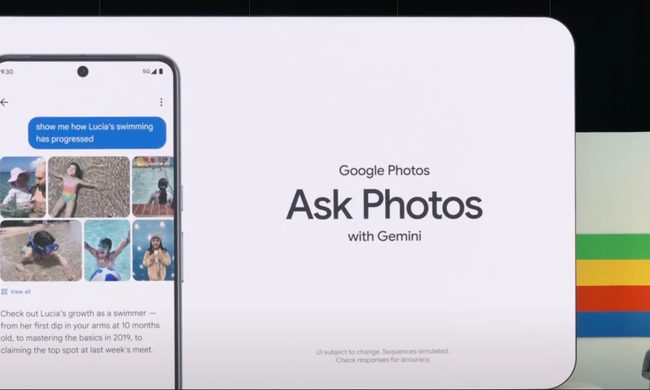
Google's Ask Photos debut.

Google Photos is giving users an easier way to leave its Gemini-powered search when a simple keyword would do. A new toggle now sits at the top of the results page, letting users switch between Ask Photos and classic search without digging through settings.

The change appears to address feedback from people who opted into Ask Photos but wanted a quicker way to return to classic search when Gemini was slower or less useful for a straightforward query.

Read more
Snapseed Camera now lets Android users save original photos and add geotags
Google updates Snapseed Camera with geotag support and non-destructive photo editing
Snapseed App

Google appears to be quietly turning Snapseed into something more than just a photo editing app. Over the past few weeks, the company has been steadily adding new capabilities to Snapseed Camera, its standalone camera app for Android. The latest update introduces two practical features that many smartphone users have come to expect from modern camera apps: the ability to save an untouched copy of every image for future editing and support for embedding location data directly into photos.

Neither feature is flashy, but together they make Snapseed Camera a more capable photography tool, particularly for users who like experimenting with filters without permanently altering their original shots. According to a report by 9to5Google, the features are rolling out with Snapseed Camera version 4.1.1.x on Android.

Read more