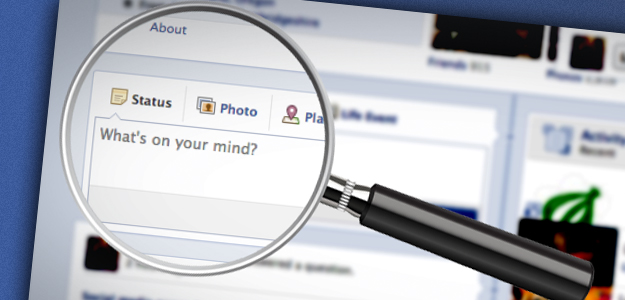
 Today Facebook announced a new way to find information on the social network. Dubbed Graph Search, the feature is different from traditional Web search tools like Google; most results come from within Facebook – and that means being able to find tons of information about the friends, colleagues, and brands you follow.
So, for example, you can search “friends who like Breaking Bad and skiing’,” or “my colleagues who like Mexican food and own an iPhone” and Graph Search will deliver applicable results. And if certain information isn’t available from within Facebook’s databases, the company has partnered with Microsoft’s Bing search engine to bring in outside details.
As you might imagine, privacy issues rocketed to the center of the discussion, with Facebook addressing the topic in both its press conference, and with a Web page devoted to the topic (where you can also lightly try out Graph Search for yourself).
“We’ve built Graph Search from the start with privacy in mind, and it respects the privacy and audience of each piece of content on Facebook,” the company said in a press release. “It makes finding new things much easier, but you can only see what you could already view elsewhere on Facebook.”
That all sounds great – but given Facebook’s history of bending the definition of “privacy,” we decided to get some independent experts to weigh in on the hot new feature.
How privacy works on Graph Search
The first thing to know is that none of your information will show up for other users unless you “allowed” them to see it in the first place. In other words, if a status update or photo is set to “friends only,” only your friends will see such a result in the Graph Search queries. Posts and other content set to “public” can be found by anyone – just as it always has been.
If you want to change your settings now to limit which information about you is available to others through Graph Search, Facebook provides these tips:
- Use the audience selector to choose who can see things you share
- Visit your activity log to see and review things you’ve hidden from your timeline
- Go to the About section on your timeline to view and manage basic info about yourself
To sum up, Graph Search does not change your privacy settings, nor does it allow complete strangers to see information about you that you never intended them to see (unless, of course, you fumbled your privacy settings in the first place). Facebook will also begin to show a “review who can see your stuff” prompt when users gain access the Graph Search feature, which is currently in beta and requires an invite.
What privacy experts think about Graph Search
While the emphasis on privacy is a smart PR move by Facebook (and possibly a legally binding one in the eyes of the U.S. government), the attention to user privacy does not mean everything is the same for users.
“Just because content was technically public on Facebook before doesn’t mean it was easily accessible,” says Sarah Downey, an attorney and privacy advocate for Abine. “But with a powerful new search feature, everything you post is one search away. It’s like the difference in finding Web content with or without a search engine: It exists online, but it might as well be invisible without Google.”
Adi Kamdar, an activist with the Electronic Frontier Foundation (EFF), agrees that Facebook Graph Search has created a “discoverability problem” for users.
“What people once thought was shared only to their Facebook audience – whether that’s their friends, networks, or the whole public – but figured was too hard to find is now readily available,” he says. “For example, someone may not remember that she ‘liked’ the ‘Samsung Mobile’ page back in college, but now people can search for ‘People who work at Apple, Inc. who like Samsung Mobile,’ which could lead to a heavy dose of awkward.”
While Graph Search may now allow our social networking histories to come back to bite us more easily, it may not cause Facebook users to revolt as they have with other new features.
“The open question is whether increasing the accessibility of information will feel like a privacy violation for some users,” says David Jacobs, consumer protection attorney for the Electronic Privacy Information Center (EPIC). “I’m hesitant to make a prediction at this point, but it seems like the change in exposure isn’t great enough to provoke user backlash.”
That said, people do not often react positively when it seems as though the disclosure of their personal information is out of their control, says Jacobs.
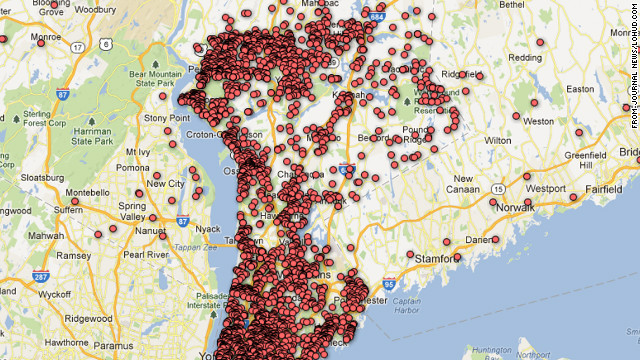
“With Timeline, for example, some users were surprised at the amount of information that was now readily available (even though it was all previously accessible, albeit with more effort),” he says. “For a more recent, and more controversial, example of privacy through obscurity, see the map of registered gun owners prepared by several periodicals. Although the registrations were always publicly-available, the presentation of this information in a more accessible format still caused controversy.”
Button things up
In short, the launch of Graph Search makes it “more important than ever to lock down your Facebook privacy settings, now that everything you post will be even easier to find,” says Downey. But that’s not all – this so-called discoverability problem with Graph Search may actually be the feature that pushes us to take control of our Facebook privacy settings in ways we never have before, thus increasing our privacy online.
“On Facebook, things are more public by default than people may think,” says Kamdar. “But even beyond specifically public settings, actions, and photos that were once lost in the sands of Timeline are now more easily discoverable by strangers with loose ties, forcing us to reassess what we actually think is private and what is not.”