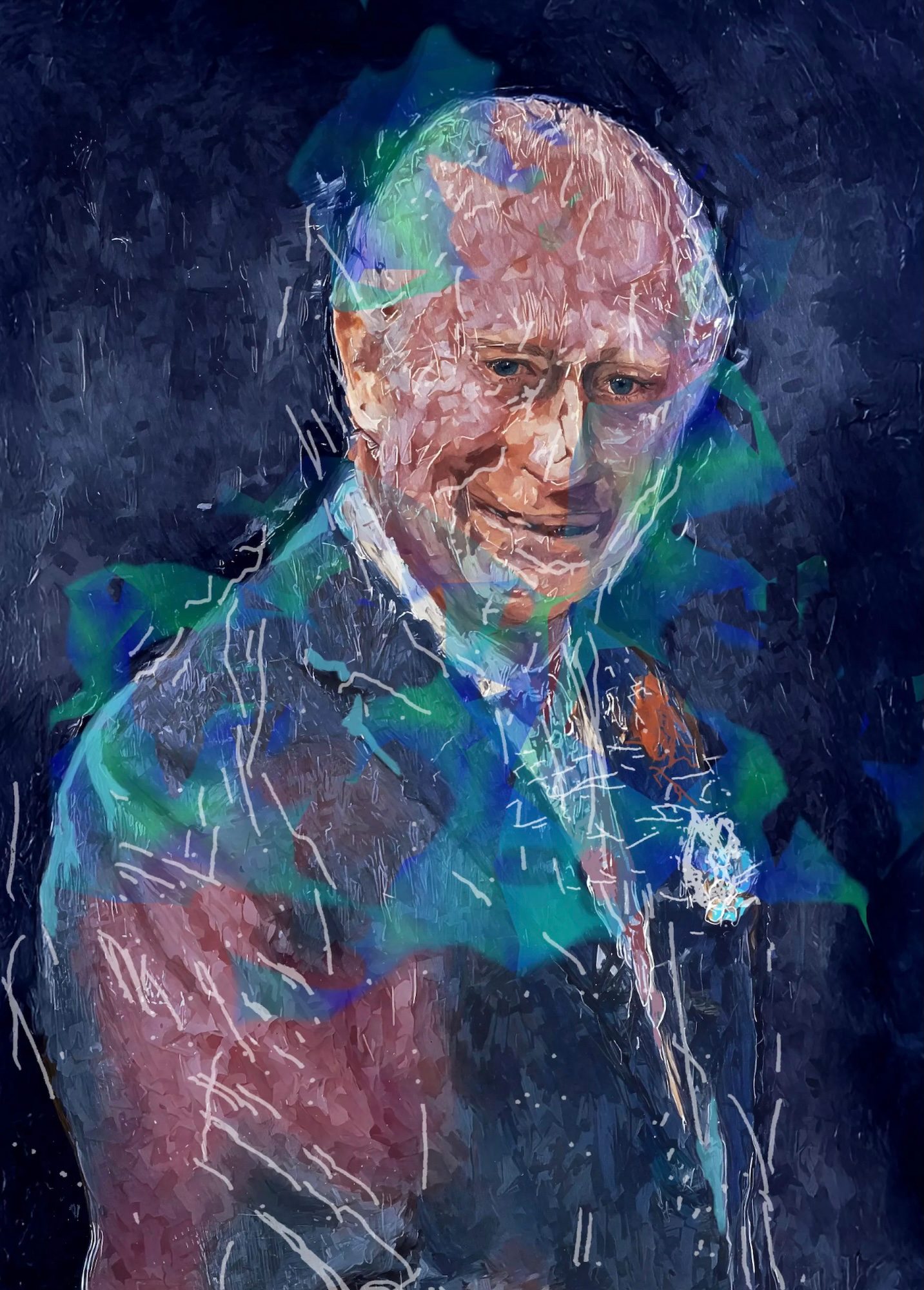
Painting a portrait of a British monarch is a coveted honor, with the tradition stretching back more than six centuries.
And while that custom looks set to continue, there’s a whiff of change in the air after a humanoid robot artist called Ai-Da created an impressive portrait of King Charles III.
Ai-Da created the artwork, called “Algorithm King,” by skillfully painting with oil colors using her robotic arm. King Charles didn’t sit for the portrait, with Ai-Da instead using photos of the monarch, as well as AI smarts, to produce the artwork.
The painting was unveiled this week as part of the AI For Good Summit hosted by the United Nations in Geneva, Switzerland.
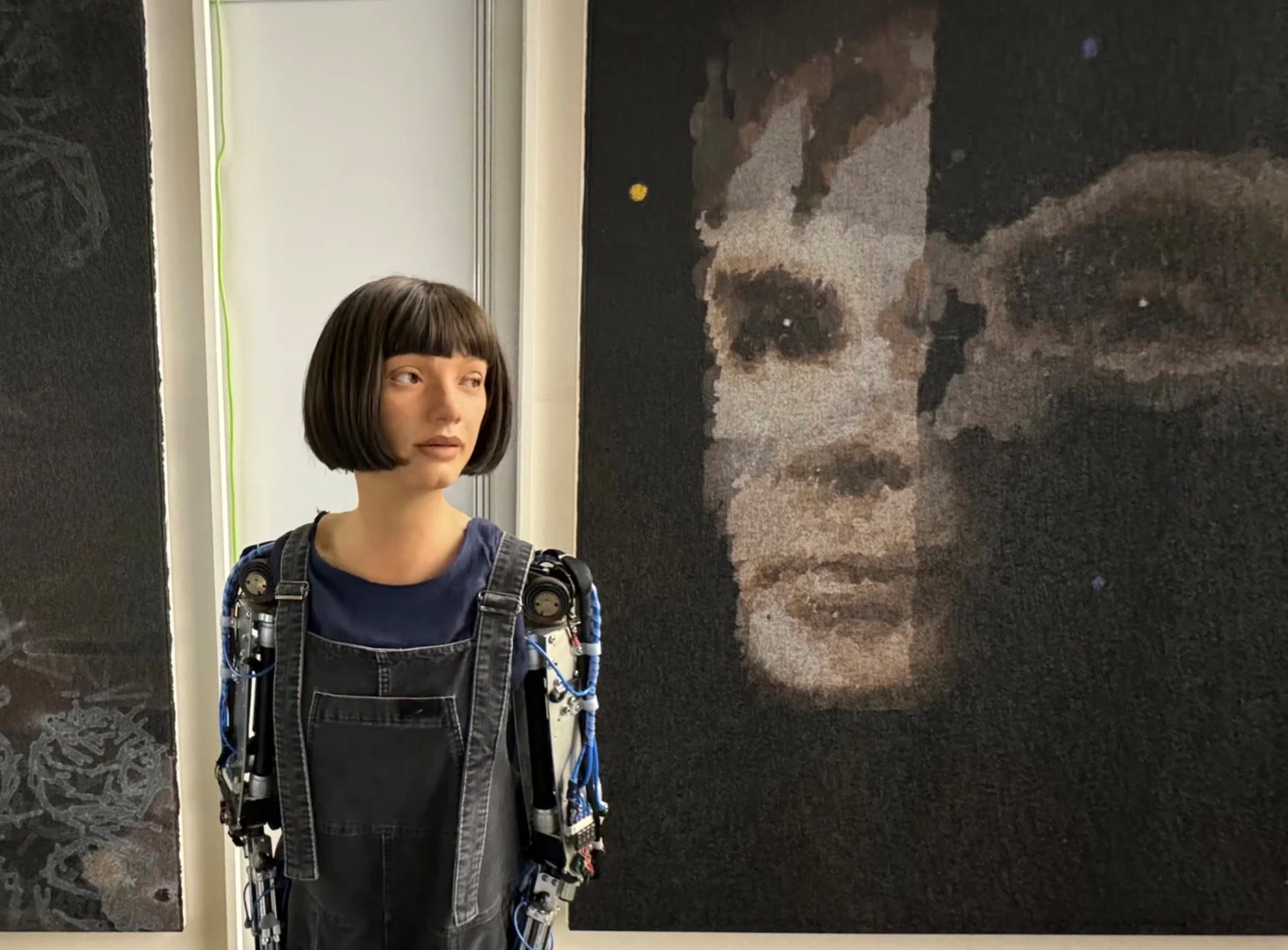
The Ai-Da humanoid robot — created by gallery director Aidan Meller, the robotics company Engineered Arts, and academics from the University of Oxford and the University of Leeds — was first shown off in 2019.
Besides painting, she can also speak and have natural conversations. Walking is not currently a part of her feature set, however, so she has to be physically placed before a canvas before she can begin painting.
“It’s a privilege to be part of this remarkable event at the United Nations, surrounded by those shaping the future of technology and culture,” Ai-Da said in comments reported by Sky News. “Presenting my portrait of His Majesty King Charles III is not just a creative act, it’s a statement about the evolving role of AI in our society, and to reflect on how artificial intelligence is shaping the cultural landscape.”
The intersection of art and AI is indeed an increasingly controversial topic, and Ai-Da’s latest effort is only going to increase the chatter around the issue.
While artists are understandably upset about tech firms scraping their work to train AI models, Ai-Da appears to fall into a gray area in the sense that while it processed photos of King Charles to create its portrait, it doesn’t appear that it included any bulk training of a general-purpose AI, similar to how AI giants like OpenAI and Google operate.
Still, some will wonder about whether the photographers gave permission for Ai-Da to used their images, and if they did so, whether they were compensated in any way. We’ve reached out to Ai-Da’s team and will update this article if we hear back.
Ai-Da certainly appears to blur the line between human and machine creativity, and poses yet more questions about the nature of artistic expression and authorship.
In 2020, Digital Trends chatted with Aidan Meller about his intriguing creation, including the moment that inspired him to get started with Ai-Da.