Nvidia and MediaTek have reportedly postponed the launch of their ambitious AI PC platform, codenamed N1X, to the first quarter of 2026.
According to a report from DigiTimes, the reason for the delay has been attributed by a mix of industry-level and technical hurdles, including Microsoft’s delayed operating system roadmap, critical chip revisions on Nvidia’s end, and weakening demand in the global notebook market.
While delays in the tech world are rarely celebrated, this one may possibly be a healthier and refined future for AI PCs.
Originally slated for a Q3 2025 release, the N1X platform was expected to debut in both commercial and high-end consumer devices. Yet its absence from the Computex 2025 showcase raised some concerns.
Industry insiders now point to three main factors behind the hold-up. First, Microsoft’s upcoming Windows release, further optimized for Arm and AI workloads, is reportedly behind schedule creating a software bottleneck.
Second, Nvidia is said to have uncovered issues in the initial silicon that required a significant redesign.
And third, broader economic conditions, including weaker-than-expected notebook sales and a cautious enterprise spending environment, have pushed both companies to re-evaluate the platform’s timing and market strategy.
Change in strategies
The N1X launch is now being repositioned with a greater emphasis on the commercial sector, with Dell, HP, Lenovo, and other OEMs expected to lead the rollout in early 2026.
Analysts suggest that the enterprise segment is better positioned to adopt AI-enhanced systems in the short term, given ongoing IT refresh cycles and the growing demand for on-device AI in business applications. This pivot is also a way to avoid launching into a volatile consumer market, where purchasing behavior remains unpredictable and value perception around AI PCs is still at an early stage.
In strategic terms, the Nvidia–MediaTek partnership is deeper than just a one-off product. The two companies have been collaborating across several AI domains in recent years.
In automotive, MediaTek’s Dimensity Auto cockpit platform now integrates Nvidia RTX GPUs for advanced in-vehicle graphics and compute tasks. On the edge AI front, Nvidia’s TAO toolkit works alongside MediaTek’s NeuroPilot SDK, streamlining model training and deployment.
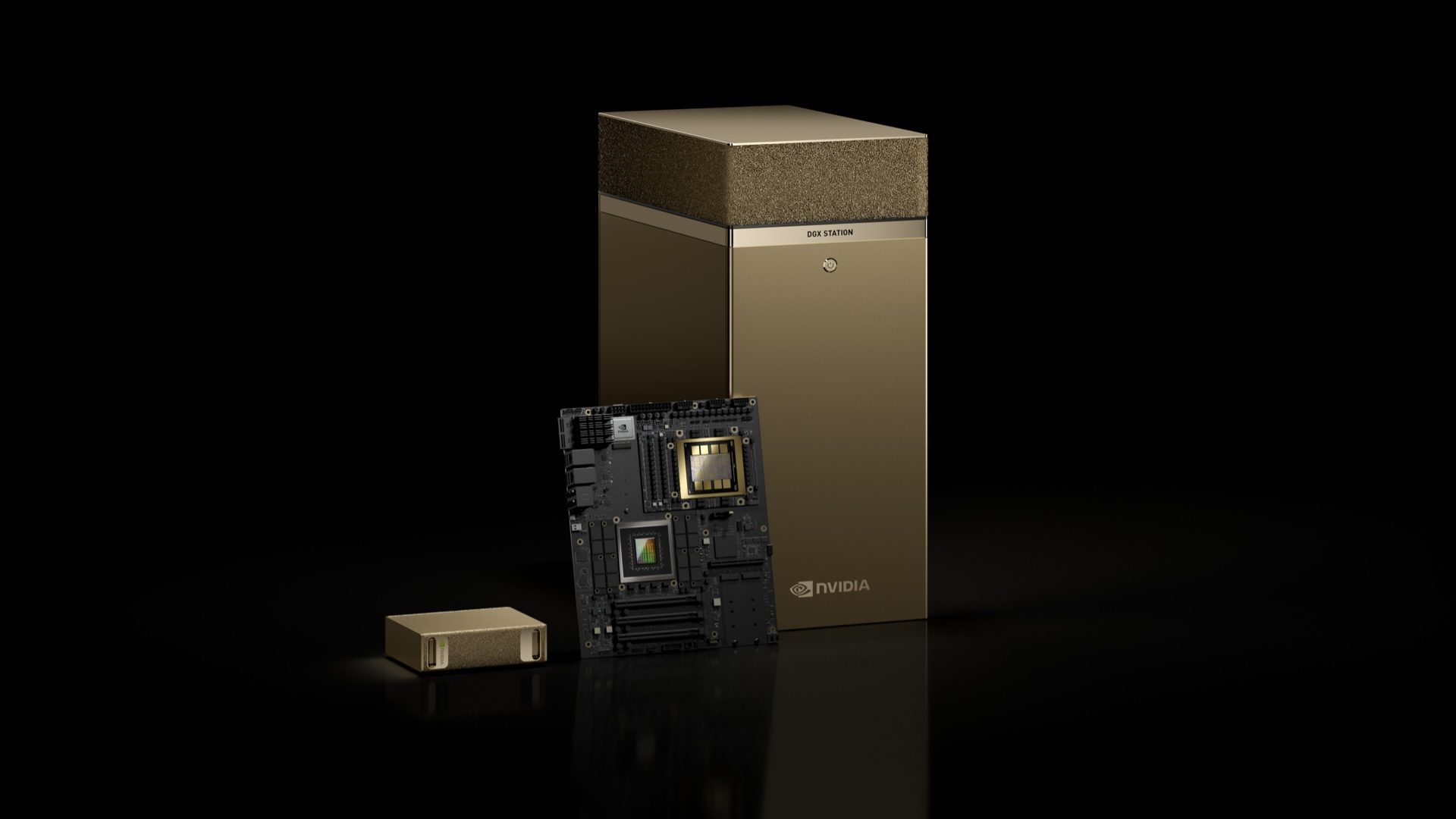
They’ve also co-developed a personal AI supercomputer called DGX Spark, and MediaTek is among the first to adopt Nvidia’s NVLink Fusion ecosystem, an interconnect platform that enables custom AI silicon design for data centers.
While a delay in a major launch can be frustrating, the benefits of patience in this case are compelling. First and foremost, it allows for better integration between hardware and software. Nvidia can use the extra time to finalize its chip redesign and iron out driver and compatibility issues, while Microsoft can ensure that its next-generation Windows OS is ready to make the most of the hardware.
In short, it reduces the risk of launching a product that looks exciting on paper but fails to deliver a meaningful experience to users.
A worthy challenger
Beyond polish, the delay also opens the door for more healthy competition. With Qualcomm, AMD, Intel, and Apple all expanding their AI-capable chip portfolios, a later arrival for N1X allows Nvidia and MediaTek to better assess the market landscape and position their offering more competitively.
This could translate into more choices for consumers, improved performance per dollar, and less pressure on OEMs to rush half-baked devices to market. This was particularly the case when Intel jumped onto the AI bandwagon when it launched its Meteor Lake lineup. By 2026, the AI PC market is projected to be far more mature, and the extra development time may ensure the N1X platform enters a space that’s ready to support its potential.
Perhaps most intriguing is what this delay hints at for the future of Arm-based computing. Rumors suggest Nvidia could potentially be planning to pair N1X with its own discrete GPU technologies for future high-performance laptops, potentially even targeting gaming workloads.
If successful, it could mark the beginning of a true Arm-based gaming CPU capable of challenging x86 incumbents from Intel and AMD. While those ambitions are still speculative, the technical groundwork and strategic intent are clearly being laid.
Ultimately, the Nvidia–MediaTek delay isn’t just a missed deadline but a recalibration. It reflects how complex the transition to AI-first computing really is, and it highlights the importance of aligning hardware, software, and market readiness. In this case, more time could mean better value, stronger adoption, and a more meaningful leap forward for AI PCs.
For consumers, developers, and the industry at large, it’s an outcome that is worth waiting for.