

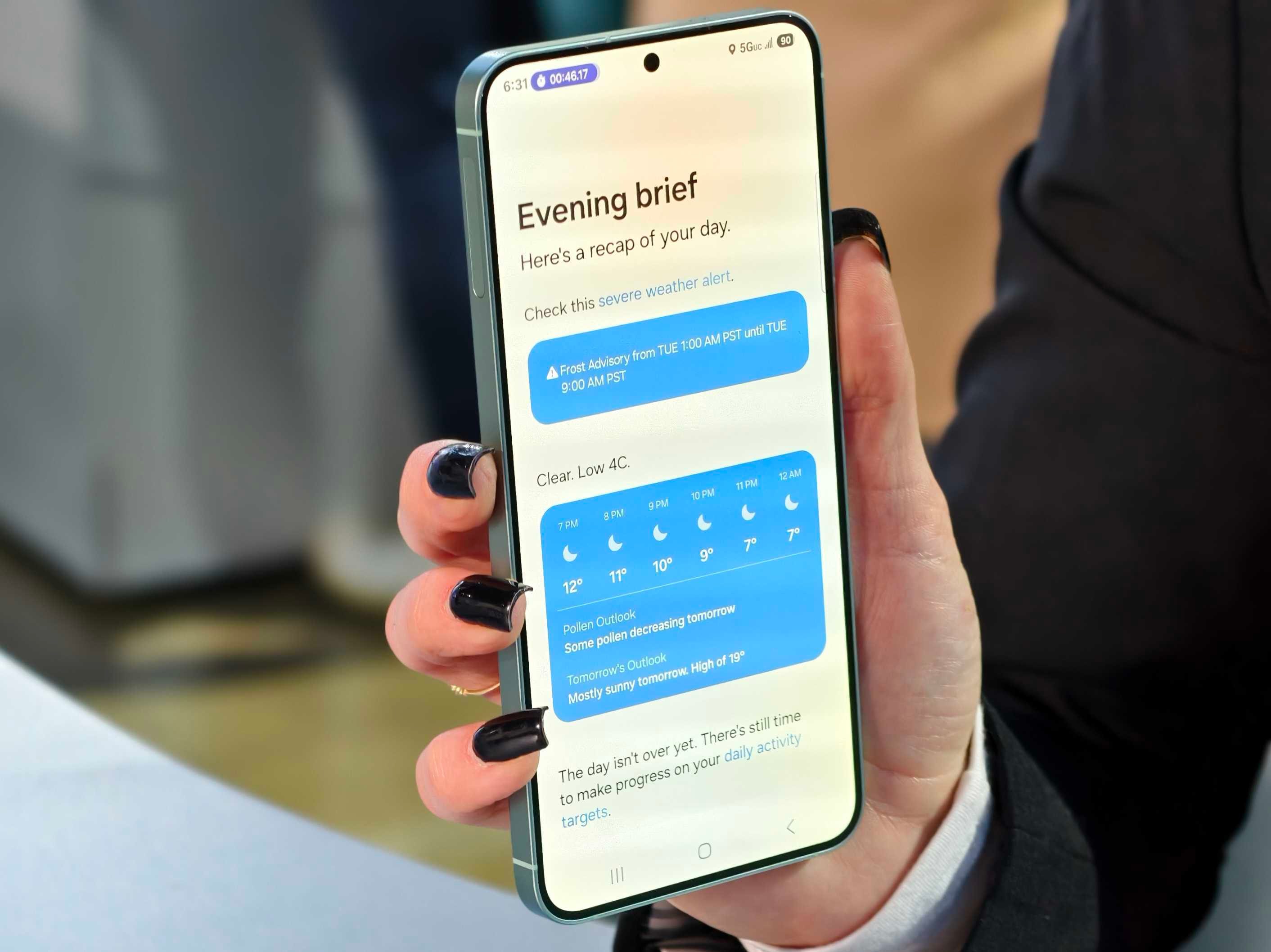
Samsung was one of the first smartphone makers to go all-in with AI, thanks to the Galaxy AI stack. The Galaxy flagships didn’t only ship the usual Gemini features, but also delivered their own unique AI experiences with tools like Now Bar, Now Brief, and Interpreter, among others.
The company has no plans of stopping there. On the contrary, Samsung is eyeing deals with more AI companies to serve their AI tools atop Galaxy smartphones — at the cost of stealing some spotlight away from Google’s Gemini. According to a report by Bloomberg, Perplexity and ChatGPT-maker OpenAI are two of those potential candidates.
Why does this matter?

“We are talking to multiple vendors. As long as these AI agents are competitive and can provide the best user experiences, we are open to any AI agent out there,” Won-joon Choi, Chief Operating Officer (COO) of Samsung’s MX Business, was quoted as saying. The shift is pretty interesting and something that is going to worry Google for multiple reasons.
As part of the Justice Department’s antitrust case, it was reported that Google was paying an “enormous” sum to Samsung. The fee was paid as a revenue share for onboarding paid subscribers, and also on a monthly basis for each Galaxy device that came pre-installed with the Gemini app.
Interestingly, Samsung was also approached by other companies with similar offers, a list that includes names such as Meta, Microsoft, and OpenAI. How soon Samsung phones integrate AI products from other companies remains to be seen, but it would certainly be a big blow to Google.
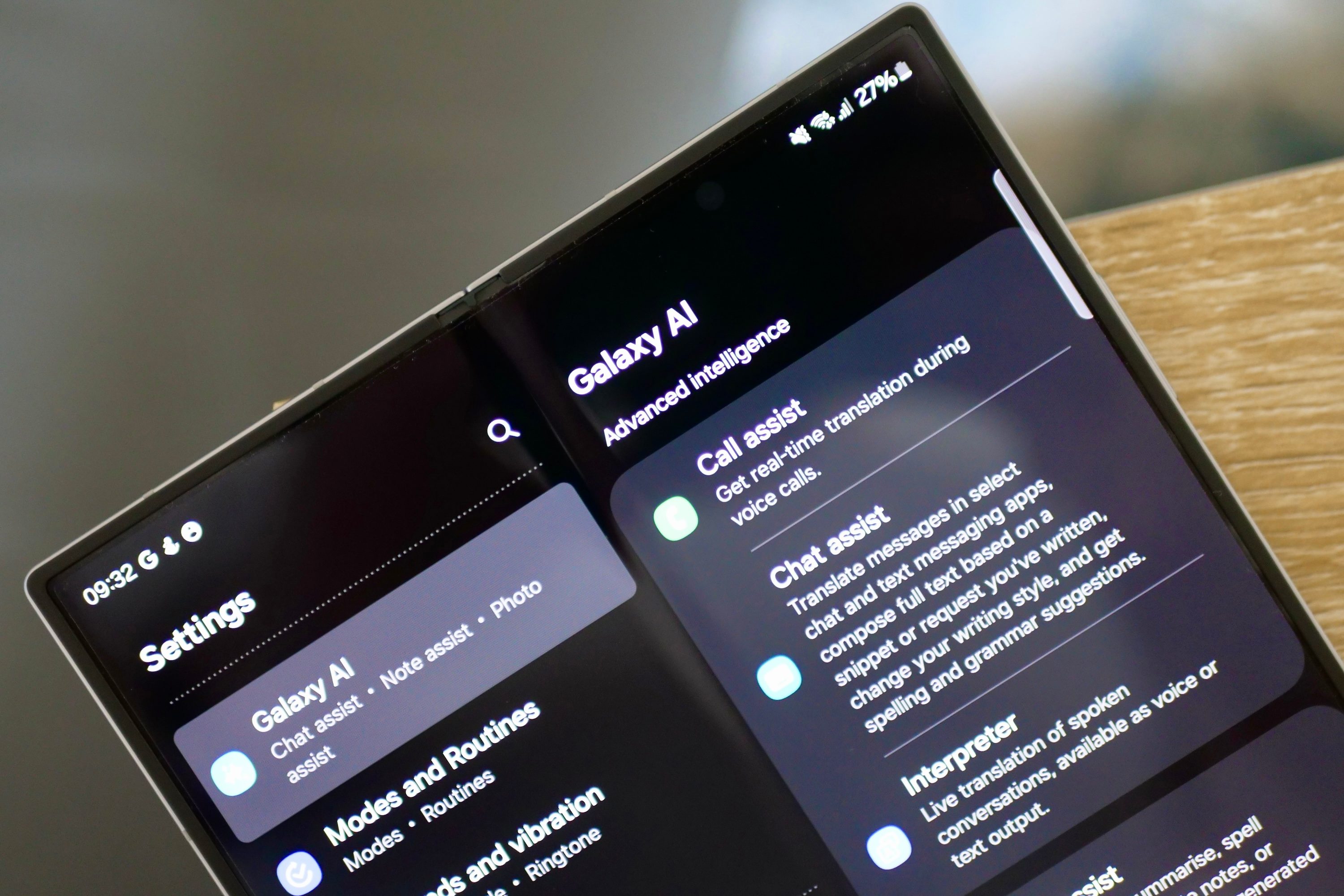
Over the past few years, Google executives have appeared on the launch stage for flagship Samsung devices. Moreover, as recently as its I/O event in May, Google heavily showcased Samsung’s phones to reveal its upcoming Android and AI features. Samsung’s status as the biggest name in the smartphone world is definitely a key part of the equation here.
What’s next for Google and Gemini?
Google’s Pixel phones are the best showcase of what AI (read: Gemini) can accomplish on a phone. But Google’s smartphones are nowhere near as popular in terms of market reception and sales volumes are Samsung’s Galaxy phones. That’s why finding a prominent place for Gemini on Galaxy phones was such a big deal.
But the challenge has already started right in the Android ecosystem. Perplexity, which offers a product that aims to compete with Google Search and Gemini, inked a deal with Nothing last year to offer its Pro subscription for free. Earlier this year, another deal with Motorola ensured that Perplexity would come pre-installed on Motorola devices.
The company has also revealed that its AI-focused browser called Comet will soon land on Apple and Android smartphones. Perplexity was also rumored to be on Apple’s potential list of partners as the company struggles to push Siri in the same league as ChatGPT and Gemini.
As a stopgap solution, Apple inked a deal with OpenAI that allows Siri to seamlessly work with ChatGPT for advanced queries. With Samsung also exploring rival AI products for Galaxy smartphones, it would be interesting to see how aggressive Google gets at pushing Gemini on mobile devices.


