1. Home
  2. Computing
  3. News

Asus reveals RTX 50 series GPU power specs for 2025 ROG and TUF gaming laptops

Asus is the first to publish full TGP specs for its lineup of gaming laptops powered by RTX 50 series mobile GPUs

Add as a preferred source on Google
Asus Strix SCAR 18 2025 front angled view showing display and keyboard.
Mark Coppock / Digital Trends

Asus has published the complete GPU power specifications for its 2025 ROG and TUF gaming laptops, offering clarity on the exact TGP (Total Graphics Power) configurations for the latest Nvidia RTX 50 series mobile GPUs

This move provides much-needed transparency for consumers, who often struggle to determine GPU wattages due to inconsistent or hidden specs across the laptop industry. The detailed list, available on Asus’ official website, covers all RTX 50-series mobile GPUs across a wide range of gaming laptop models.

RTX 5090 Mobile: 100W – 175W

RTX 5080 Mobile: 100W – 175W

RTX 5070 Ti Mobile: 100W – 175W

RTX 5070 Mobile: 75W – 115W

RTX 5060 Mobile: 75W – 115W

RTX 5050 Mobile: 75W – 115W

Recommended Videos

According to the company, all 2025 ROG Strix Scar laptops equipped with the RTX 5090, RTX 5080, and RTX 5070 Ti will be capable of running these GPUs at their maximum TGPs. On the other hand, the TUF Gaming models like the TUF A18 and TUF A16 will feature slightly more conservative configurations, with the RTX 5070 and the RTX 5060 at up to 115W.

The slimmer Zephyrus G14, known for its ultraportable design, will offer the RTX 5080 and RTX 5070 Ti at 120W, while the rest of the GPUs will be capped at 100W. This reflects the thermal and power constraints of its thin chassis.

Asus has shared these power figures model-by-model to give buyers a clearer idea of the performance they can expect. For instance, the ROG Strix Scar 18 with the RTX 5080 runs the chip at 175W, while the Zephyrus G14 caps the RTX 5080 at 120W to maintain thermals. While both laptops offer the same GPU, the difference in power would result in a significant difference in terms of performance. 

This public disclosure comes in response to growing consumer demand for transparency in GPU power ratings. Since Nvidia’s 30- and 40-series mobile GPUs began allowing a wide TGP range with no strict branding distinction, buyers have had to rely on third-party reviews or hidden spec sheets to know what level of performance to expect. 

By sharing this information upfront, Asus seems to be giving buyers the tools to make informed decisions, especially as GPU power limits can significantly impact gaming performance, cooling, and battery life.

Kunal Khullar
Kunal Khullar is a computing writer at Digital Trends who contributes to various topics, including CPUs, GPUs, monitors, and…
Gemini Notebook’s new Collections arrive just as Google turns it into a bigger workspace
Google is cleaning up notebook organization as the former NotebookLM expands across Gemini and Search
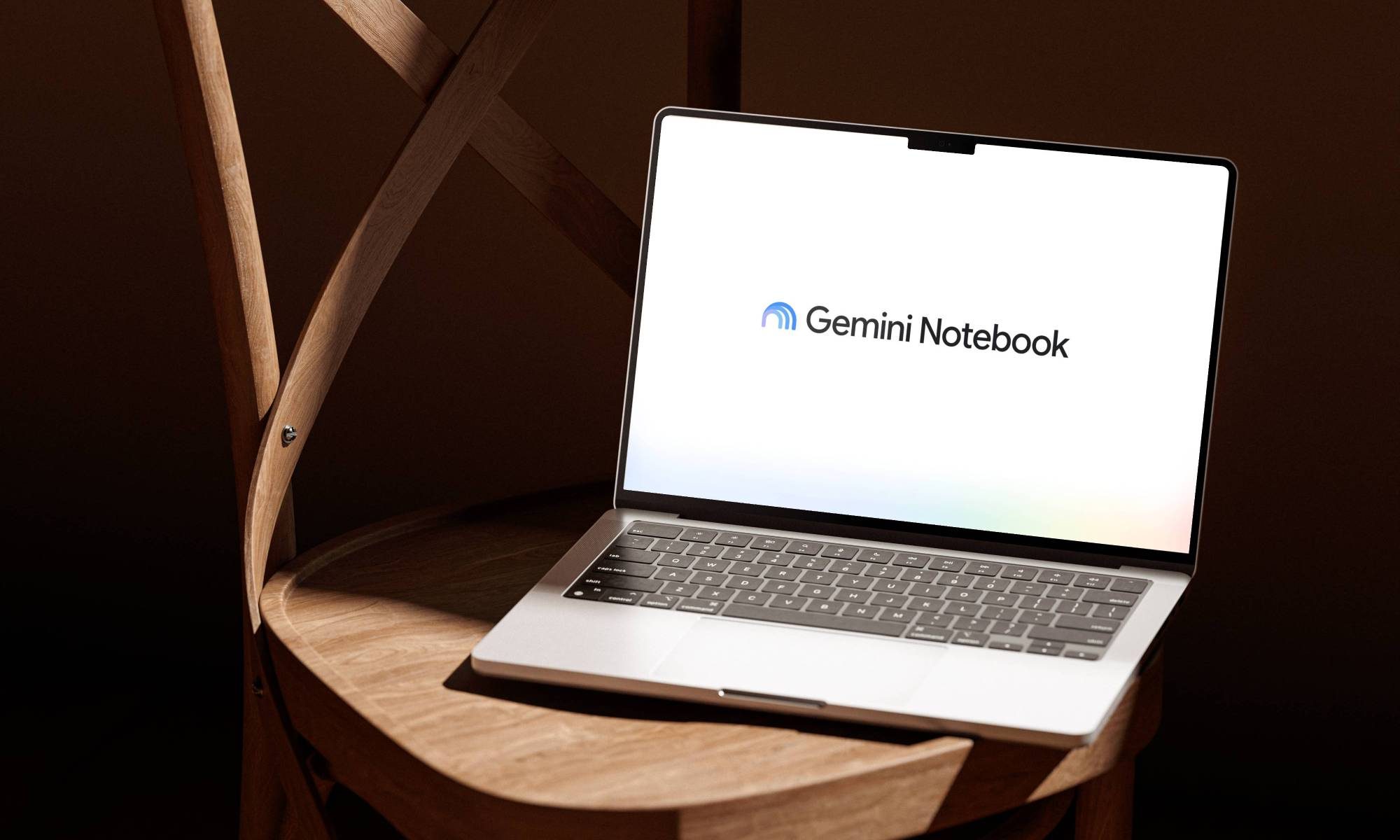
Gemini Notebook branding on a MacBook

Google has barely finished renaming NotebookLM, and it’s already addressing one of the headaches that comes with building a large research library.

Collections are rolling out to all Gemini Notebook users, giving them a way to group related notebooks while keeping everything visible under My Notebooks. The dashboard gets some structure without asking users to rearrange the library they’ve already built.

Read more
Samsung’s humanoid robot ambitions are real, but factories come first
Samsung’s new robotics division has humanoids in its sights, although its immediate business is far more practical factory automation
Robot Touch Human Finger

Samsung wants a place in the humanoid race, but its new robotics push begins with machines built for factories rather than homes.

The CEO-led RX robotics division will initially focus on manufacturing robots. Samsung has separately identified humanoids as a priority, although it hasn’t announced a commercial model or explained where one fits into the division’s immediate plans.

Read more
WhatsApp’s Liquid Glass redesign is finally coming to Mac after months of waiting
WhatsApp's Mac app is getting Apple's Liquid Glass-inspired makeover
WhatsApp

WhatsApp has been steadily adopting Apple's new design language across its apps, but Mac users have largely been left watching from the sidelines. That is finally beginning to change.

The messaging platform has started rolling out its Liquid Glass redesign for the WhatsApp Mac app, bringing the desktop experience much closer to what iPhone and iPad users have been seeing over the past few months. The update introduces a refreshed interface with redesigned navigation elements, updated menus, and a cleaner layout that aligns with Apple's latest software aesthetic. According to WABetaInfo, the rollout has begun through the latest Mac App Store update and is currently reaching a limited number of users.

Read more