  1. Home
  2. Computing
  3. Legacy Archives

25 Raspberry Pis power computer lab in underdeveloped African village

Add as a preferred source on Google
cameroon-pi
Image used with permission by copyright holder

It makes sense to use a computer that costs as little as $25 to further the education of children in underdeveloped regions, so when the Raspberry Pi Foundation posted a story about bringing the Pi to Africa, we weren’t surprised. According to Geert Maertens, the representative of a volunteer group funding a secondary school in Cameroon, 25 Raspberry Pi units now serve as the heart of the school’s new computer lab. 

The town where the school (St. Marcellin Comprehensive College) is being built (construction isn’t quite done yet) is very small and is located in a “relatively poor region of the country, with no reliable water and electricity supply,” Maertens writes. In order to build a computer lab for the new educational institution, the volunteer group packed 30 Pis in suitcases along with HDMI to VGA converters and traveled with them all to the Central African country. Five of the tiny computers aren’t in active use and probably serve as backup. While the hard drives, switches, and router were imported from Europe, the volunteer organization got the screens, keyboards, and mice to complete the setups within Cameroon. The result is a no-frills, fully functional computer lab where students can learn about the basics of how to work with an office suite via the freeware, LibreOffice

Recommended Videos

Since the school is located in an area with no reliable electricity, all the computers are powered by a generator. There’s no working Internet connection in the town either, so while the computers are connected to a network and the network is connected to a router, it’s going to be a while before the students can browse the Web on their Pi-powered setups. For now, the volunteer group’s goal is for the students to start learning programming via their new computers.

Check out a video of the school with its Raspberry Pi computer lab below.

(Image credit: Raspberry Pi Foundation)

Mariella Moon
Mariella loves working on both helpful and awe-inspiring science and technology stories. When she's not at her desk writing…
AI wants to summarize it all. TripAdvisor’s misleading reviews show AI will also ruin your travel plans
Spotless, friendly, and totally wrong. AI summaries are hiding the reviews that actually matter.
Tripadvisor logo on MacBook

Planning a trip is stressful enough without wondering if the glowing hotel summary you just read was written by an AI that skipped the scary parts. As it turns out, that might be exactly what's happening on TripAdvisor.

According to an investigation by consumer group Which?, reported by the Guardian, TripAdvisor's AI-generated review summaries are smoothing over serious guest complaints, and in some cases, downright dangerous ones.

Read more
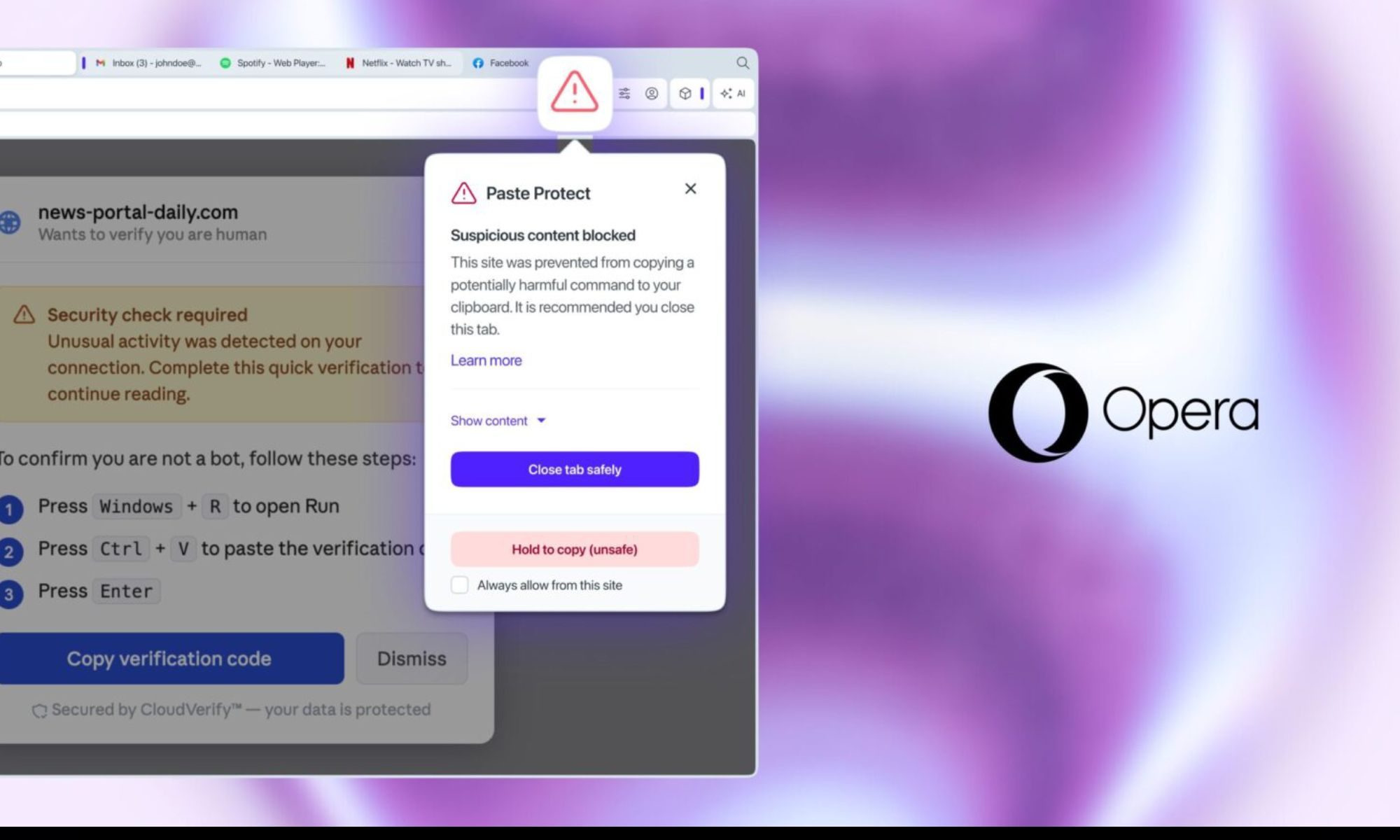
Opera’s new Paste Protect feature stops the clipboard attack your antivirus can’t catch
ClickFix attacks trick you into compromising your own device, and no major browser had a native defense against them until now.
Opera Paste Protect featured

Most online scams are easy enough to spot once you know what to look for. Fake login pages, suspicious attachments, or urgent wire transfer requests are dead giveaways. But ClickFix doesn't look like any of them. It presents itself as a solution, and it asks you to do something so routine that few people think twice about it.

The technique was behind more than 53 percent of malware loader incidents last year, according to cybersecurity firm Huntress, and no major browser had a native defense against it until now. Opera is fixing that with a new feature called Paste Protect.

Read more
Apple’s M6 chip isn’t even here yet, but you’ll see M7 Macs early in 2027
Apple is reportedly already accelerating its next-generation silicon roadmap, even before the M6 has launched.
Apple MacBook

The M6 chip is still expected to debut later this year, but Apple may already be preparing for what comes next. According to Mark Gurman's latest report for Bloomberg, the company is aiming to introduce its first M7-powered devices as early as the first half of 2027, hinting at a much faster silicon refresh than many expected.

M7 could arrive alongside new Macs and iPads

Read more