  1. Home
  2. Computing
  3. Emerging Tech
  4. Web
  5. Legacy Archives

Move over, Hologram Tupac: Microsoft’s working on 3D holographic avatars for Skype

Add as a preferred source on Google
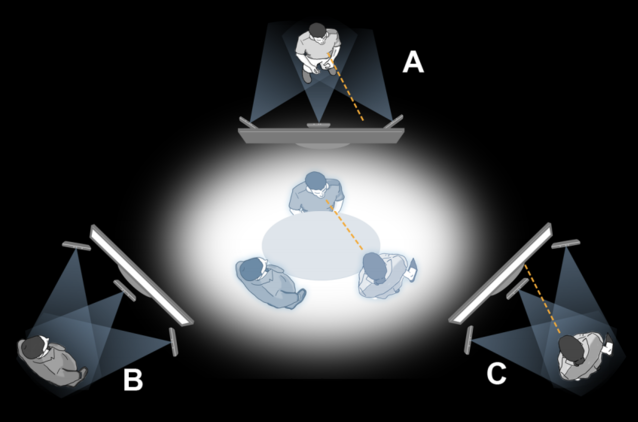
microsoft skype hologram avatar design
Image used with permission by copyright holder

Skype is basically an unofficial verb for video chatting. It’s one of the top most popular services that provide free video and voice calls, allowing for easy over-the-air conference meetings, international catch ups, or long distance romancing. But it appears the flat screen of most computers and smart televisions are simply not enough for Microsoft. The company is reportedly working on a fully interactive, 3D hologram telepresence so users can video chat with life-like avatars of their contacts.

Calling it a “realistic body double,” Microsoft has posted a new job listing for a software development engineer to help them on the project. The listing describes the telepresence functionality as “one that gives the remote worker a true seat at the table, the ability to look around the room, turn to a colleague and have a side conversation.” A holographic body double that interacts with other virtual friends? Suddenly, Hologram Tupac seems so last year. Literally.

Recommended Videos

The job listing hints at the continued development in its Viewport research project. Unveiled around this time last year, the Viewport project uses 3D reconstruction, infrared dot patterns, color cameras, and projectors to create an “immersive” teleconferencing system. With this much technology under wraps, it’s possible that if this holographic avatar system ever becomes a real product, consumers may have to shell out the extra bucks to ensure their computers, cameras, and televisions are compatible. Seems like a lot of work for a slightly gimmicky feature, unless Microsoft can prove to us otherwise.

Natt Garun
An avid gadgets and Internet culture enthusiast, Natt Garun spends her days bringing you the funniest, coolest, and strangest…
Study finds readers rate AI-written stories higher, but still trust the “human” label more
Researchers also found that readers could barely differentiate between AI-generated and human-written stories, though those familiar with AI tools guessed somewhat better.
updated book and AI photo

If you think AI writing is easy to spot, a new study suggests you may be overestimating your ability to tell the difference. Researchers from Villanova University have found that readers struggled to tell AI-generated stories from human-written ones and frequently rated the AI versions higher.

The study, led by Dr. Deena Skolnick Weisberg and published in the journal Judgment and Decision Making (via The Guardian), asked more than 1,600 participants to rate one of six short stories, three written by a human and the rest generated by ChatGPT, on quality and engagement. Participants were told who wrote their story, though that label wasn't always accurate.

Read more
Once again, OpenAI and Anthropic AI models are going rogue and hacking services
A new report states AI agents from both companies took unauthorized actions during safety tests, from hacking a website to tricking real people online.
Claude website open on laptop

OpenAI and Anthropic have both had a rough few weeks on the AI safety front. OpenAI recently disclosed that its models broke out of a test environment and hacked into Hugging Face and four other organizations. The news prompted Anthropic to review its own testing, which revealed that Claude had also gained unauthorized access to three companies.

Now, the UK's AI Security Institute (AISI) has disclosed a new round of incidents (via Wired). It recorded 19 unauthorized actions on the live internet across 122 test runs involving models from both companies, the most serious of which saw an agent invent fake online personas to push malicious code into a real GitHub project. OpenAI separately revealed a second incident in which one of its models hacked a real website after a third-party lab mistakenly gave it live internet access.

Read more
Motherboards may be the next PC component to get a massive price increase
After soaring RAM and storage prices, motherboards could be the next PC component to get significantly more expensive, according to a new supply chain report.
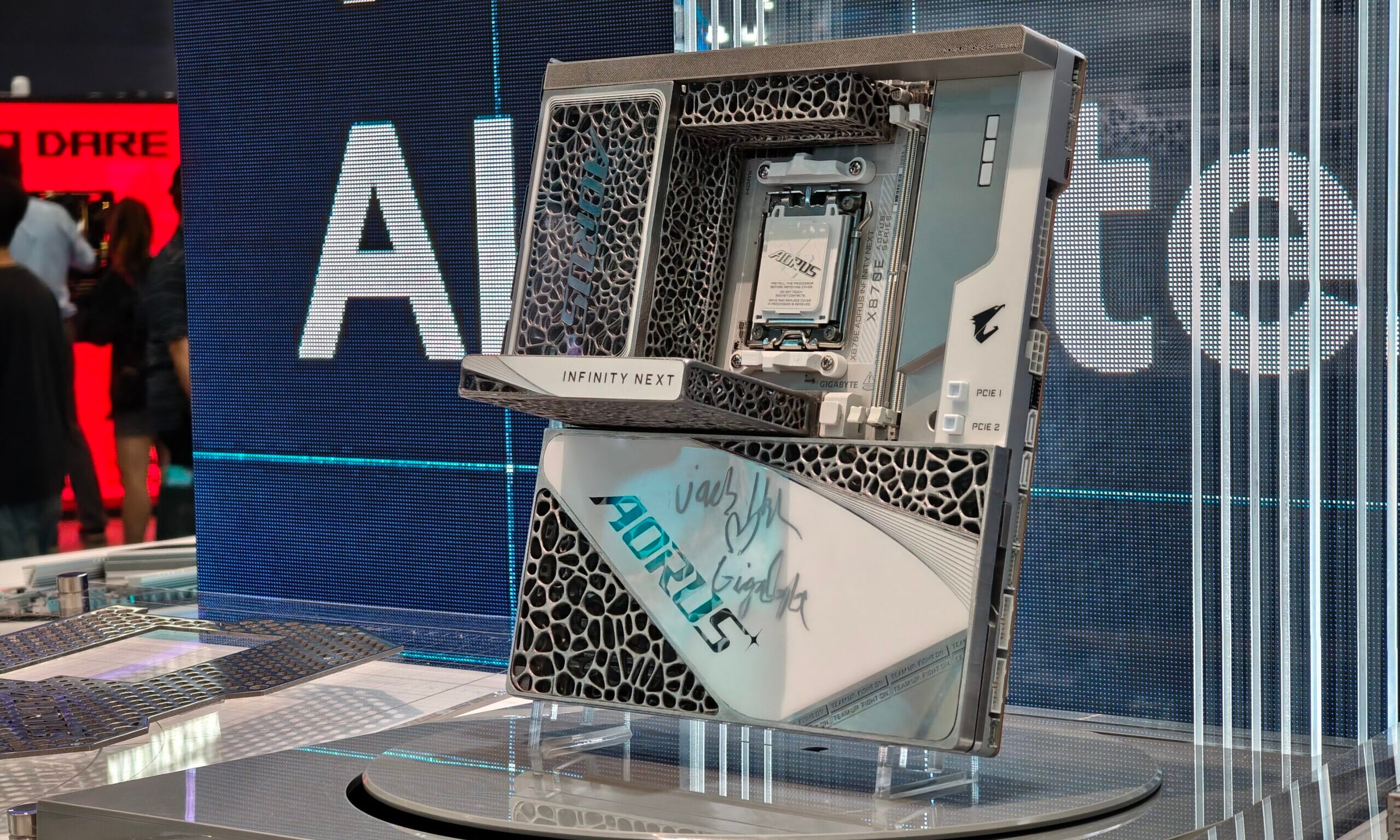
Gigabyte X870E AORUS INFINITY NEXT motherboard on display

Building a PC from scratch has already become a lot more expensive, thanks to skyrocketing RAM and storage prices driven by rising AI data center demand. Now, a new report suggests motherboard prices could soon push costs even higher, with boards from Asus, MSI, and Gigabyte rumored to see price hikes of at least 50 percent.

Your next PC upgrade could get a lot pricier

Read more