Although Computex is now officially in full-swing, it isn’t the only tech-related event that’s going on this week. New Orleans is currently playing host to Microsoft’s annual TechEd conference, and we’re starting to receive word of some interesting developments from the yearly event. One such development is Microsoft’s increased interest in biometrics. According to the The Verge, developers stated that Windows 8.1 would be receiving integrated “fingerprint scanning” support to allow individuals to use “one touch” security instead of password-protecting their files and logins.
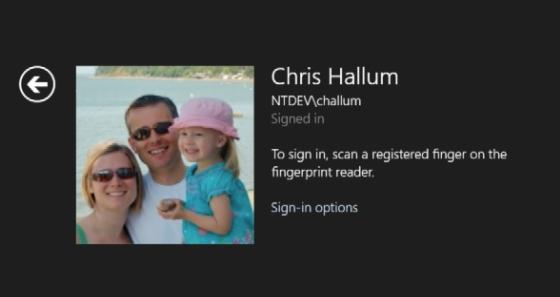 This isn’t the first time that Windows has allowed for biometrics, but it is the first time that Microsoft is integrating its own version of a fingerprint scanning tool into its popular OS. Prior to this news, the only way to get a working biometrics scanner into your Windows machine was to make use of third-party drivers and applications. These programs were pretty limited in what they could do, and usually they were only useful for logging into a machine via the accounts page on start up. This new Windows 8.1 tie-in promises to do more.
According to Michael Niehaus, a senior product marketing manager at Microsoft, aside from the normal log in procedure, Microsoft says users will be able to lock down specific folders with a simple swipe of their finger. “We’re also working with this so that you can actually take folders and say this folder requires fingerprint access to get into, so different levels that we’re looking at,” Niehaus said at the Tech-Ed session yesterday. Of course, you will still need a fingerprint reader, but Microsoft is working with OEMs to bring finger print readers to tablets, laptops, keyboards, and mice.
The focus on fingerprint scanners is designed to make it easier to access Windows 8. “You’ll begin to see these be more pervasively available just to make it that much easier to log in to Windows,” Microsoft’s Stephen Rose told the Verge. There is currently no word on exactly when we can expect to see this new development, but we’re sure we’ll see more fingerprint readers on devices by the end of the year.
Photo via The Verge