1. Home
  2. Cars
  3. Legacy Archives

Toyota reveals full details of its brilliant 420 horsepower Yaris Hybrid R drivetrain

Add as a preferred source on Google

Toyota has officially laid out the details of the forthcoming Yaris Hybrid R Concept, which is set to debut in Frankfurt next month. While we had brought you a cursory outline of the powertrain last week, we now know exactly how it works. And while it’s not too wildly groundbreaking, it’s still pretty darn cool.

First off, the Yaris Hybrid R produces a total of 420 horsepower from the help of 300 horsepower inline four-cylinder 1.6-liter gasoline engine, a super capacitor, and not two but three 60 horsepower electric motors.

Recommended Videos

The Yaris Hybrid R is an all-wheel drive car, just like the standard Yaris Hybrid sold outside the U.S. with one electric motor driving each rear wheel. Where the Hybrid R differentiates itself from the standard Yaris Hybrid is up front with the high-power gas motor and super capacitor.

Toyota Yaris Hybrid-R
Image used with permission by copyright holder

Unlike the nickel-metal hydride battery pack in the Yaris Hybrid, the super capacitor in the Hybrid R allows for rapid recharge and discharge, allowing the Hybrid R to quickly grab kinetic energy during hard braking but also allowing it to ferociously push that energy out to the wheels on full-throttle power.

When the drivetrain puts out too much torque for the front wheels to handle, the third electric motor sandwiched between the 1.6 four and the sequential six-speed gearbox upfront engages and sends the power rearward to the rear wheels. This is sort of like a traditional traction control system but rather than zapping power and limiting throttle, power is instead rerouted for improved acceleration and handling. It’s pretty brilliant.
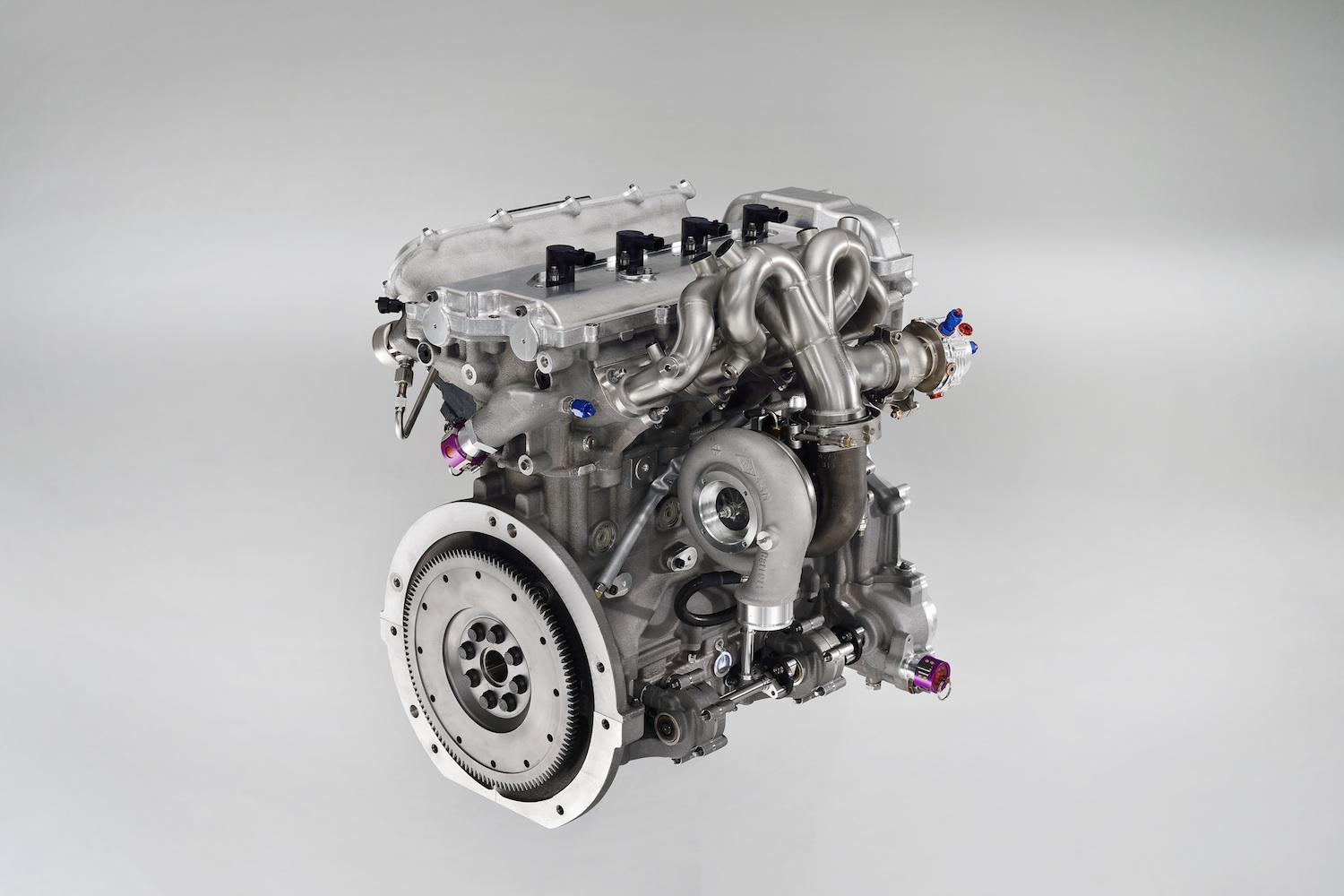
Toyota Hubrid R Engine
Image used with permission by copyright holder

But wait: the brilliance continues. Just like the Mercedes-Benz SLS AMG Electric Drive, the two rear electric motors can be used to create positive or negative torque on demand. This means that not only cornering improves hugely but so does energy regeneration. Slow the inside rear wheel and the car turns more sharply, handles better, and more power is sent to the super capacitor for more full-throttle force after the apex.

Again, the Yaris Hybrid R might not seem like an exciting car but its drivetrain is very, very promising. Remember, we keep hearing rumors of a hybrid-powered Scion FR-S for the future. This very well could be the powertrain that Toyota will fit to it.

Your move, Porsche.

Nick Jaynes
Former Automotive Editor
Nick Jaynes is the Automotive Editor for Digital Trends. He developed a passion for writing about cars working his way…
Topics
Volvo’s purported EX50 could be the budget-friendly plot twist nobody saw coming
Volvo's next electric SUV could shake up the EX lineup with more room and a smaller price tag.
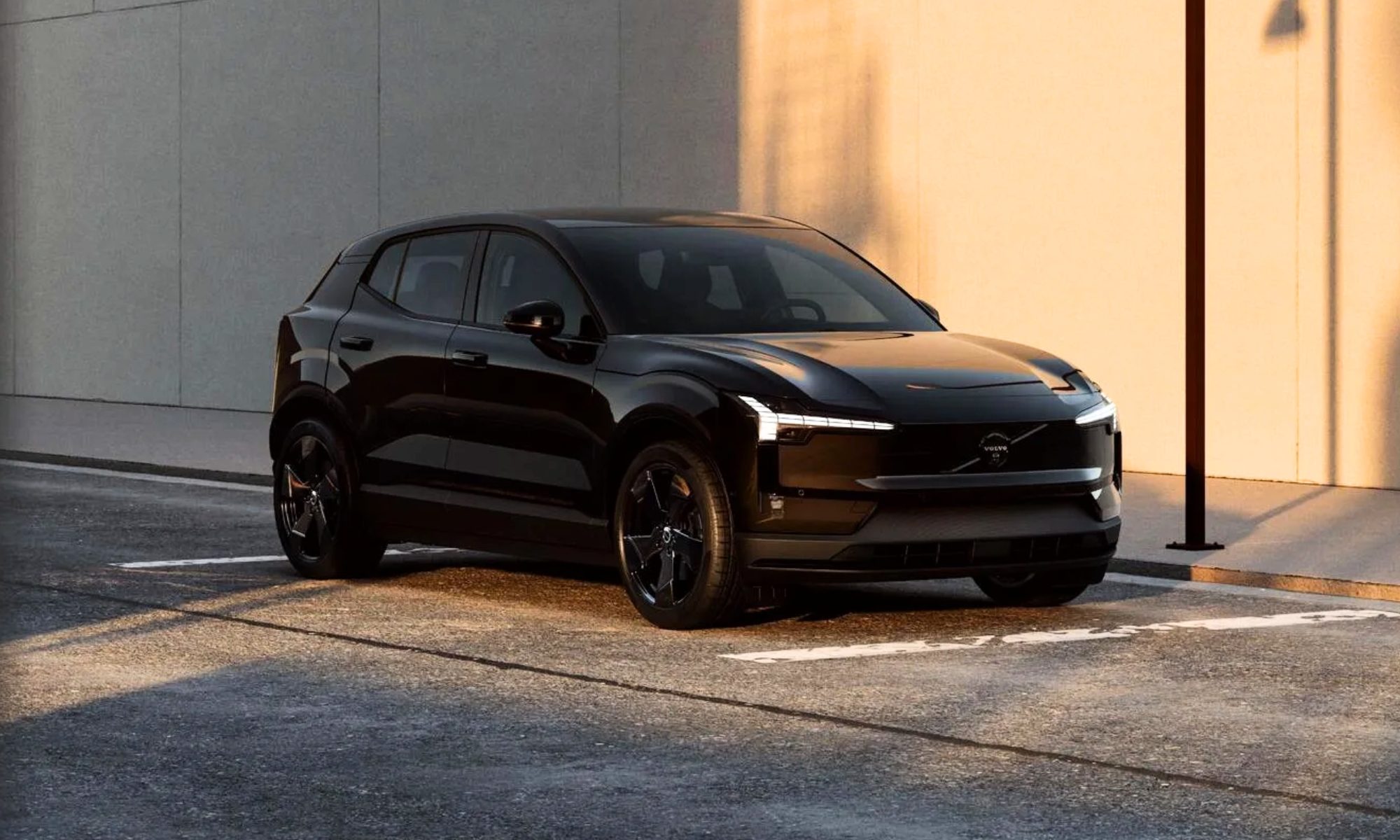
Volvo EX30 front profile.

Volvo’s electric lineup needed a genuinely affordable entry point, and a new report suggests that buyers might actually get one. 

According to a new Automotive News report, Volvo is quietly working on a compact electric crossover, called the EX50. It will be aimed at replacing the dated EX40 in the US sometime in 2027. 

Read more
Xiaomi just launched an SUV with seven seats and a bedroom upstairs
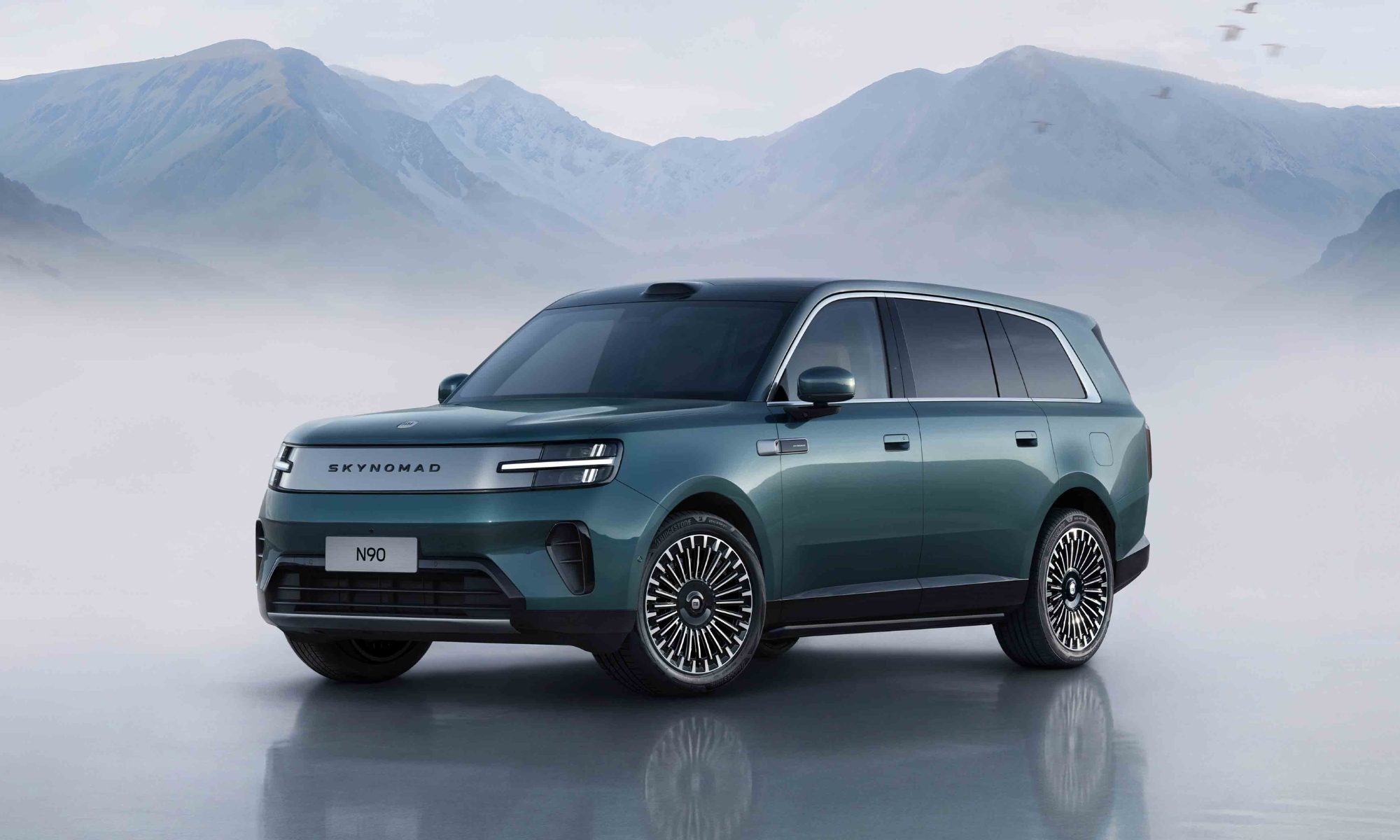
Xiaomi’s SkyNomad SUV could replace your car, office, lounge, and tent
Skynomad

Xiaomi’s new family SUV is basically a house on wheels with enough claimed range to cover more than 1,000 miles. It also costs considerably less than its outlandish feature list might suggest. The company has officially launched the SkyNomad N90 Max in China for 299,900 yuan, equivalent to roughly $44,400 through direct conversion.

Preorders are open now, with the first vehicles expected to reach customers in September. The converted figure provides useful context, though it does not represent pricing outside China. Xiaomi describes the seven-seat flagship as a “house you can move.” This unusually grand pitch starts making sense once you see what happens inside.

Read more
Mazda chief says the MX-5 Miata could go electric
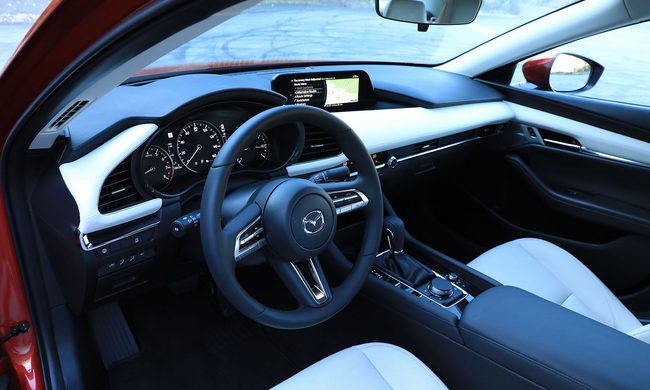
2019 Mazda Mazda3 AWD review

For years, the idea of an electric Mazda MX-5 Miata felt almost impossible. The little roadster has always been celebrated for one thing above everything else: keeping things light. Add a heavy battery pack into the equation, and many enthusiasts assumed the Miata's trademark driving character would disappear along with it.

Mazda, however, appears to have changed its mind. In an interview with German publication auto motor und sport, Mazda CEO Masahiro Moro confirmed that the next-generation MX-5 is being developed with the possibility of an all-electric version in mind. It doesn't mean the iconic roadster is abandoning gasoline anytime soon. Still, it does suggest Mazda wants the Miata to survive in a future where internal combustion engines may no longer be an option.

Read more