1. Home
  2. Cars
  3. Legacy Archives

Bugatti pulls plug on Galibier but could ‘plug in’ a Veyron replacement

Add as a preferred source on Google

We know what you’re thinking. You want a Bentley Mulsanne but it’s a bit too…small. You like the looks of the Bugatti Veyron but it’s a bit too…powerful. You then, sir, were the ideal buyer for the Bugatti Galibier.

I’m afraid I’ve some bad news. The latest Bugatti CEO has scrapped your dream machine. That’s right. Word has come from the Bugatti brass that the highest end of the Volkswagen empire will not be producing the Galibier big-bodied sedan.

Recommended Videos

Just as a refresher, the Galibier was to be the next high-end Bugatti model, positioned for some reason above the Veyron. Built on the Audi platform that underpins what feels like dozens of big sedans, the Galibier was to be powered by the Veyron’s quad-turbo 8.0-liter W16 engine with two of the turbos left on the design floor.

Unlike the 1,000+ horsepower Veyron, the Galibier would only pump out some 800 horses. Smartly, the former Bugatti CEO Wolfgang Dürheimer decided no Bugatti – four-door or otherwise – would sport fewer than 1,000 horsepowers.

Not long after that, though, that Wolfgang was replaced by another Wolfgang. This time, Wolfgang Schreiber would take the helm and scrap the big Bugatti altogether. Believing that Bugatti didn’t have the buyer base to support both a full-size sedan and a hypercar, Schreiber pulled the plug, according to Motor Trend.

Don’t get too disappointed Bugatti fans. Schreiber instead wants to focus on a Veyron replacement.

What might that look like? It’ll surely have that iconic flattened oval grille. What lies behind that distinctive grille, however, is not yet known. I wager it’ll be a hybrid powertrain.

Now that Bugatti’s relatives Porsche and Audi have plug-in hybrid supercars, the Sport quattro concept and the 918 Spyder specifically, it wouldn’t be too surprising to see Bugatti take that technology and run with it.

Bugatti is in the final throes of the Veyron with its Vitesse model run, which it seems to be dragging out as long as possible. So you won’t likely see a Veyron replacement before 2020.

Nick Jaynes
Former Automotive Editor
Nick Jaynes is the Automotive Editor for Digital Trends. He developed a passion for writing about cars working his way…
Two Indian automakers just beat Tesla at the one thing you’d expect it to own
Two Indian automakers, Tata Motors and Mahindra, just topped a global EV efficiency ranking ahead of Tesla and BYD.
Car, Suv, Transportation

I'll admit, Tesla topping an efficiency ranking felt like a foregone conclusion until I actually saw the numbers. Turns out two Indian automakers just embarrassed both Tesla and the world's biggest EV maker at their own game. 

The first time I read the report, I couldn’t believe it, and I’ve been following the Indian automobile industry for a couple of years now.  

Read more
BYD’s new Racco is Japan’s first electric kei car with over 300 km range
The Racco also undercuts Nissan's Sakura on price before taxes and incentives, which packing in features rarely seen in the kei car segment.
BYD Racco

BYD has entered the Japanese kei car market with the Racco, an electric car built specifically for the country's compact car segment. Its top trim delivers 320 km of range, making it the first compact electric car in the market to pass 300 km, according to ITHome.

Kei cars are a Japanese vehicle class with strict size and power limits, and the segment has long been dominated by domestic automakers such as Honda, Nissan, Suzuki, and Daihatsu. The Racco is BYD's first attempt to compete in that space.

Read more
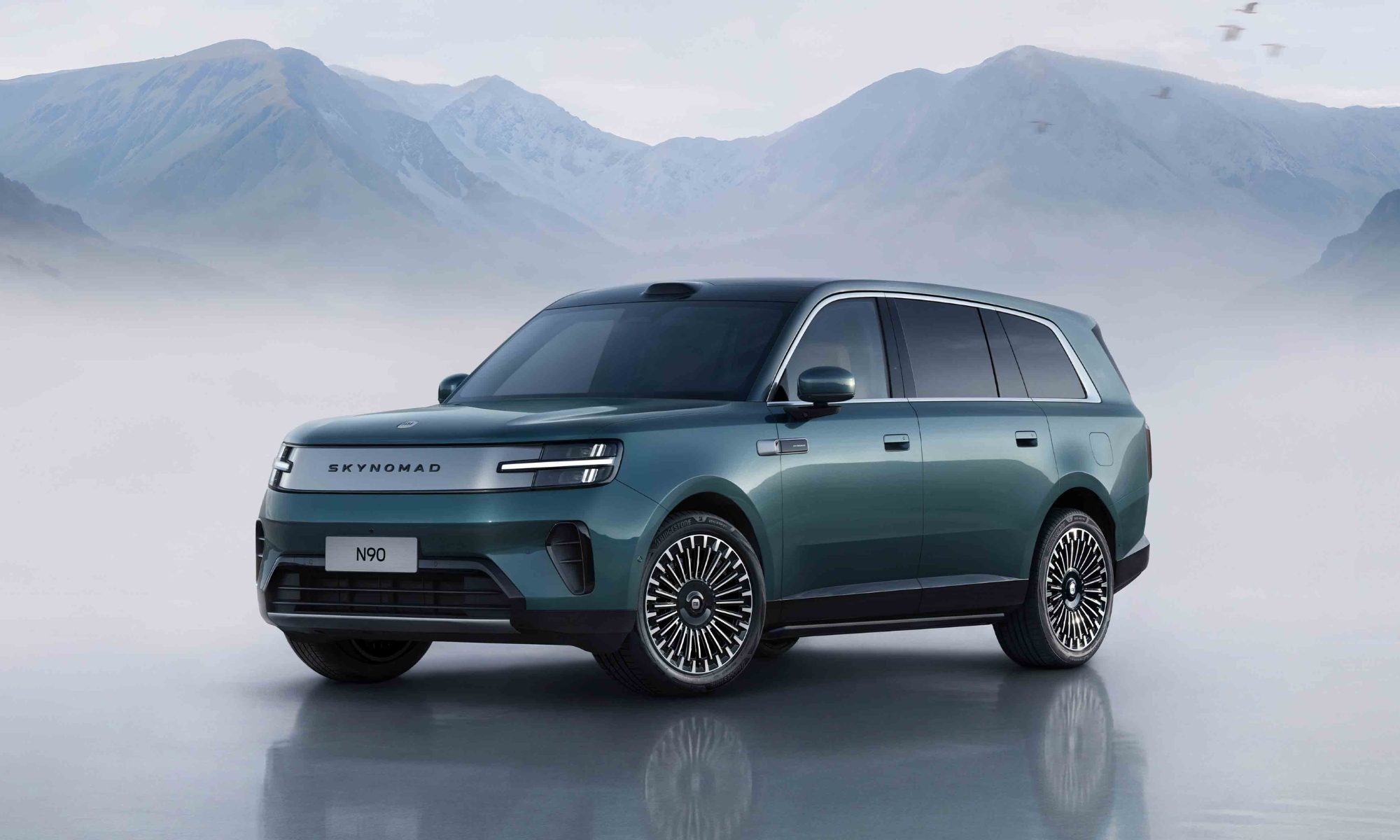
Xiaomi’s sleek seven-seater SkyNomad EREV gets a specs reveal. It’s a template US carmakers must desperately follow
Xiaomi made a sedan first. Now it's coming for your family SUV too.
Skynomad

When Xiaomi entered the automotive industry, it did so with the all-electric SU7 sedan, then expanded into SUVs with the YU7. Its next move is taking the company into one of China's fastest-growing vehicle segments: extended-range electric SUVs (EREVs). Ahead of a technical presentation on July 30, Xiaomi has shared fresh details about its upcoming SkyNomad lineup via its Weibo channel, first spotted by CarNewsChina, revealing the new Kunlun range extender, fuel economy figures and testing progress.

At first glance, the SkyNomad N90's upright silhouette, squared-off proportions and premium detailing inevitably draw comparisons with the Range Rover. But mechanically, Xiaomi appears to be targeting a very different group of rivals. The company is entering a market currently dominated by Chinese brands such as Li Auto and Huawei-backed Aito, both of which have built successful businesses around extended-range SUVs that combine electric driving with the convenience of a gasoline-powered range extender.

Read more