1. Home
  2. Computing
  3. News

Meta’s new Ray-Ban and Oakley glasses get fresh style and 2x battery life

More battery, better video capture, and improved audio relay are the highlight additions.

Add as a preferred source on Google
Ray-Ban Meta (Gen 2) in black.
Meta

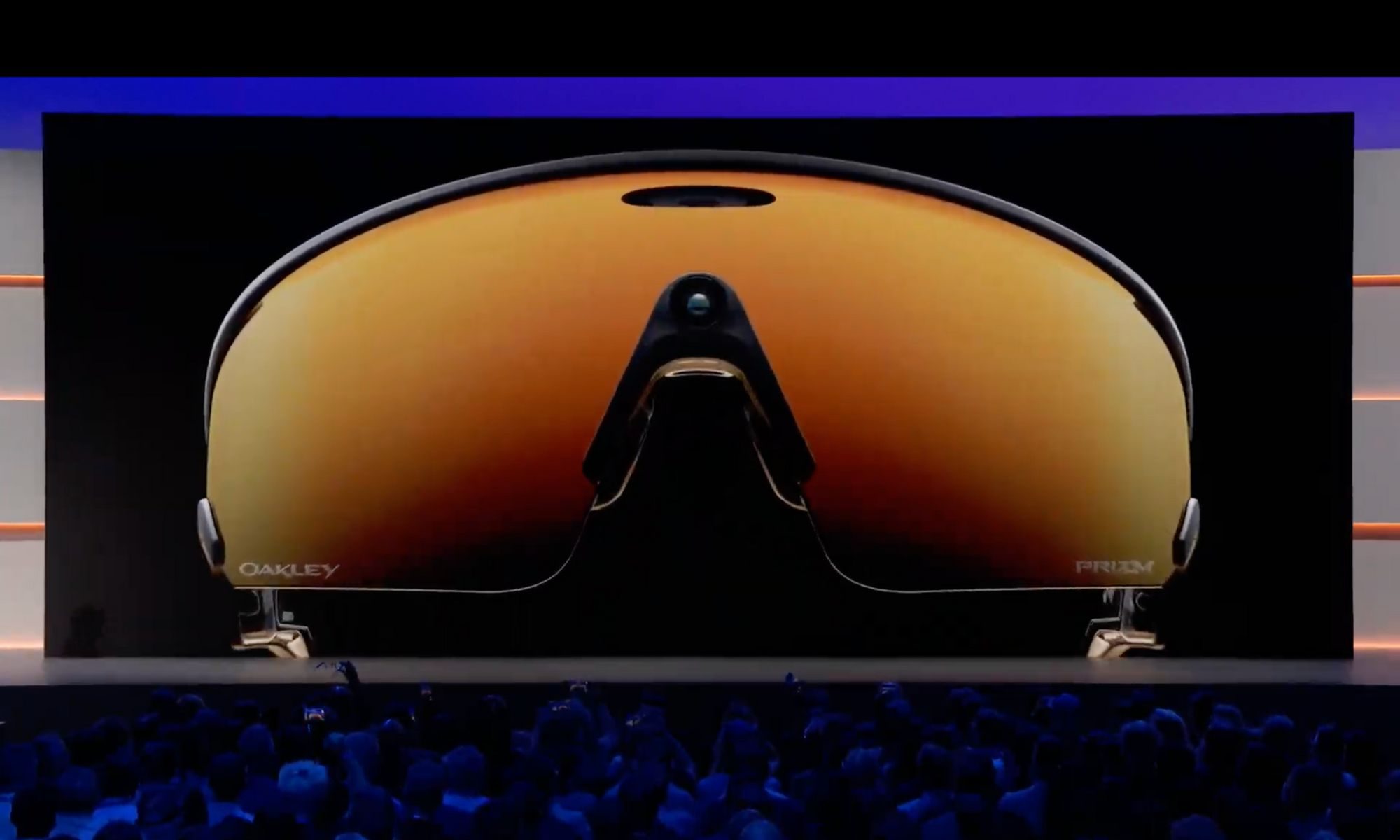
Meta is adding new models to its AI smartglasses line-up, adding new styles and colors, alongside a bunch of new features, as well. The Ray-Ban variant also gets two new limited edition transparent trims, both of which now rock a matte surface finish. The new Oakley smart glasses, on the other hand, come with an IP67-tier protection for dust and water exposure.

What’s changing?

The next-gen Meta Ray-Ban smart glasses double the battery efficiency. Compared to the previous generation, they nearly double the battery life to eight hours, while being able to charge up to 50% in nearly 20 minutes. With the charging case thrown into the mix, users are promised a per-charge mileage worth 48 hours.
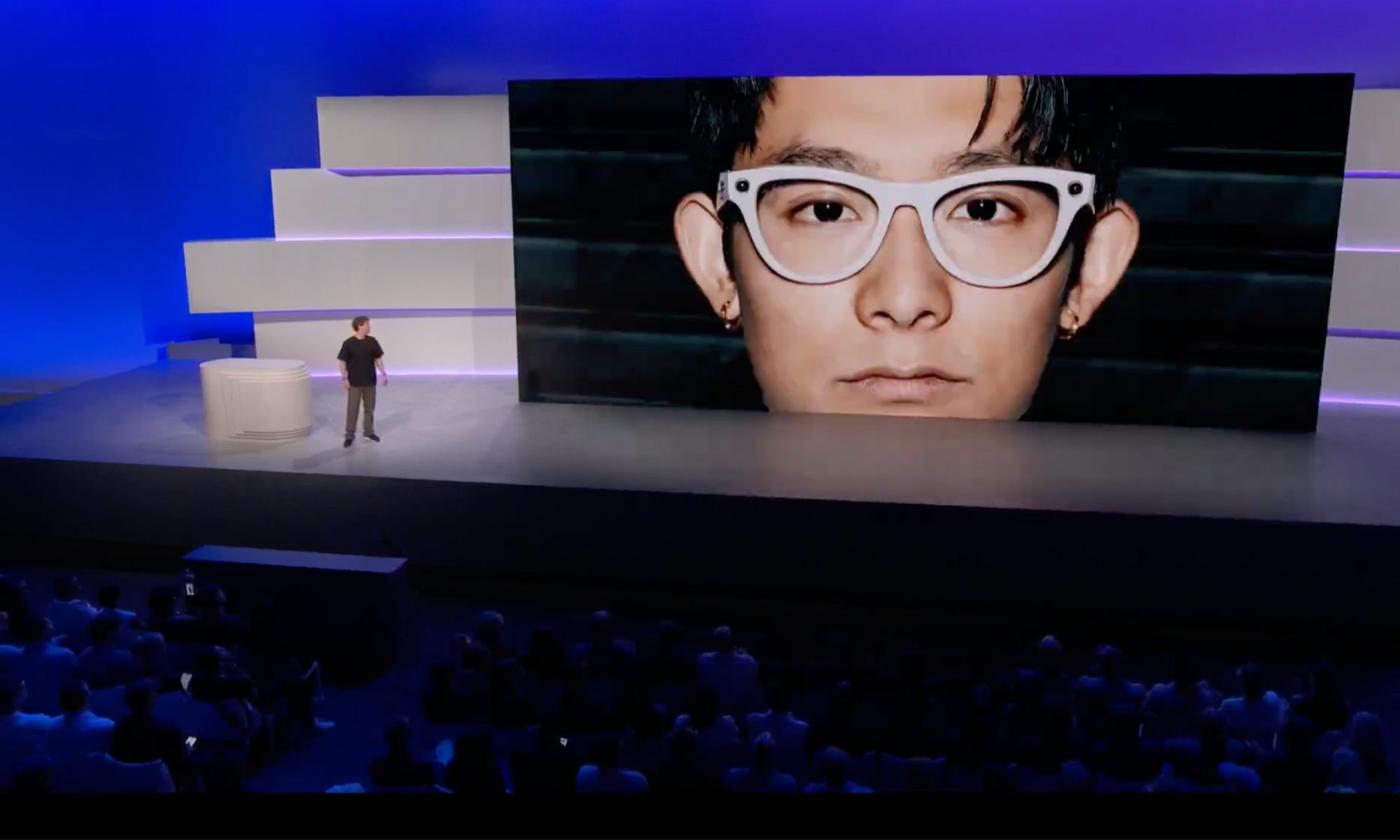
On the functional side of things, the Ray-Ban Meta (Gen 2) enables 3K Ultra HD video recording, alongside UHD video capture at 60 fps. They also add Hyperlapse and slow-motion video capture capability into the mix.

Recommended Videos

If you wear Garmin devices, the new Oakley-branded glasses will automatically start recording videos with certain stats, such as speed and distance, overlaid on the stitched video. A similar partnership is in place with Strava, as well.

The more exciting parts

One of the coolest features coming to Meta’s new smart glasses is Conversation focus, which essentially puts the speaker’s voice into focus while suppressing background noise. It will also be made available on Meta’s older Ray-Ban Meta and Oakley Meta HSTN glasses via a software update.
Additionally, the live translation system is adding support for German and Portuguese. “Soon, you’ll be able to have back-and-forth conversations between six languages — even when you’re in airplane mode,” adds Meta.

The Ray-Ban Meta (Gen 2) starts at $379 USD, while the performance-focused Oakley Meta Vanguard model will hit the shelves priced at $499. Both models are now up for pre-orders, while the latter will be up for grabs starting October 21.

Nadeem Sarwar
Nadeem is the Managing Editor at Digital Trends.
AI is finding Apple security flaws faster than Apple can sort through them
Apple has limited how many bug reports researchers can keep open as AI tools produce both genuine Mac vulnerabilities and a flood of questionable submissions
Lighting, Architecture, Building

Apple has capped the number of security reports researchers can keep open at once after AI bug hunting put its review process under pressure, according to the Financial Times.

Some submissions describe hallucinated or purely theoretical risks. Others uncover vulnerabilities serious enough to require patches. Bynario told the FT that it found more than 50 possible macOS flaws in three weeks, including a privilege-escalation chain that could give an attacker full control of a Mac.

Read more
Anthropic is paying $1.5 billion over pirated books, but it can still legally cut up purchased ones
The settlement addressed unauthorized ebook downloads, not the destructive scanning of lawfully bought physical copies, a distinction now alarming booksellers
Book, Publication, Indoors

A federal judge has approved Anthropic’s $1.5 billion settlement over nearly half a million pirated books. The same litigation also protected a more physical method of feeding its AI systems. Anthropic bought print books, removed their bindings, scanned every page and destroyed the originals.

The legal divide came down to acquisition. The settlement covers books downloaded from LibGen and PiLiMi, while the court treated Anthropic’s one-for-one conversion of purchased books into private digital files as fair use. Training AI models on lawfully acquired material was also considered transformative.

Read more
Google Earth’s AI misadventure lasted only a day. It was a tale of dangerous ignorance.
Nuclear reactors, tanks, and historical destruction on a life-like satellite map? Yeah, that's bad.
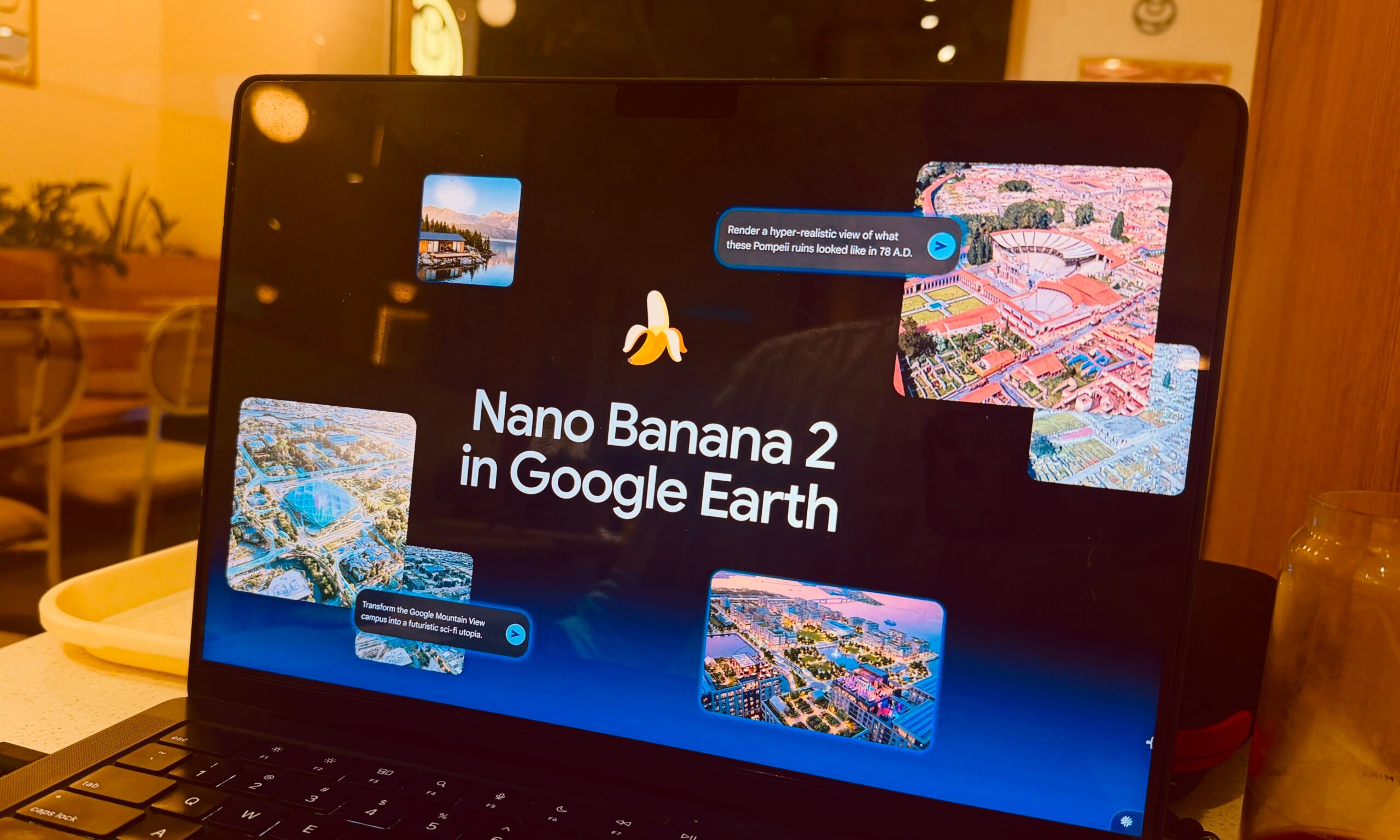
Nano Banana AI image generator representation.

Technology behemoths are clearly not reading the room, or they are just moving faster than they should when it comes to AI deployment. Google has already stuffed its Gemini AI in every corner of its software stack, from Android to daily productivity tools like Gmail that are used by hundreds of millions of users every day. AI is everywhere. Not all of it is bad, mind you. But in a few places, it just feels forced.

In its latest AI-fication experiment, the company targeted Google Earth. The idea was to let the audience use its Nano Banana 2 AI image generator and make images that can be placed on the map view. On paper, it's a cool idea. What would the Colosseum of Rome look like in your urban neighborhood? Yeah, fun stuff like that.

Read more