AMD’s RX 9070 XT is easily one of the best graphics cards, but I’ve long had a problem with it — it’s hardly ever sold at MSRP. Launched at $599, the GPU quickly skyrocketed in price, and it’s been expensive for the last few months.
At long last, we’re finally seeing signs of improvement, and GPU prices are starting to drop. Will that be enough for it to be worth buying once again?
A fantastic GPU bogged down by launch problems
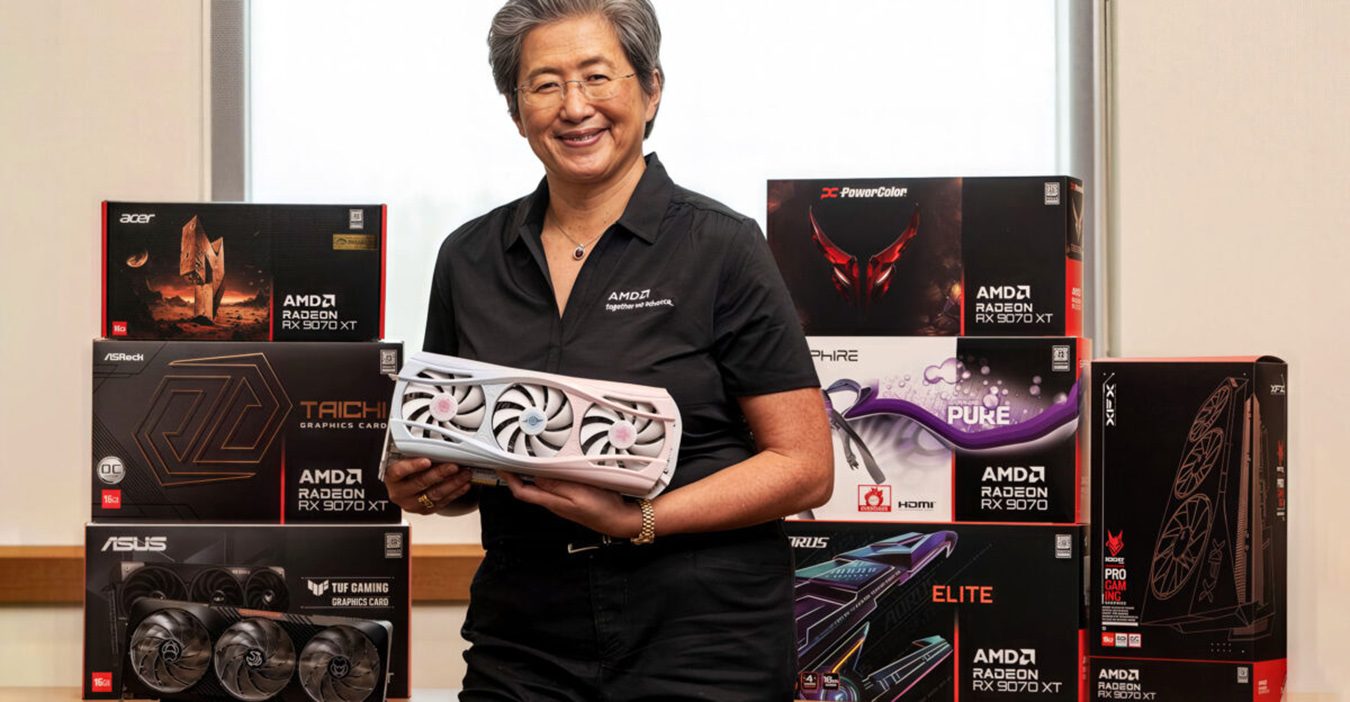
When I say that the RX 9070 XT is my favorite GPU of the year, I mean it. However, I still had to recommend against buying it very recently, all because of the issues that have been plaguing this excellent mid-to-high-end GPU since it launched.
At launch, the RX 9070 XT seemed like a dream come true. Made to rival the Nvidia RTX 5070 Ti, the GPU succeeded in most ways — all the while being, supposedly, at least $150 cheaper. The RX 9070 XT had a $599 launch price tag, and the RTX 5070 Ti — $749.
Benchmarks reveal that the RX 9070 XT can keep up with the RTX 5070 Ti in many titles. When overclocked, it’s been seen trailing the RTX 5080. That’s a fantastic result at $599, and even if it can’t quite beat the RTX 5070 Ti across the board and those RTX 5080-rivaling scores are rare, it’s still a great value.
Assuming it can be bought at MSRP, that is.
After the initial batch of RX 9070 XTs was all sold out (which didn’t take long at all — the gamers were ready), there was no coming back to the MSRP. I’ve seen the GPU sell for as much as $950, and never below $750.
We’re finally seeing signs of improvement.
Things are finally improving
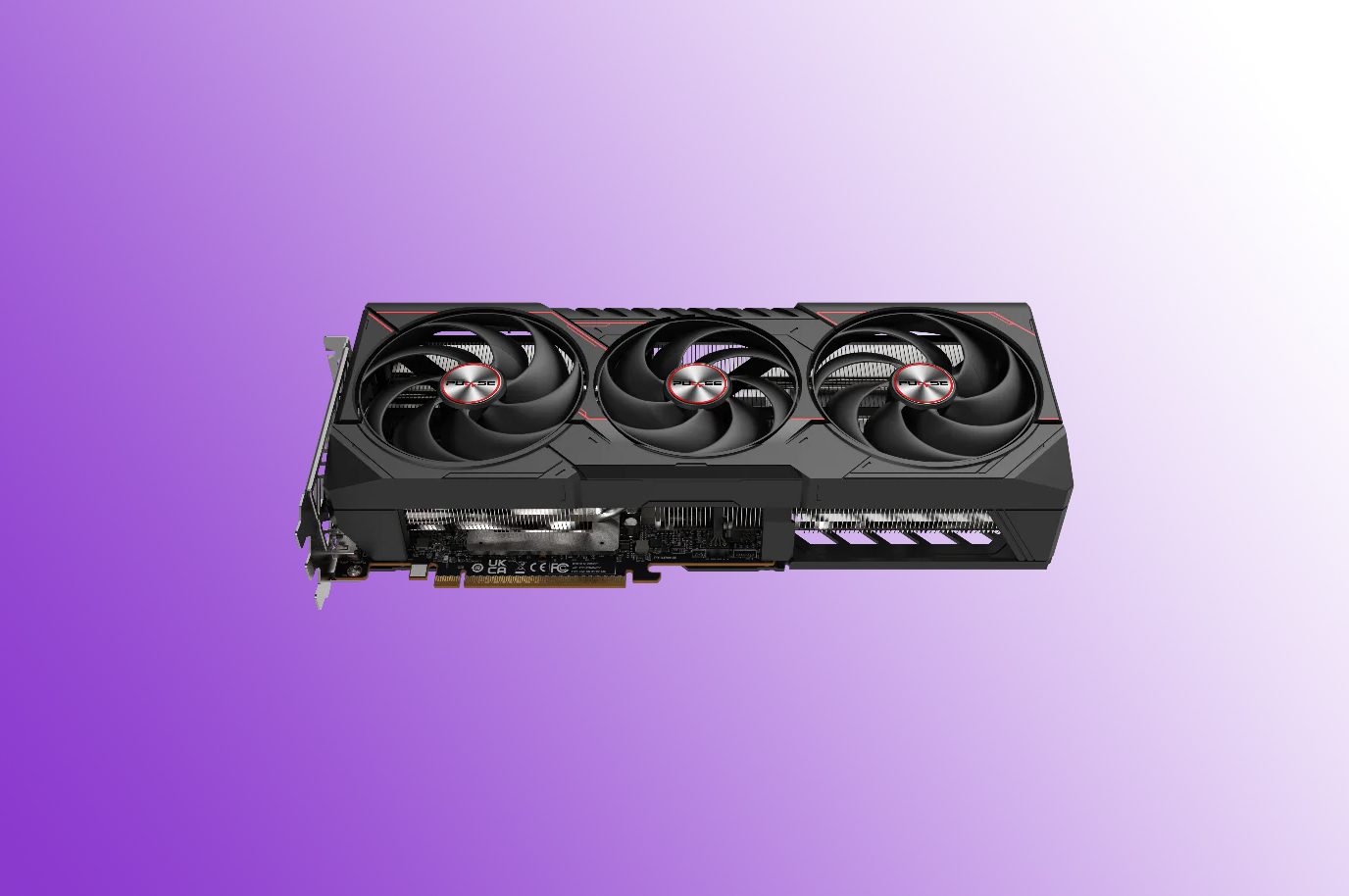
GPU prices have been wild this entire year, for various reasons. Shortages, tariffs, and a lack of competition at the high-end all contributed to graphics cards not only being pricey to begin with, but also selling above their recommended list price throughout the year.
Fortunately, for many GPUs, that is no longer true. And while AMD’s RX 9070 XT took a little longer to get there than other cards, it’s finally readily available in stores, and its price is much less frightening than a few months ago.
A quick look through Amazon shows me that the cheapest RX 9070 XT can be bought for as little as $669 right now. The PowerColor Reaper AMD Radeon RX 9070 XT GPU, with 16GB of GDDR6 VRAM, is discounted to $669 from its previous price of $719.
This is a rare sight. Not only is the GPU cheaper than what we’ve seen a month or two ago, but it’s also discounted. A 7% discount is not much to write home about, but it’s still a welcome sight after months of dealing with overpriced graphics cards.
Don’t get me wrong — even that $669 price tag is still $70 above the MSRP. But at that price, we’re finally at a point where the RX 9070 XT can be recommended as a more budget-friendly alternative to Nvidia’s RTX 5070 Ti. That just wasn’t the case before, though, no matter how much I love the performance of the RX 9070 XT and the general idea behind the card.
For it to be as competitive as can be, we need to get to a point where there are at least some models available at MSRP, though. There will always be pricier cards, and even GPUs that cost $100 or more than the MSRP will be a regular sight — those are overclocked models made to push the GPU to its limit. However, they should co-exist with regular GPUs sold at MSRP.
Right now, that is still not the case. Even the cheapest RX 9070 XT available is pricier than it should be, which means we’re not quite out of the woods yet — but we’re getting there.
Nvidia GPUs remain a threat to AMD

Benchmarks vary, but there’s no denying that the RTX 5070 Ti has some advantages over the RX 9070 XT.
First of all, in many tests, it leads in pure rasterization. The RTX 5070 Ti is faster than the RX 9070 XT in many games, although the difference can be pretty negligible. In some benchmarks, such as this test from PC Gamer, the AMD GPU is only 5% slower than Nvidia at 4K — an impressive feat for a card that was meant to cost $600.
Second of all, there’s the debate of DLSS 4 versus FSR 4. AMD’s proprietary upscaling and frame generation tech has improved by leaps and bounds over the years, but is it better than DLSS 4? Not quite, I’d say. It’s not just about raw performance — and DLSS 4 is impressive indeed — but also about widespread adoption. Nvidia’s frame gen is available in many more titles than FSR 4, and FSR 4 is essentially locked to a small number of GPUs right now, so it’s hard to say how fast devs will incorporate it in their games.
Lastly, the price. The RTX 5070 Ti has been available at MSRP for a while, which means that, as things stand now, you can pick one up for $90 more than the RX 9070 XT. That gives you access to DLSS 4 and slightly better performance in games.
The question is, are those two improvements worth $90? That’s a highly individual decision. For most gamers, the RX 9070 XT is finally starting to make more sense again, though.
The only reason why I’d recommend the RTX 5070 Ti instead of the RX 9070 XT right now is frame generation. Nvidia’s tech is more mature and more widespread, and as we largely rely on frame gen to get decent fps in AAA titles these days, this can be an important factor.
But, if you’re content with lowering your settings and are only planning to play at 1440p, the RX 9070 XT is finally starting to be the outstanding choice it was always meant to be — and I couldn’t be more excited. Let’s hope that the prices keep dropping, potentially pushing Nvidia to course correct in the RTX 50 Super refresh. A cheaper RTX 5070 Ti Super would be fantastic, too.
You can now buy the RX 9070 XT on Amazon for $669. Nvidia’s RTX 5070 Ti is $749.