1. Home
  2. Cars
  3. Legacy Archives

Avoid Slovakian traffic jams like a champ with the Aeromobile 2.5 flying car prototype

Add as a preferred source on Google

Would you buy a flying car? How about one from Slovakia?

This Eastern European country isn’t known for its car industry, which might explain why it birthed such an outlandish vehicle.

Recommended Videos

The Aeromobil 2.5 made its first test flight this week, a culmination of more than two decades of development. Aeromobil co-founder and chief designer Štefan Klein started with the 1.0 back in 1990, and hopes to begin selling the 3.0 production model (rendering above) soon.

Like the Terrafugia Transition, the Aeromobil is more plane than car. After landing, the wings fold behind the cabin, along a boom that houses the propellor shaft.

The rear-mounted propeller is driven by a Rotax 912 aircraft engine – the same one used in the Transition. In the air, the Aeromobil will reach a top speed of 124 mph. That top speed, however, drops to around 100 mph when the wheels are on the ground.

Terrafugia says the Transition will top out at 100 mph in the air and 65 mph on the ground. It looks like the Aeromobil is the sports car of the pair.
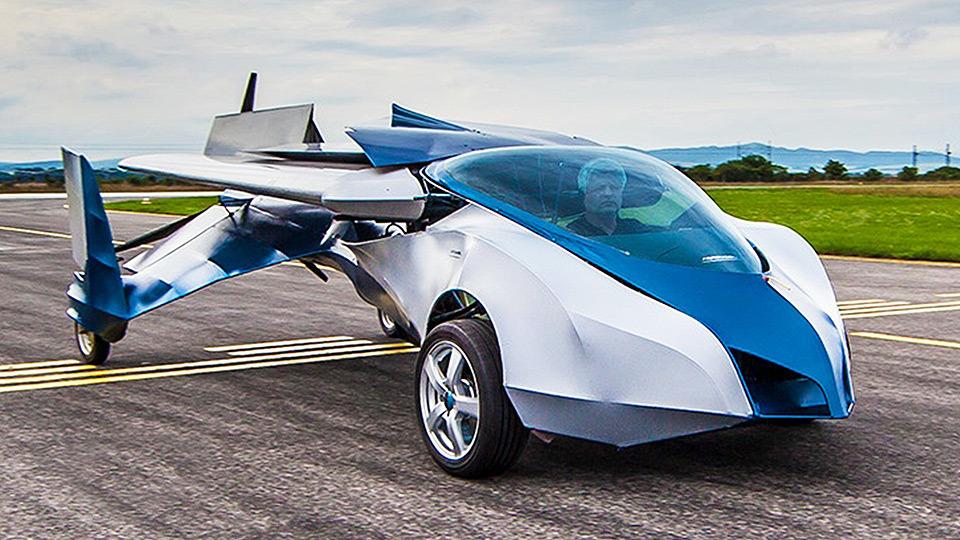
Aeromobile 2.5 flying carThe chassis (fuselage?) is composed of a steel frame with carbon fiber bodywork. Aeromobil says its creation weighs 992 pounds empty.

Maximum flying range is 430 miles, or 310 miles in driving mode.

Since the production Aeromobil 3.0 is still a ways off, the company isn’t talking price. Buyers will have to factor in the cost of flying lessons if it ever make it to the United States, though.

According to science-fiction, flying cars are a harbinger of the future. Road-legal aircraft like the Aeromobil and Transition will help us find out if that’s a future we actually want.

(Photos Copyright by Aeromobil.com, only licensed photographer: nocarnofun)

Stephen Edelstein
Stephen is a freelance automotive journalist covering all things cars. He likes anything with four wheels, from classic cars…
Volvo’s purported EX50 could be the budget-friendly plot twist nobody saw coming
Volvo's next electric SUV could shake up the EX lineup with more room and a smaller price tag.
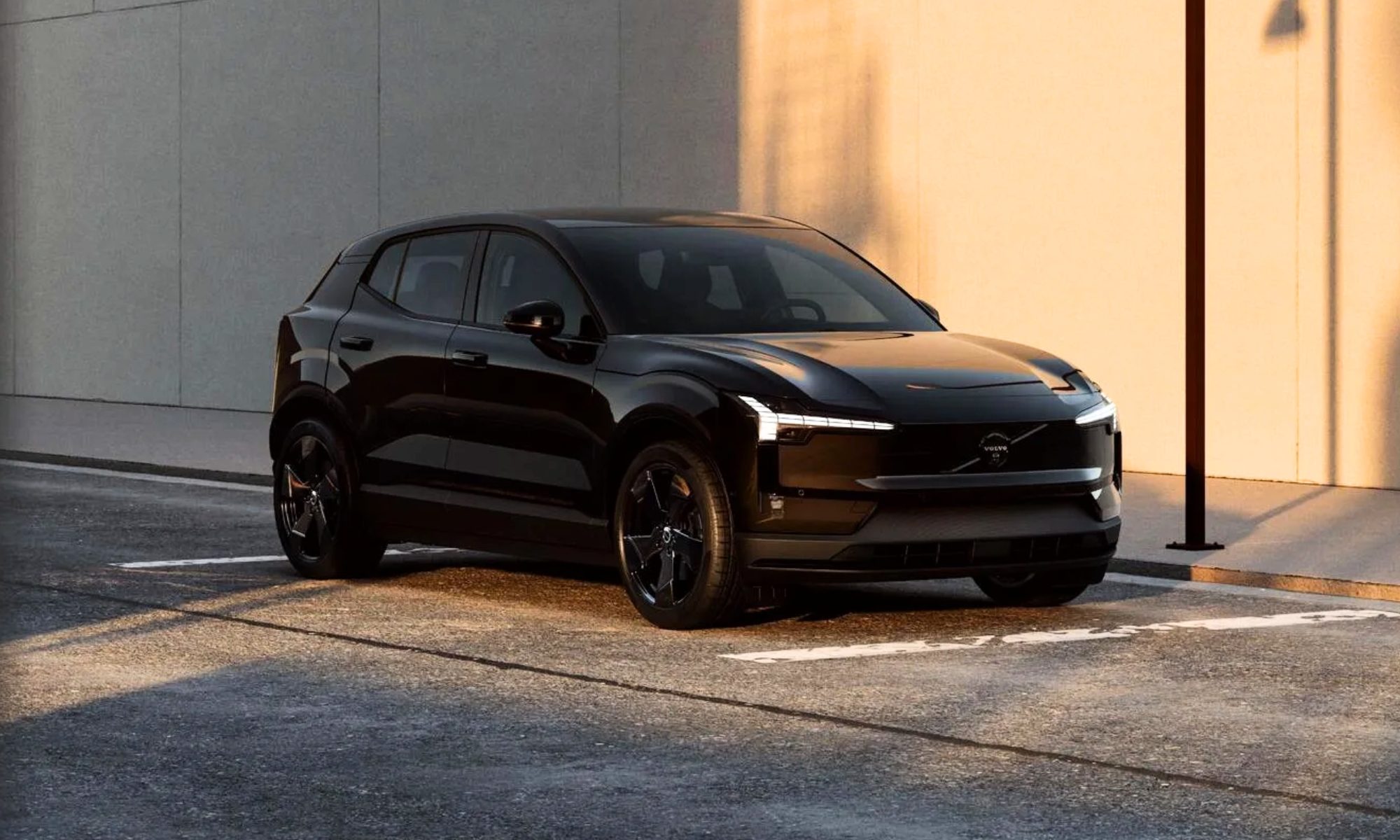
Volvo EX30 front profile.

Volvo’s electric lineup needed a genuinely affordable entry point, and a new report suggests that buyers might actually get one. 

According to a new Automotive News report, Volvo is quietly working on a compact electric crossover, called the EX50. It will be aimed at replacing the dated EX40 in the US sometime in 2027. 

Read more
Xiaomi just launched an SUV with seven seats and a bedroom upstairs
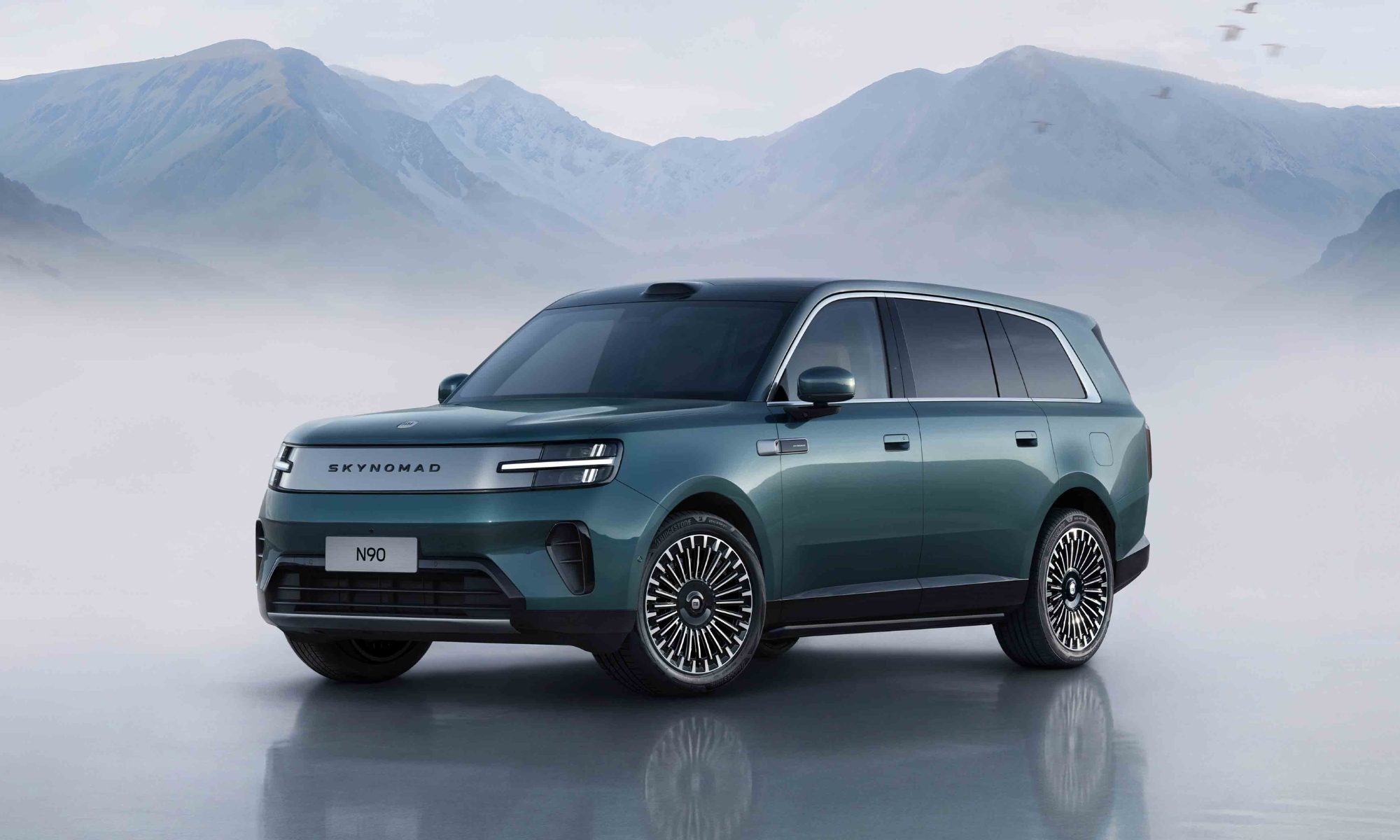
Xiaomi’s SkyNomad SUV could replace your car, office, lounge, and tent
Skynomad

Xiaomi’s new family SUV is basically a house on wheels with enough claimed range to cover more than 1,000 miles. It also costs considerably less than its outlandish feature list might suggest. The company has officially launched the SkyNomad N90 Max in China for 299,900 yuan, equivalent to roughly $44,400 through direct conversion.

Preorders are open now, with the first vehicles expected to reach customers in September. The converted figure provides useful context, though it does not represent pricing outside China. Xiaomi describes the seven-seat flagship as a “house you can move.” This unusually grand pitch starts making sense once you see what happens inside.

Read more
Mazda chief says the MX-5 Miata could go electric
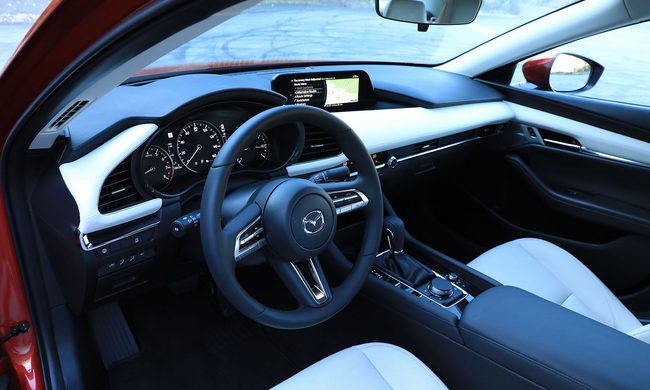
2019 Mazda Mazda3 AWD review

For years, the idea of an electric Mazda MX-5 Miata felt almost impossible. The little roadster has always been celebrated for one thing above everything else: keeping things light. Add a heavy battery pack into the equation, and many enthusiasts assumed the Miata's trademark driving character would disappear along with it.

Mazda, however, appears to have changed its mind. In an interview with German publication auto motor und sport, Mazda CEO Masahiro Moro confirmed that the next-generation MX-5 is being developed with the possibility of an all-electric version in mind. It doesn't mean the iconic roadster is abandoning gasoline anytime soon. Still, it does suggest Mazda wants the Miata to survive in a future where internal combustion engines may no longer be an option.

Read more