1. Home
  2. Computing
  3. News

Windows 11 could get a feature we last saw on Windows Vista

Fifteen years after Vista, video wallpapers are making a comeback.

Add as a preferred source on Google
The Surface Pro 11 on a brown table.
Luke Larsen / Digital Trends

After years of relying on third-party tools, Windows is preparing to bring video wallpapers back as a built-in feature in Windows 11. 

What’s happened?

  • The feature has reportedly shown up in the latest Windows 11 Preview Build for Insiders. 
  • It allows setting video files, like MP4, MOV, AVI, WMV, M4V, MKV, as desktop wallpapers, just as you would with static images. 
  • This marks the return of a feature reminiscent of Windows Vista’s DreamScene, Microsoft’s short-lived attempt at video wallpapers that disappeared after Vista. 

This is important because:

  • It gives users a native way to personalize Windows without relying on third-party apps. 
  • It could potentially reduce performance or compatibility issues caused by external software handling moving wallpapers. 
  • It demonstrates Microsoft responding to long-time user requests to bring back a feature many have missed ever since DreamScene. 

Why should I care?

  • If you like customizing your desktop, you’ll soon be able to use video wallpapers as simply as changing a static image.
  • You won’t need extra software like Wallpaper Engine for videos, which potentially saves cost, system resources, and setup time.
  • For laptop users, this might raise concerns about battery life or resource usage, something to watch when the feature rolls out broadly.

OK, what’s next?

  • Expect Microsoft to officially announce the video wallpaper feature in an upcoming Windows 11 Insider update. 
  • Public rollout will likely follow once testing stabilizes, possibly in a future build version after Beta channels. 
  • Also keep an eye on settings for controlling performance and power usage (especially for laptops) when the feature becomes widely available.

Personally, I’ve always loved the idea of video wallpapers, so seeing them return natively in Windows 11 sounds exciting and I can’t wait to try them out myself.

Kunal Khullar
Kunal Khullar is a computing writer at Digital Trends who contributes to various topics, including CPUs, GPUs, monitors, and…
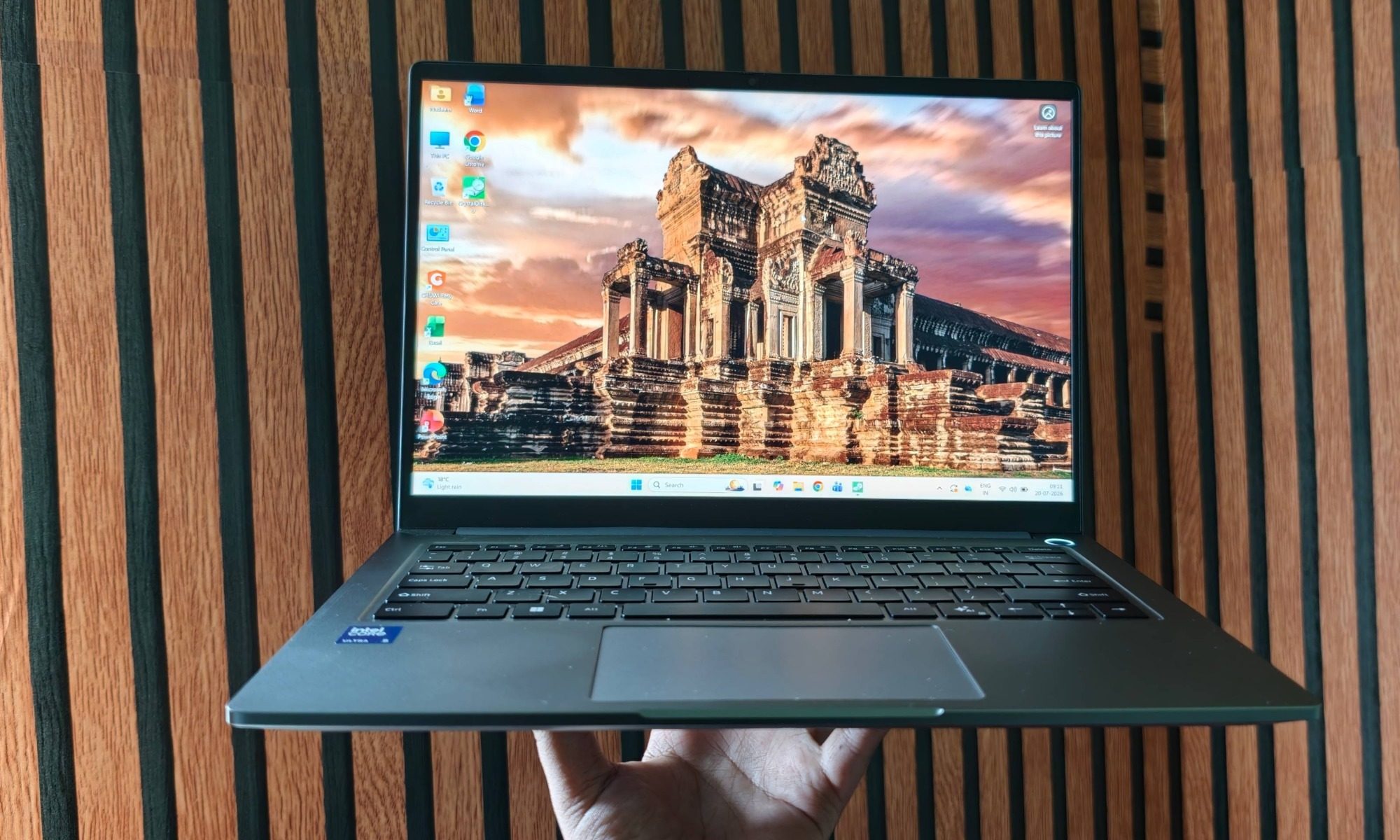
Chuwi CoreBook Air review: A rewarding budget laptop that wants you to cross the brand boundary
Chuwi's CoreBook Air is a relatively unknown, but a heavy-hitting budget machine for the AI-first computing era.
Computer, Electronics, Laptop

View at Chuwi

Quick verdict

Read more
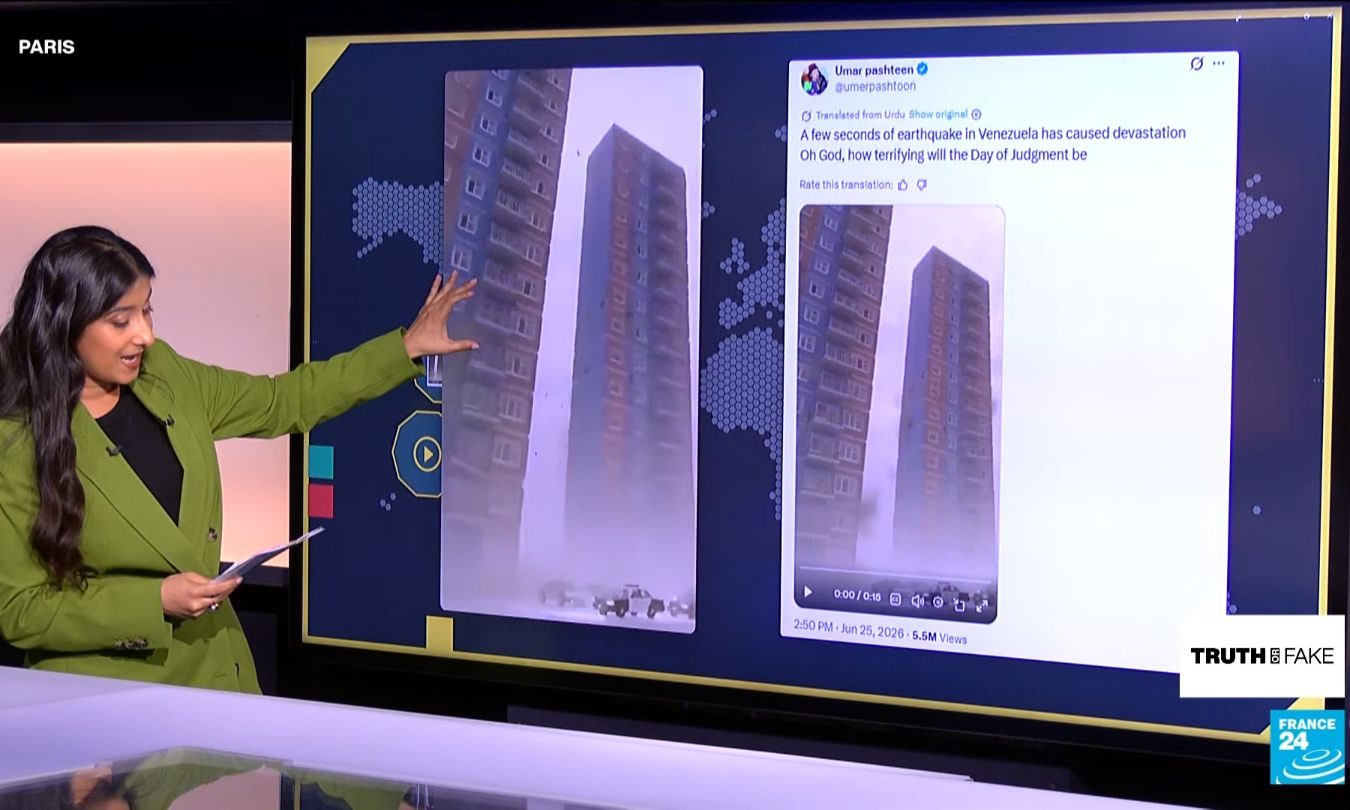
AI’s latest problem is deepfake disaster content for farming engagement
Fake and recycled videos from disasters in Venezuela and China are making social media feeds harder to trust when people need accurate updates quickly
Electronics, Screen, Adult

Social feeds around the earthquakes in Venezuela filled with recycled footage and AI-generated destruction. Severe weather in China attracted its own wave of AI disaster videos, including fabricated flood scenes and false reports of power outages.

It creates an ugly race. People want immediate evidence of what happened, and AI slop can deliver something dramatic before reliable information catches up. Authentic updates are left competing with fiction precisely when confusion can send people scrambling for answers.

Read more
Think twice before downloading your next Windows 11 app from Google
Your Windows app search results have become a malware minefield
Windows 11 Laptop

Searching Google for a Windows utility and clicking the first convincing result has always carried some risk. A newly uncovered network of fake websites has made that familiar habit considerably more dangerous. More than 70 domains were found impersonating popular Windows apps. This includes Microsoft PowerToys, CrystalDiskMark, EasyBCD, Wintoys, Lively Wallpaper, and SignalRGB.

Windows Latest reports that many of the lookalike sites appear above the genuine project pages in Google results, despite having no connection to the developers behind the apps. Some currently redirect their download buttons to legitimate Microsoft Store pages, which may be part of the attack.

Read more