Apple’s new iPhones feature a host of new improvements, but one of them could be the most important in daily usage: fast charging.
All the new iPhone 17 models — the flagship iPhone 17 Pro and iPhone 17 Pro Max, and the base iPhone 17 — all feature up to 40W fast charging. However, the iPhone Air (which doesn’t feature the iPhone 17 brand) supports a maximum wired charging speed of 20W, likely due to thermal management.
Apple has made bold claims about the charging speeds on all three iPhone 17 models, and it’s a welcome improvement across the board. The company has also launched a new dynamic power adapter, but do you need this to achieve the full 40W speed?
I set out to test the new iPhones against their chief competitors, and here’s what I found.
How we tested and what the measurements mean
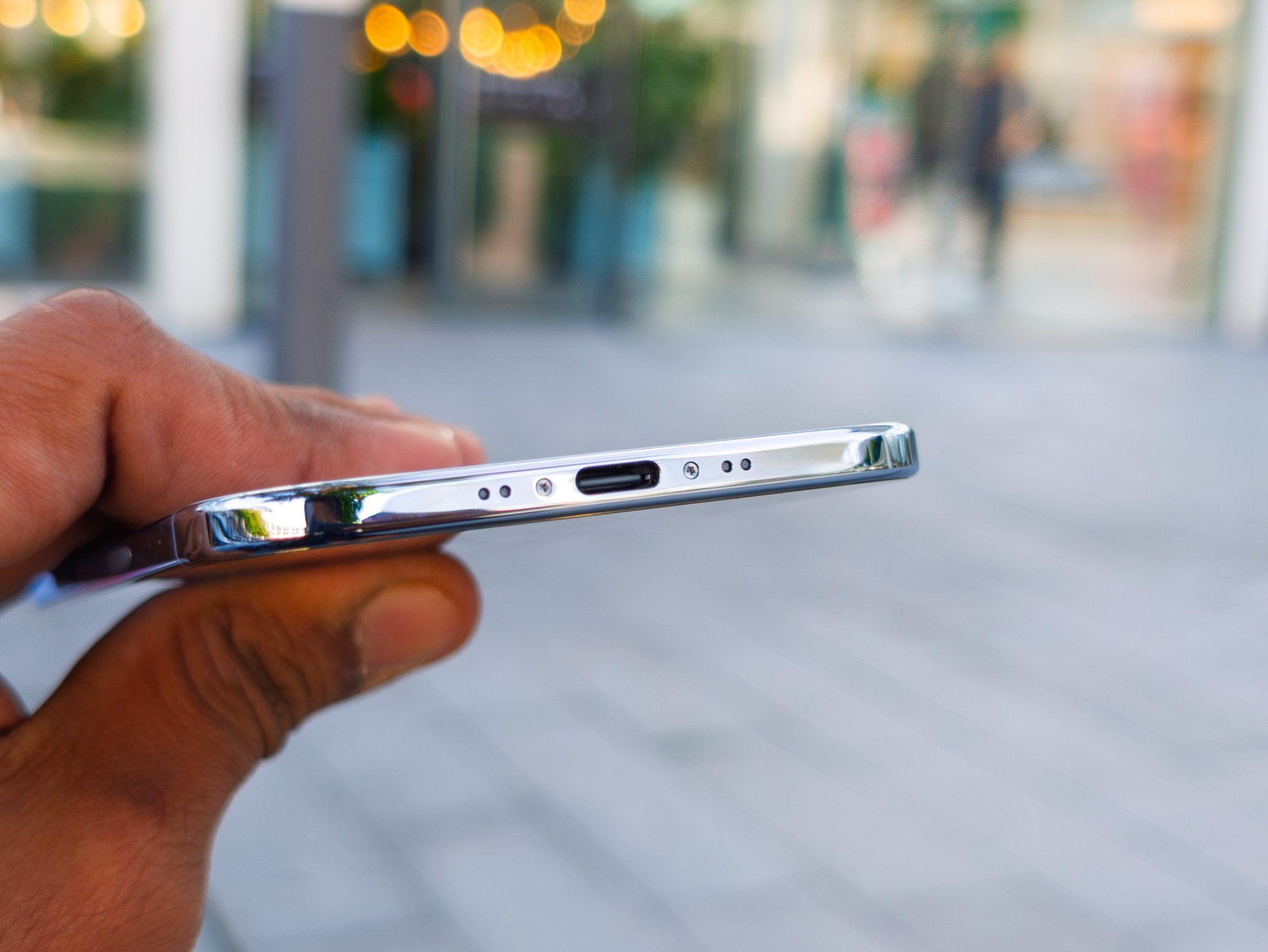
Before we delve into the test results, a quick explanation of how we tested and some of the measurements used below.
Many battery tests focus on the percentage displayed on screen at certain intervals. During our testing, we measured the charging of each phone at 15-minute and 30-minute intervals, as well as any other metric that the manufacturer claims.
Apple’s claims center on its new dynamic power adapter, which charges at up to 60W for approximately 20 minutes before automatically switching to 40W. This new adapter is only sold in the US and certain other countries, meaning I haven’t been able to test it. However, during our testing, I used a variety of chargers and achieved an approximately 35W sustained charging speed, suggesting that the dynamic power adapter won’t offer a significantly different experience.
To measure the full charge, we also need to account for the battery’s capacity, as there’s no standardized battery size. To understand whether a longer full charge is down to the battery size or the charging speed, we use a custom metric: mAh per minute.
This does exactly as it suggests: it divides the battery’s capacity by the time required for a full charge (in minutes) to provide a standardized metric across all battery tests. Now, let’s look at the results.
Apple iPhone 17: Up to 40W

First up is Apple’s base iPhone 17. This features the same 40W maximum wired charging speed as the iPhone 17 Pro, and Apple claims it can charge to 50% in just 20 minutes. Does it deliver?
Here are the charging results:
| Phone | iPhone 17 | iPhone 16 | Pixel 10 | Galaxy S25 |
| Price | $ 799 | $ 799 | $ 799 | $ 799 |
| Capacity | 3,692 mAh | 3,349 mAh | 4,970 mAh | 4,000 mAh |
| Max Speed | 40W | 20W | 30W | 25W |
| 15 min % | 37% | 33% | 27% | 29% |
| 30 min % | 64% | 59% | 47% | 56% |
| Full charge | 1:27h | 1:44h | 1:39h | 1:17h |
| mAh / min | 42.44 | 32.20 | 50.20 | 51.95 |
The addition of 40W charging provides slight improvements to the 15-minute and 30-minute charging intervals, but the biggest benefit (compared to the iPhone 16) comes in the overall charging speeds.
The Galaxy S25 features the fastest raw charging speed at 51.95 mAh / minute, while the Pixel 10 is just slightly behind but has a slower time to full thanks to its larger battery.
The iPhone is designed to charge rapidly to 80% and then slowly to 100%, and this is where it struggled in the past. The improvements this year ensure that it can still charge to full in under 90 minutes, and it usually reaches 80% in under an hour.
What about Apple’s claims? In my testing, the iPhone 17 charges quickly, but it averages around 42% in 20 minutes. It’s not quite 50%, but it’s more than fast enough, especially as it’s faster than both Google and Samsung at this mark.
Apple iPhone 17 Pro: Up to 40W

Next up is the iPhone 17 Pro, which features the same 40W wired charging as the iPhone 17 and the iPhone 17 Pro Max below.
Here are the charging results:
| Phone | iPhone 17 Pro | iPhone 16 Pro | Pixel 10 Pro | Galaxy S25 Plus | OnePlus 13 |
| Price | $ 1,099 | $ 999 | $ 999 | $ 999 | $ 999 |
| Capacity | 3988 mAh | 3,582 mAh | 4,870 mAh | 4,900 mAh | 6,000 mAh |
| Max Speed | 40W | 20W | 30W | 45W | 80W |
| 15 min % | 40% | 28% | 27% | 41% | 54% |
| 30 min % | 71% | 57% | 46% | 73% | 93% |
| Full charge | 1:18h | 1:35h | 1:39h | 1:02h | 0:37h |
| mAh / min | 51.12 | 37.71 | 49.19 | 79.03 | 162.16 |
The $1,000 price point used to be the most fiercely competed, but now it represents the Pro lineup. For Apple and Google, this means a smaller version of the larger flagship, but for Samsung, it represents a separate model entirely.
The iPhone 17 Pro features a considerable improvement here in all three metrics. The 15-minute charge is 43% more, while the 30-minute charge grows by 25%. The charging speed is approximately 36% faster, resulting in a 17-minute reduction in full charge time, or an 18% reduction.
The increased charging speed means the iPhone 17 Pro is now faster than the best from Google, but both phones pale in comparison to the best two. In second place, the Galaxy S25 Plus just beats the iPhone in the two timed tests, but sustained peak charging speeds for longer to ensure a faster overall recharge.
The undoubted winner is the OnePlus 13, which is more than twice as fast as the Galaxy S25 Plus. It’s worth noting that the OnePlus 13 is the only phone in this category to use a Silicon Carbon battery, which is denser and can pack a larger battery into the same size, while also sustaining higher peak charging speeds.
However, OnePlus has also been beating the competition in charging since before it made the switch, so there’s still room for improvement even without a switch to Silicon Carbon technology.
Apple iPhone 17 Pro Max: Up to 40W

What about the flagship iPhone 17 Pro Max, the first iPhone to feature a battery larger than 5,000 mAh (at least on the eSIM model)? Here’s how it compares to the key competition — the Google Pixel 10 Pro XL, and Galaxy S25 Ultra — as well as the OnePlus 13, which competes in the same category.
| Phone | iPhone 17 Pro Max | iPhone 16 Pro Max | Pixel 10 Pro XL | Galaxy S25 Ultra | OnePlus 13 |
| Price | $ 1,199 | $ 1,199 | $ 1,199 | $ 1,299 | $ 999 |
| Capacity | 4,832 mAh | 4,685 mAh | 5,200 mAh | 5,000 mAh | 6,000 mAh |
| Max Speed | 40W | 20W | 45W | 45W | 80W |
| 15 min % | 38% | 27% | 36% | 40% | 54% |
| 30 min % | 64% | 45% | 60% | 71% | 93% |
| Full charge | 1:15h | 1:59h | 1:24h | 1:00 | 0:37h |
| mAh / min | 64.43 | 39.37 | 61.90 | 83.33 | 162.16 |
It’s worth noting that I tested the model with a physical SIM card, which has a smaller 4,832 mAh battery, compared to the eSIM model, which features a larger 5,088 mAh battery. Although there may be slight differences in the numbers, the eSIM-only model should follow a similar pattern.
This test confirms that all phone makers reserve their best charging solutions for their Ultra, Max, or XL flagships. The iPhone 17 Pro Max charges at a faster rate than the iPhone 17 Pro and sustains peak speeds for considerably longer, resulting in a quicker overall charge time, despite the larger battery.
The Pixel 10 Pro XL is the only one of the best Google phones to feature 45W charging, and the difference is apparent, as it charges at a rate almost 26% faster. Apple beats Google again here, but both are much closer to the slightly improved Galaxy S25 Ultra. However, the OnePlus 13 continues to dominate in this area, being almost twice as fast as its competitors.
Apple iPhone Air: Up to 20W
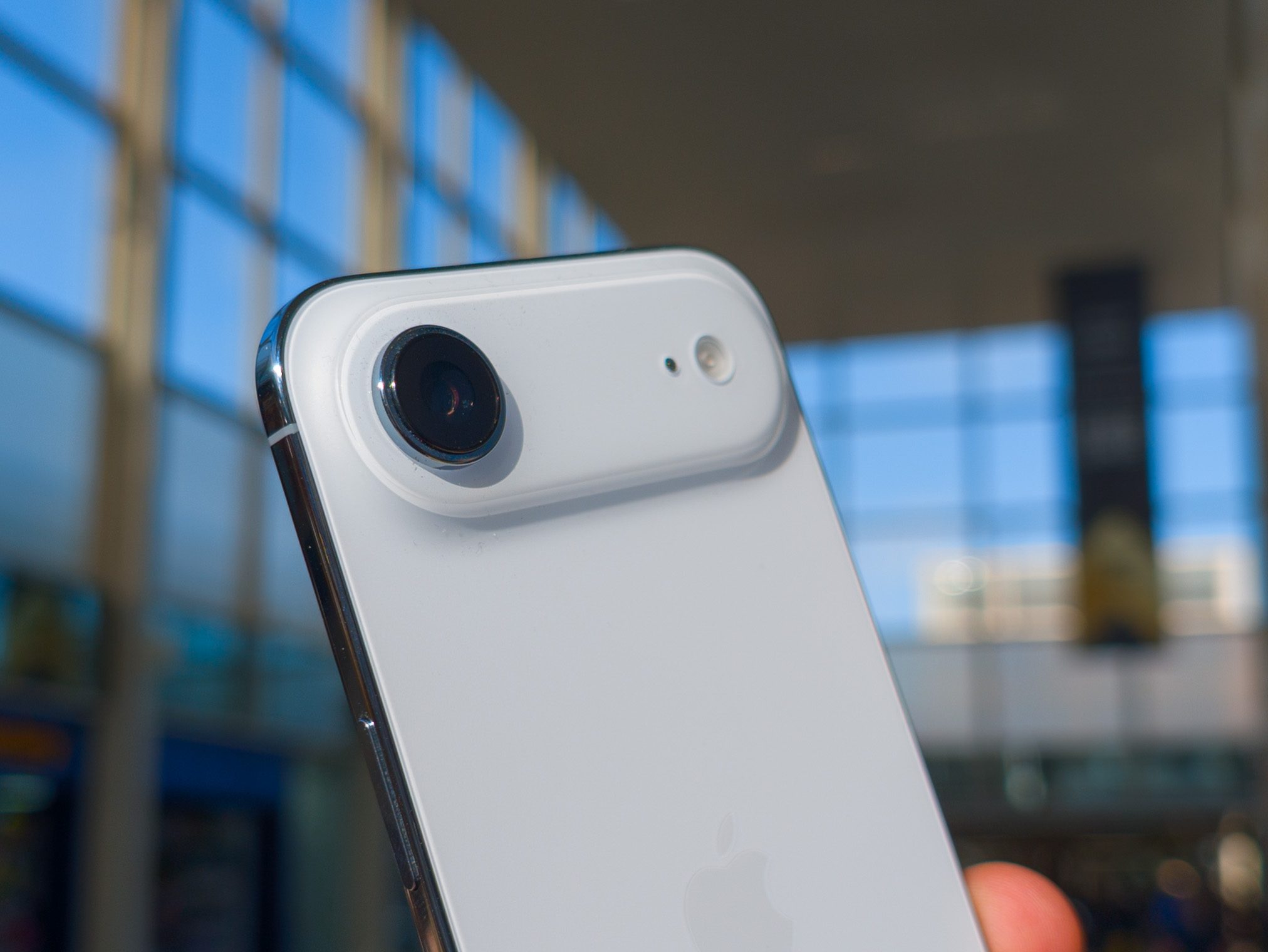
The key difference in charging this year’s new iPhones lies in the ultra-thin iPhone Air, which charges at half the speed, up to 20W. How did this affect the charging speeds, and how does it compare to the rest of the lineup, as well as the ultra-thin Galaxy S25 Edge?
| Phone | iPhone Air | Galaxy S25 Edge | iPhone 17 | iPhone 17 Pro | iPhone 17 Pro Max |
| Price | $ 999 | $ 1,099 | $ 799 | $ 1,099 | $ 1,199 |
| Capacity | 3,149 mAh | 3,900 mAh | 3,692 mAh | 3988 mAh | 4,832 mAh |
| Max Speed | 20W | 25W | 40W | 40W | 40W |
| 15 min % | 32% | 31% | 37% | 40% | 38% |
| 30 min % | 56% | 60% | 64% | 71% | 64% |
| Full charge | 1:31h | 1:06h | 1:27h | 1:18h | 1:15h |
| mAh / min | 34.60 | 59.09 | 42.44 | 51.12 | 64.43 |
The iPhone Air charging results are quite surprising as they reveal two interesting facts. First, as you might expect, a slower charger means slower charging, but second, the smaller battery means the iPhone Air only lags slightly behind the base iPhone 17.
Meanwhile, Samsung’s ultra-thin Galaxy S25 Edge features faster 25W charging, but like its namesake siblings above, this is most useful in the time taken for a full recharge. The results are similar between the iPhone Air and Galaxy S25 Edge at the 15-minute and 30-minute intervals, but the Galaxy S25 Edge charges almost 70% faster to a full charge.
The final rankings
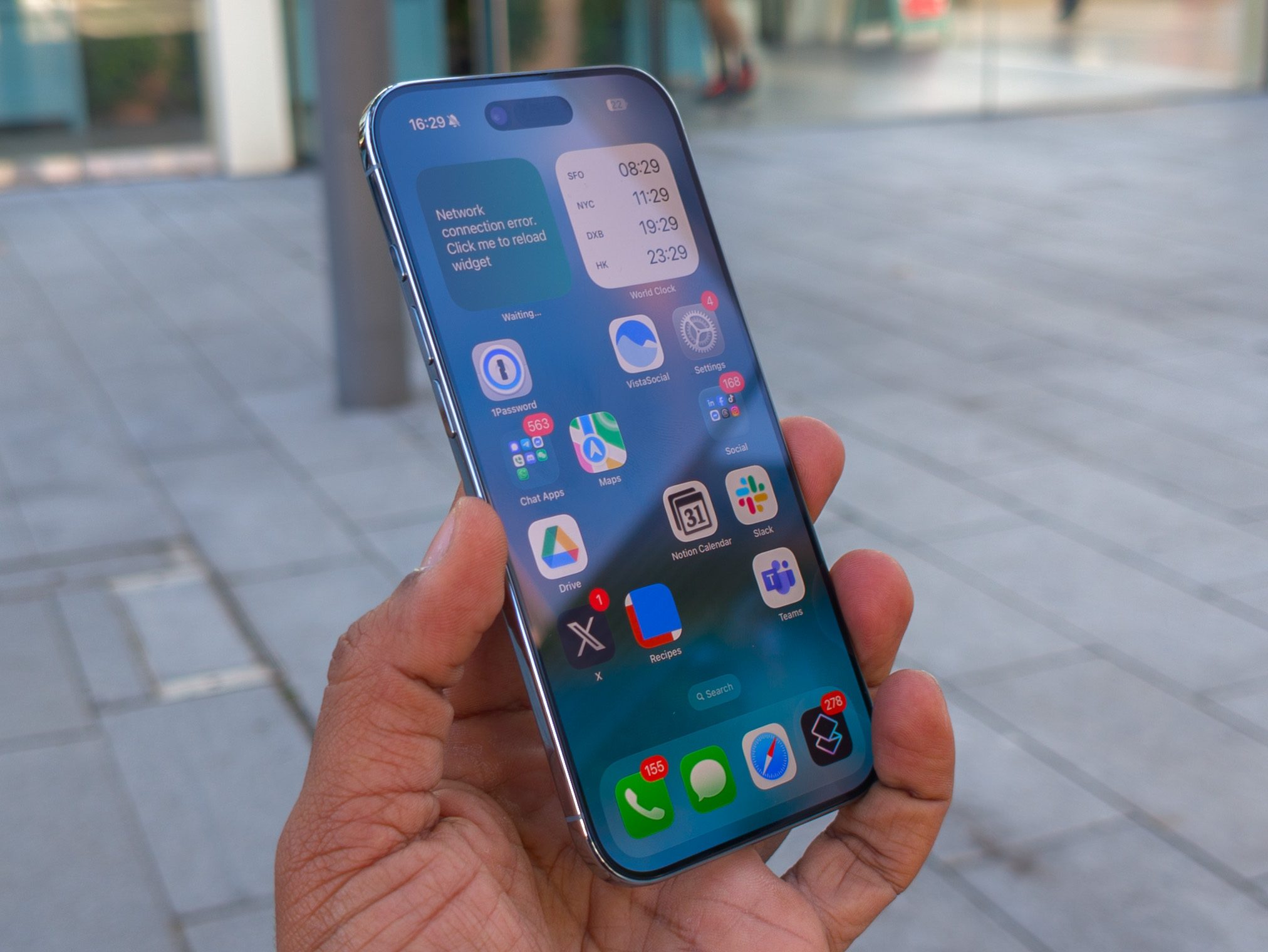
This is how the final rankings look, including certain other phones sold in the US, such as the Galaxy Z Fold 7 and the Motorola Razr 60 Ultra.
| Phone | Speed | Charge Time | mAh / min |
| OnePlus 13 | 80W | 0:37 | 162.16 |
| Moto Razr Ultra 2025 | 68W | 0:46 | 102.17 |
| Galaxy S25 Ultra | 45W | 1:00 | 83.33 |
| Galaxy S25 Plus | 45W | 1:02 | 79.03 |
| iPhone 17 Pro Max | 40W | 1:15 | 64.43 |
| Pixel 10 Pro XL | 45W | 1:24 | 61.90 |
| Galaxy S25 Edge | 25W | 1:06 | 59.09 |
| Galaxy S25 | 25W | 1:17 | 51.95 |
| Galaxy Z Fold 7 | 25W | 1:26 | 51.16 |
| iPhone 17 Pro | 40W | 1:18 | 51.12 |
| Pixel 10 | 30W | 1:39 | 50.20 |
| Pixel 10 Pro | 30W | 1:39 | 49.19 |
| iPhone 17 | 40W | 1:27 | 42.44 |
| iPhone 16 Pro Max | 20W | 1:59 | 39.37 |
| iPhone 16 Pro | 20W | 1:35 | 37.71 |
| iPhone Air | 20W | 1:31 | 34.60 |
| iPhone 16 | 20W | 1:44 | 32.30 |
The upgraded charging in this year’s iPhone represents a considerable improvement for Apple. Had the charging and capacities stayed the same as last year’s iPhone 16 series, they would have ranked last in this comparison (aside from the iPhone Air).
Yet, the iPhone 17 Pro Max places a very respectable fifth, a significant improvement compared to the iPhone 16 Pro Max, which was in 16th place.
Overall, it’s clear that the new iPhone’s faster charging is a welcome improvement, making it faster in all three charging metrics. Apple’s best now outranks Google’s best, but it still falls short of Samsung, who is comfortably in second place. For yet another year, OnePlus has the charging solution to beat.