  1. Home
  2. Mobile
  3. Opinion
  4. Features

We don’t need inflight cell phone call bans, we need inflight manners

Add as a preferred source on Google

Anyone who’s ever sat near an infant during a long flight recoiled in horror last week after the Federal Communications Commission revealed its plans to consider lifting the 22-year-old ban on inflight cell phone calls. Great, we all thought, now some D-bag will inevitably sit right next to me while he yammers away, forcing me to spend the entire flight fantasizing about smothering him to death with my new Brookstone neck pillow

In other words, listening to other people talk on the phone is painfully obnoxious. Which is part of the reason why, according to an FAA survey from 2012, more than 50 percent of airline passengers do not want cell phone calls permitted on their flights. It’s also likely why the airlines, which have unilaterally prevented passengers from making cell phone calls using on-board Wi-Fi signals, may decide not to allow any type of inflight cell calls, even if the FCC eliminates its ban.

Despite our distaste for inconsiderate jerks, however, airlines banning cell phone calls on flights simply to stop rude people from talking near us is extreme – and entirely unnecessary. Society has a way of sorting out impolite behavior without imposing institutionalized rules. It’s called etiquette, and devising proper decorum for inflight calls is the only rulemaking we need.

This is not a new concept, especially as far as cell phones are concerned. Most of us don’t make long calls on quiet train cars, or blather on our smartphones at funerals. We put our devices down at family dinners. And, when we need to make a call in these situations, we make them as quick and silent as possible.

Society has a way of sorting out rude behavior without imposing institutionalized rules. It’s called etiquette.

Many, 
including my colleague Andy Boxall, have argued that people should just have some patience and wait until their flight has landed before getting on the horn – that the only right thing to do is to do without. But there are good reasons for people to send or receive calls while in the air – situations in which email or text messages alone are not adequate: Family medical emergencies and time-sensitive business deals come to mind, but I’m sure there are a million other examples. And regardless, no good official policy is based on judging the importance of someone else’s personal matters. 

In addition to establishing some unwritten rules of conduct, there are ways to stop people from making annoying inflight calls that don’t involve banning the activity outright. For example, airlines can adopt specific rules that require callers to end their chats if a flight attendant asks them to. And wireless providers can charge exorbitant rates for mid-air service, coercing people to only take the most urgent calls, and to keep their talk times to a minimum – something that’s likely to be the case anyway, given wireless companies’ penchant for relieving customers’ of their cash.

Most people don’t want to be the A-hole everyone around them hates. And through a combination of general etiquette and light-handed official policy, we can force those who fail to grasp common decency to behave as we would like them to behave. Is this a foolproof plan? Of course not – tech users do stupid, obnoxious stuff all the time, even when there are strict laws in place. (Just look at the statistics on texting while driving.) But that’s not a reason to deny the rest of us a service that could be extremely useful.

Considering that humanity has figured out both the miracle of flight and the wonder of wireless global communications, I have full confidence we can sort out a way to combine the two without it all going to hell. We’ve solved the problem of rude technology users before, by making it unbearably uncomfortable to act like a punk. And as new gadgets arrive on the scene – I’m looking at you, Google Glass – we’ll have to do it again.

So, airlines, let us have our inflight cell phone calls. The people who abuse the privilege will have an earful from their fellow passengers soon enough, trust us.

Andrew Couts
Features Editor for Digital Trends, Andrew Couts covers a wide swath of consumer technology topics, with particular focus on…
The best note-taking apps for iOS and Android
I tested these apps for months so your notes never have to switch homes again.
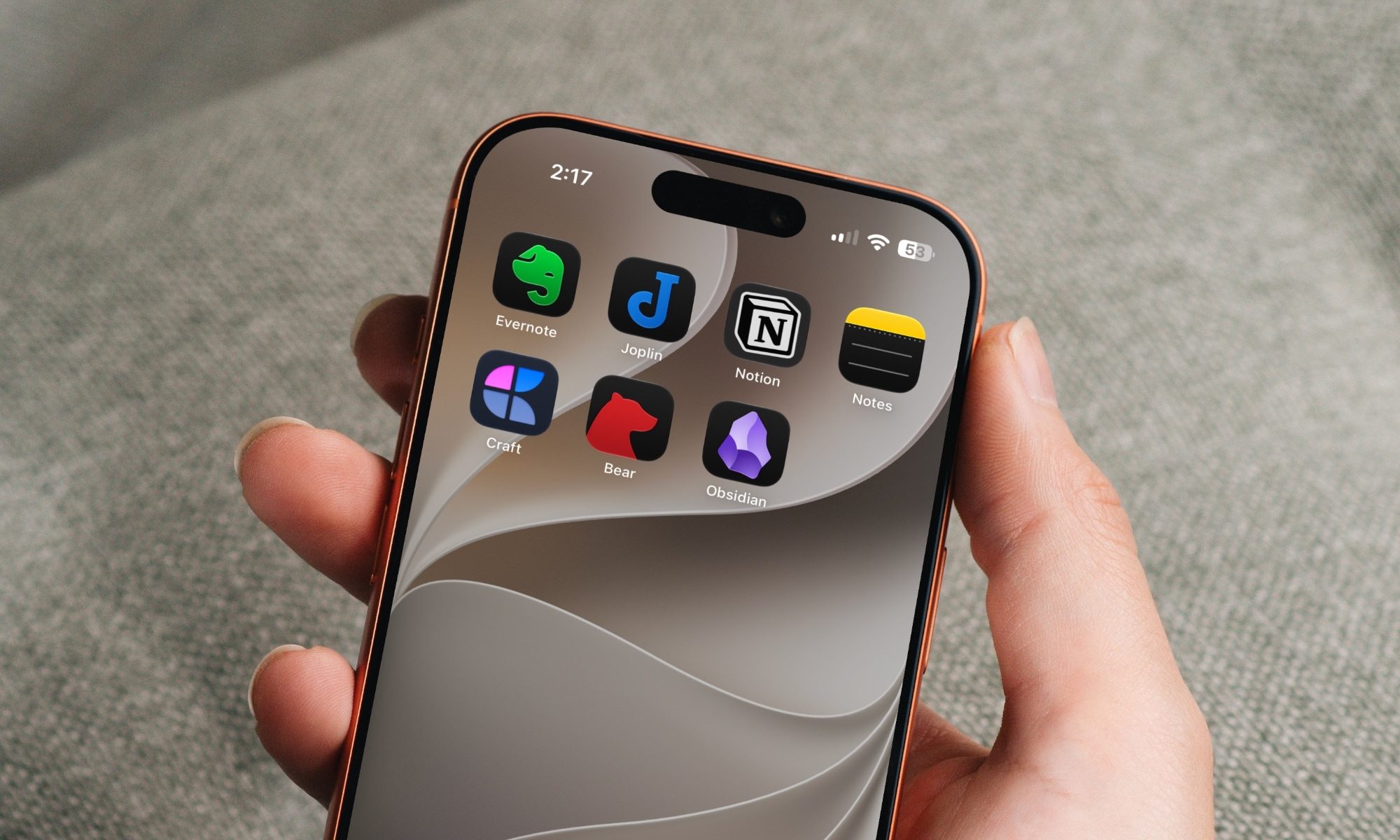
iPhone showing note-taking apps

Choosing a note-taking app is not easy. What note-taking app you choose depends on your needs, the platform you use, and of course, the cost. The process becomes even more complicated as it seems that there’s a new shiny app released every other week. 

That’s why I always suggest choosing a note-taking app that has all the features you need and can last you for a long time. Also, don’t chase new apps. The real power of a note-taking app comes when all your notes live in one place, making it easy to spot connections between them.

Read more
The best phones in 2026: our 14 favorite smartphones right now
We tested phones across all price brackets so that you can make the best pick based on your needs and budget.
Google Pixel 10 Pro Fold vs Galaxy Z Fold 7 cameras

Choosing the right smartphone in 2026 is no easy task. Apple and Android manufacturers now have strong options at almost every price, while better cameras, longer battery life, improved software support, new AI features, and more refined foldable designs have made the market more competitive than ever. But picking one is not easy, especially if your budget is tight, or you are just legitimately concerned about getting the best value for your money and need a reliable daily driver for long-term usage.

We have tested and compared the leading smartphones available today, looking beyond the spec sheet to see how they actually perform in daily use. Camera quality, battery life, performance, display quality, software, design, and long-term value all play a part in our recommendations. Whether you are looking for a powerful flagship, a dependable budget phone, a compact device, or a foldable, this guide should help narrow down your choices.

Read more
Snapchat Planets Meaning: Order, Rankings, and How Friend Solar System Works
Snapchat Planets turns your best friends list into a solar system, and yes, your orbit says a lot
Snapchat Planets being shown on the Snapchat app on iPhone.

Snapchat+ includes several exclusive features, but few have generated as much curiosity as Snapchat Planets. Part of the app's Friend Solar System, it transforms your Best Friends list into a planetary ranking, assigning each of your top eight friends a planet based on how often you interact.

From Mercury, which represents your closest friend, to Neptune, which represents your eighth closest, the system offers a quick visual snapshot of your interactions. But what do the different planets actually mean, and how does Snapchat decide who gets which one?

Read more