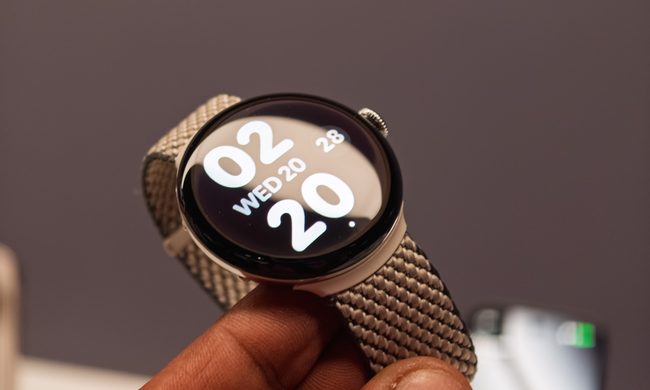
There is no longer-enduring personal technology than the watch. It began its life as the pocket watch in the late 1400s and retained its popularity as a staple of portable tech until the early 1900s, when it was dethroned by the wristwatch. That permutation eventually got a jolt of life from the advent of the digital wristwatch in the 1970s. A few decades later and we’re now on what appears to be the eve of the “smart” watch. Popular culture has hinted at the complete computerization of our old trusty timepieces for many a decade, and the size of microchips, pixels, and batteries is finally beginning to comply with our dreams.
The funny thing about dreams, though: They’re really hard to explain. A lot of people seem to think they want a smartwatch, but like the smartphone, it takes a company with vision to show us how it’s done.
Thanks to constant rumors that Apple’s going to make a watch, and the release of Samsung’s Galaxy Gear (read our review), it seems like everyone is asking and wondering about smartwatches this holiday season. They’re supposed to bring the watch back to prominence as our go-to piece of tech. Sadly, we aren’t there yet. There are a lot of good reasons why you may want to wait at least one more season before buying into the mobile industry’s latest craze. Here are a few of them.
They are expensive
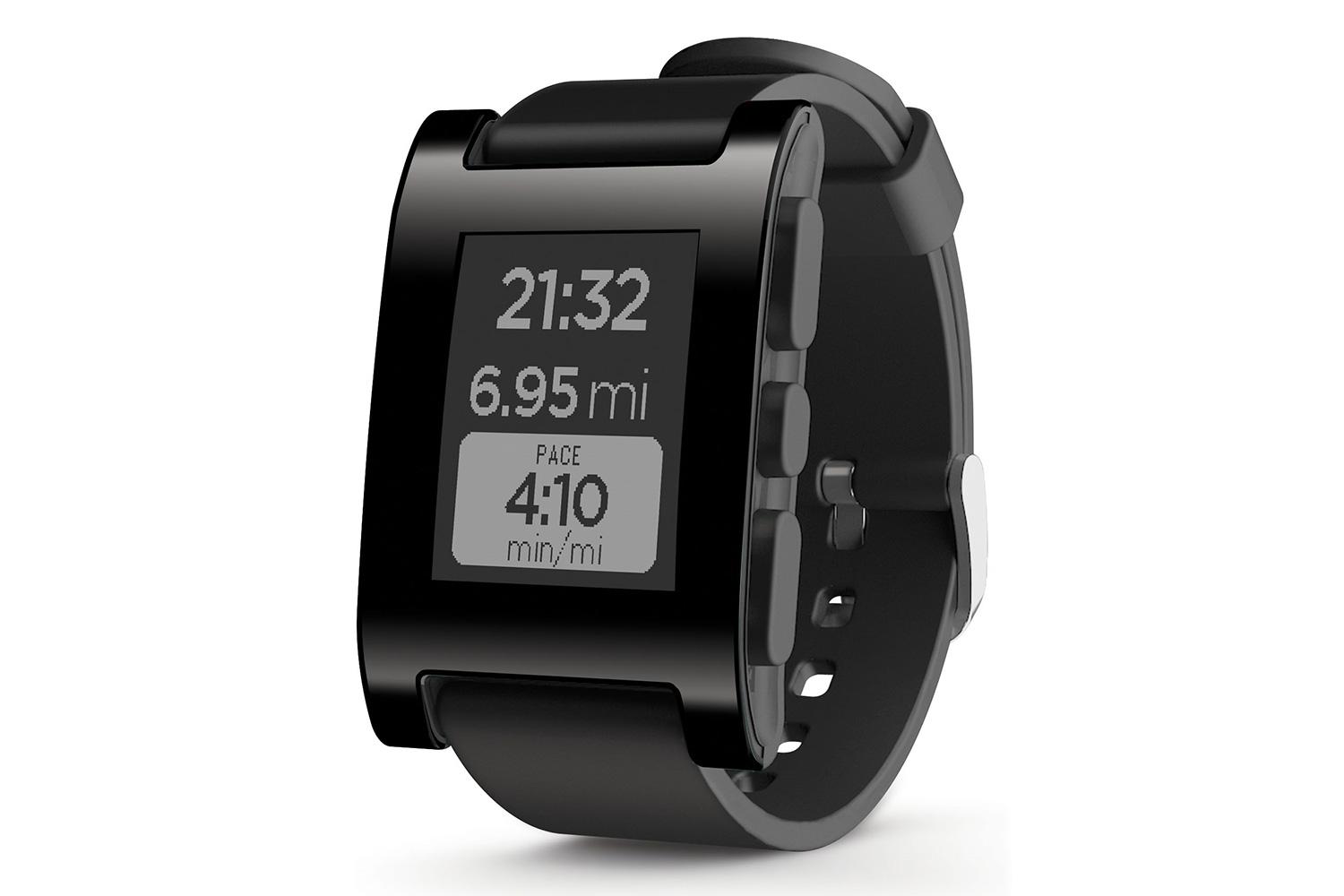
The cheapest fully-baked smartwatch is the Pebble, and it costs $150. That’s $150 for a black and white screen, a few apps, Snake, and some different watchfaces. We like the Pebble more than any other smartwatch that’s come across our desks, but it’s a lot of money for a watch that is much less capable than any smart phone (and most feature phones). Sony’s Smartwatch 2 starts at $200, making it one of the more affordable full-color models, but the Galaxy Gear will run you $300, and Qualcomm’s upcoming Toq watch will cost $350. These aren’t cheap throwaway tech to try, like the $35 Chromecast. They cost some serious bucks – likely more than you spent on your phone.
They look bulky and nerdy
This new batch of smartwatches are thinner than their predecessors, but it takes pretty unique tastes to think they look good, sleek, or desirable on a wrist. At best, the new generation of watches don’t actively get in the way of your current clothing and don’t weigh your arm down, but they are very noticeable. Chances are, if you’ve encountered one of your friends wearing a watch like this, or anyone, you remember it. That’s not good when 60 to 73 percent of people only want a smartwatch if it blends in, according to a Citrix survey.
You have to charge them, often
Battery life matters. We put up with getting only a single day of battery life from our smartphones, but do we really want to charge our watches every night, too? The Pebble is the current leader with about a week of juice per charge, but fancier watches skew toward only two or three days, which means they’ll probably need a charge every day after a few months. This needs to improve.
They are a slave to your phone (and picky about what phones they work for)

Right now, smartwatches are like the annoying little brother of the smartphone. They want to play with its apps, they require its data connection to do almost anything, and they wear out its battery with their constant demands. Most of them require a Bluetooth connection to an iPhone or Android device to connect to the Internet, and some, like the Galaxy Gear, can’t even properly keep track of time (yes, this is true) without being connected to a phone. Worse, many watches only work with Android or iPhone.
If you use Windows Phone, BlackBerry, or a flip phone, you’re out of luck entirely. If you’re phone doesn’t run a new enough version of Android (usually version 4.0 or higher) then you’re also out of luck. Not to harp on the Gear, but it only works reliably on a single phone right now: the Galaxy Note 3. Other Samsung Galaxy phones will be compatible soon, but it’s impossible to say when or if your carrier will release the update you need.
They don’t do anything your phone can’t do better by itself
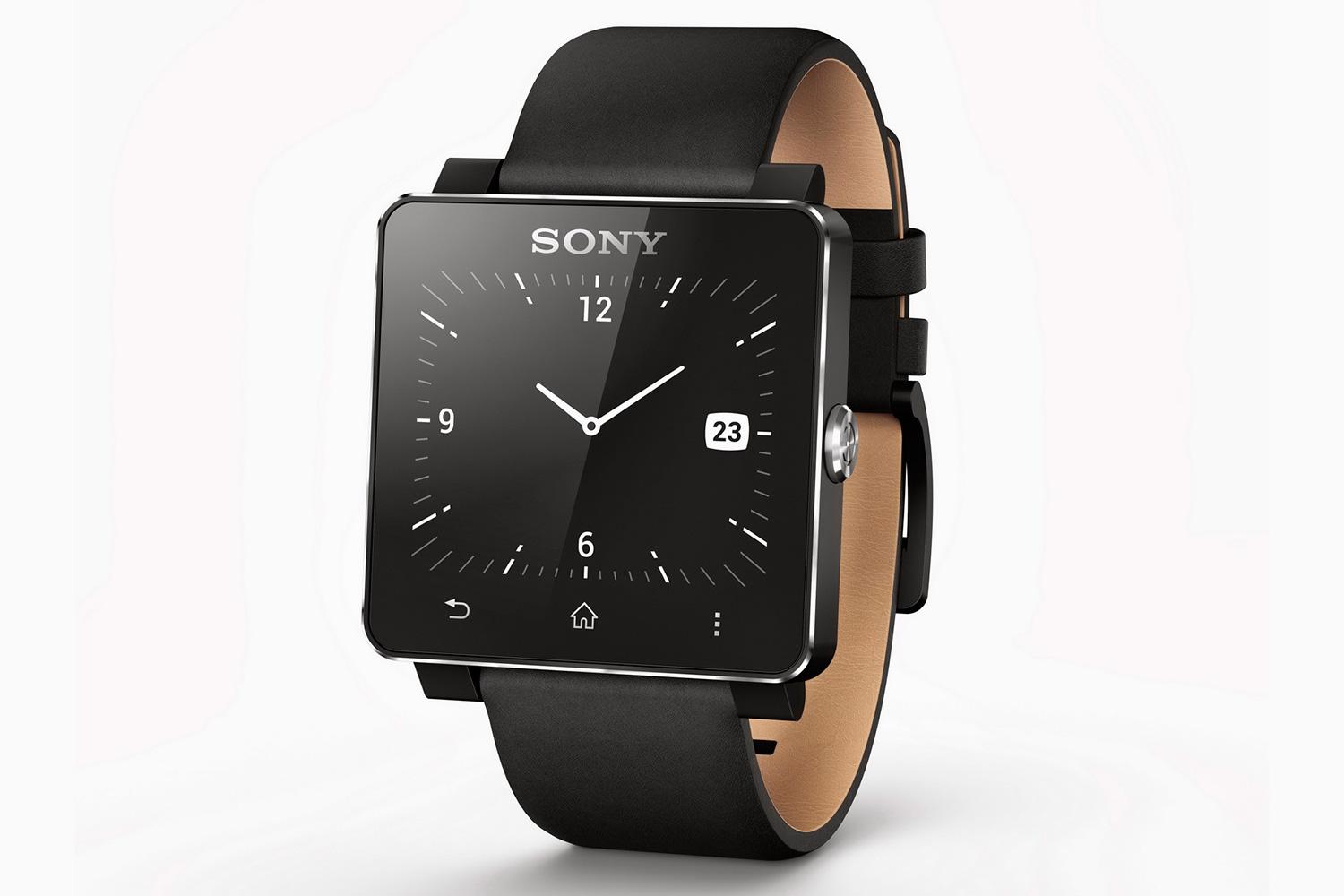
Sure, it sounds convenient to take a call or snap a photo from your wrist, but its not practical when you get in the trenches and try to do it.If Dick Tracy were real, he would have returned that monstrous phonewatch he had on day one. But what about notifications and texts? Surely these actions are more watch friendly, right? Well, maybe, but Samsung and Sony certainly haven’t figured them out. The Gear doesn’t show you entire notifications much of the time and Sony’s watch can’t even turn on to show you anything unless you press its power button.
Shouldn’t a watch know how to automatically turn on its screen when you look at it? If you have to press a button to turn on your watch screen, you’re already halfway toward reaching into your pocket and pulling out your phone. The Pebble doesn’t even have a touchscreen, which hampers much of its usefulness in a crunch.
A true smartwatch doesn’t need to cheat on the connection test. It would have Wi-Fi support built in and options for other types of connections.
App support won’t exist until Google and Apple jump in
Google, Apple, and Microsoft own the keys to the biggest app stores and right now those stores aren’t built to support smartwatch apps. Once those companies do dive in, and they will, there will be APIs and SDKs and all sorts of universal app support for each platform. Until then, we are left with small proprietary apps from device manufacturers. We don’t know about you, but we’d rather not buy apps from Qualcomm if we don’t have to. Once the entire developer community begins to embrace watches (assuming that happens), they will begin to have good use when they aren’t attached to your phone.
No one has cracked the smartwatch yet
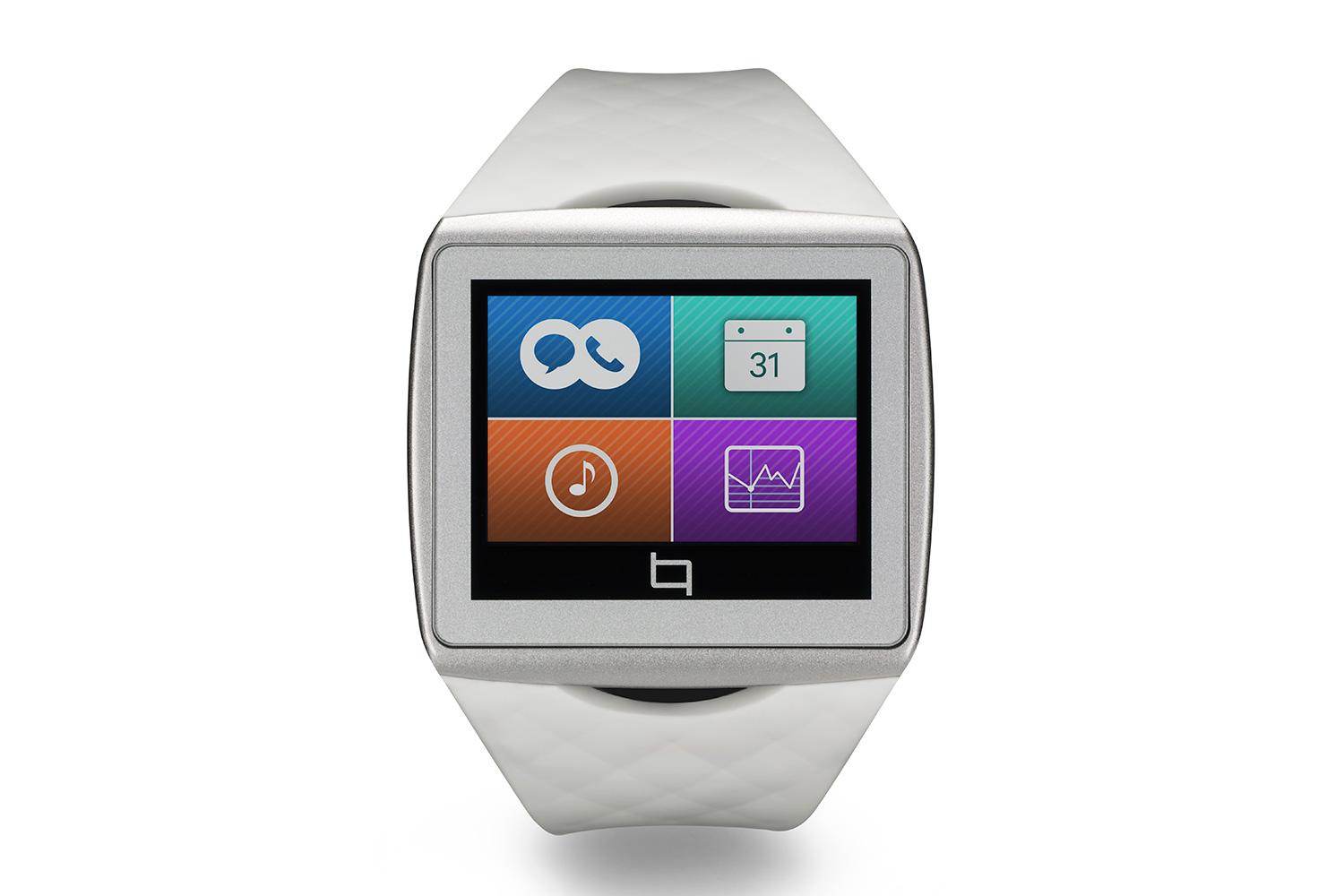
Though a bunch of smartwatches are available to buy, like 3D TVs, we don’t think they are going to take off on buzz alone. There is often a big discrepancy between what people like to read about on sites like Digital Trends, and what they are willing to pay for. Some people will buy them, but most of you are smart enough to realize that they aren’t fully baked yet. Gartner doesn’t think this will change until at least 2017.
“Users expect more than just more convenience from a new product category that claims to be innovative and priced at $200 to $300,” said Annette Zimmermann, principal research analyst at Gartner. “The same price will fund basic tablets with a good feature set. For the coming holiday season users are more likely to pick the basic tablet option rather than a smartwatch as the value proposition is clearer.”
That’s research analyst talk for: “People are going to buy tablets instead.”
Bottom line: Just buy a fitness band and a smartphone
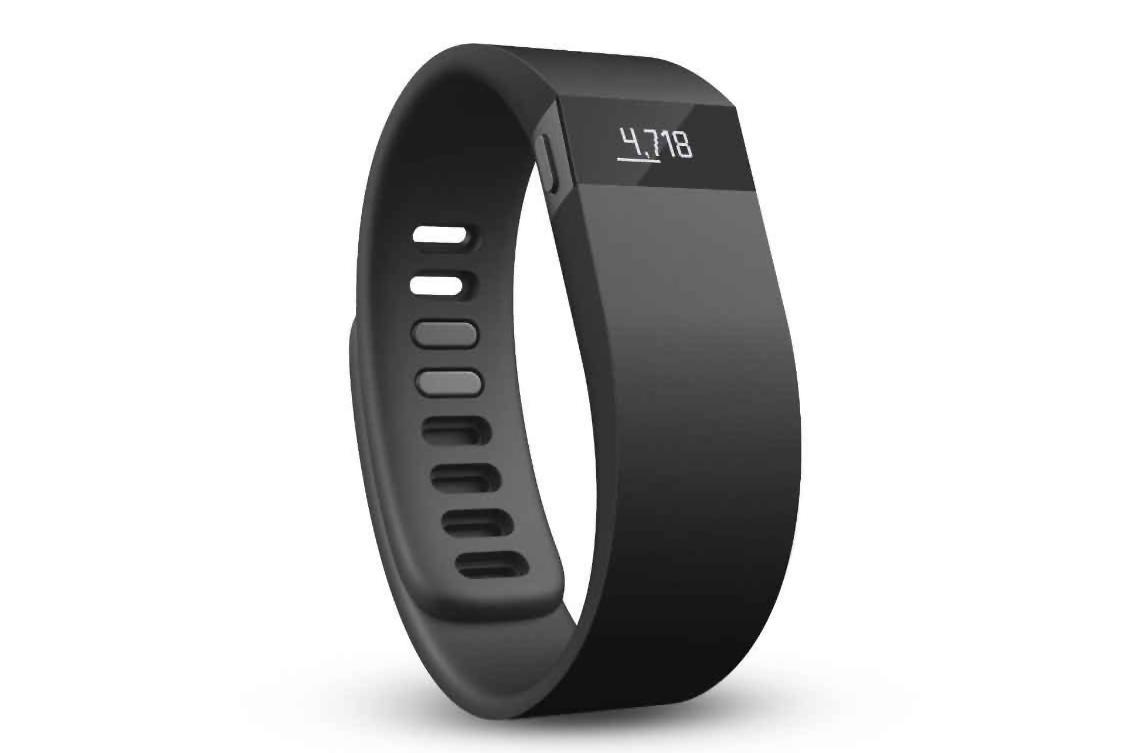
Until a company like Apple or Google steps up and shows a fascinating, useful vision for the smartwatch, we don’t think it’s going to make a big dent, nor do we think it’s worth hundreds of your hard-earned dollars. Instead, if you really want to wear more tech, maybe consider a Nike Fuelband or Fitbit and a great smartphone, like an iPhone 5S, LG G2, Galaxy Note 3, Nexus 5, or Moto X. Or skip the bands all together and just save up for a tablet. They aren’t very accurate anyway. In a year or two, come back and we’ll talk.
But if you’re really going to be a jerk about it, fine, get a Pebble. But don’t think you’re walking around with the future of tech on your wrist. There will be a few Pebbles before a smartwatch comes out that everyone wants, and by then it will probably be called an iWatch.