1. Home
  2. Computing
  3. Legacy Archives

Best computing product of 2013: 13-inch MacBook Pro with Retina Display

Add as a preferred source on Google

For some time now, the MacBook Pro has been the gold standard among laptops. With strong performance, battery life and a sleek design, it seemed to have it all – including a steep $1,499 introductory price tag that sent many aspiring buyers running for a cheaper PC equivalent. By opting for Windows, buyers could spend as little as $500 for a budget unit, or score a better equipped mobile business and gaming rig for their $1,499. Though Apple MacBook Pros have consistently scored well in reviews, the asking price simply made them less competitive.

This year, however, Apple set out to soften the blow on your bank account while also maintaining virtually every other quality that has made the MacBook Pro such a winner in the year. Though multiple new MacBook Pros were released this past October, our pick for Best Computing Product of 2013 is the 13-inch MacBook Pro 13 with Retina which costs $1,299; a $200 price cut when compared with the previous generation.

Recommended Videos

There’s more to this package than a price reduction, though. The new 13-inch MacBook Pro 13 with Retina is also slimmer and lighter than the previous version, provides a superb keyboard, and solid components across the board in the form of a 2.4 GHz Intel Core i5-4258U processor, 4GB of RAM and a 128GB SSD. What’s more, it’s battery life results were up there with the best Ultrabooks – 6 hours and 23 minutes in the Peacekeeper browser-based benchmark, and over 20 hours when left idle. And let’s not forget the 2,560 x 1,600 Retina display, which produces images that look extremely sharp and colorful.

All of these attributes and more, combined with the $200 price cut, makes the $1,299 13-inch MacBook Pro 13 with Retina our pick for the Best Computing Product of 2013.

Read our review of the 13-inch MacBook Pro 13 with Retina here.

Konrad Krawczyk
Former Computing Editor
Konrad covers desktops, laptops, tablets, sports tech and subjects in between for Digital Trends. Prior to joining DT, he…
1Password lets Claude inside your accounts without handing over the keys
Claude can now sign in on your behalf while your password stays hidden, though trusting it after login is a separate decision
1Password official

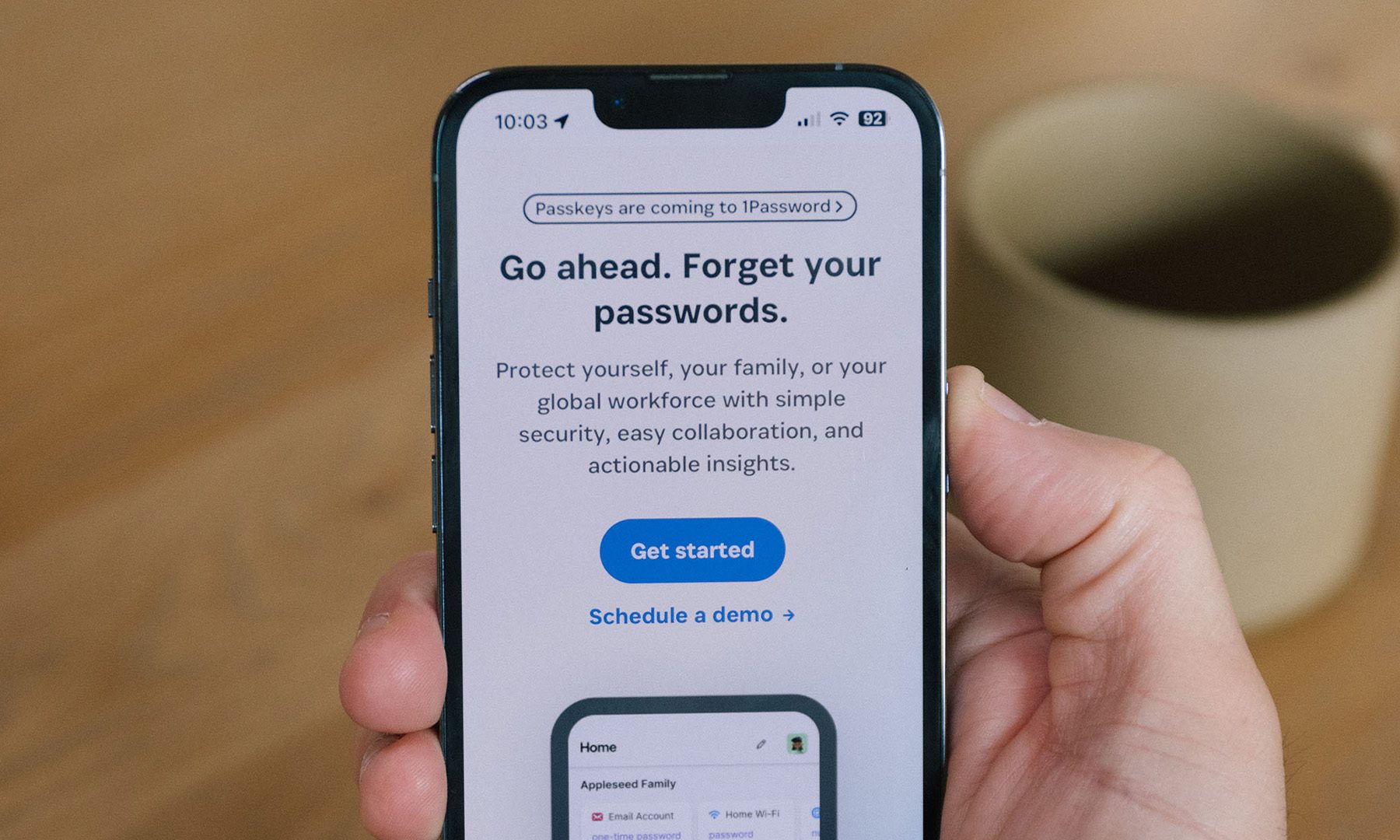
1Password is giving Claude a way into your online accounts without making your passwords part of the bargain. The new 1Password for Claude integration can fill login details while keeping the credentials hidden from Anthropic’s AI agent.

Available now on Mac, the feature kicks in when Claude reaches a sign-in page during a task. Claude requests a saved login, then you approve or deny it. If approved, 1Password submits the credentials through a separate encrypted channel. Passwords and one-time codes never enter Claude’s context or Anthropic’s systems.

Read more
New open-weight AI from China is toppling the best of OpenAI and Claude Fable
Moonshot’s 2.8-trillion-parameter Kimi K3 beats Fable 5 and GPT 5.6 Sol in select benchmarks
Art, Drawing, Plant

China's Moonshot AI has launched Kimi K3, a massive 2.8-trillion-parameter model built for coding, research, reasoning, and visual tasks. Moonshot admits K3 still trails Claude Fable 5 and GPT 5.6 Sol overall. Even so, its benchmark results put it surprisingly close to both, and it finishes ahead in several tests.

How close is Kimi K3 to the best closed models?

Read more
Gemini could finally let you choose how friendly it sounds
Finally, you can stop Gemini from sounding like your HR manager
Google Gemini

Google has spent the past few months making Gemini sound more natural, expressive, and conversational. Now, it appears the company is preparing to give users far more control over how the AI speaks.

Code spotted by Android Authority's APK Insights - the latest beta version of the Google app suggests Gemini may soon allow users to customise its voice across four separate parameters: Energy, Formality, Warmth, and Speed. Instead of choosing from a fixed list of personalities, users could tweak these characteristics to create a voice that better suits their preferences.

Read more