
Is 2013 over yet? Because I’m really ready for it to be over. I know, I know – it’s New Year’s Eve. Time to wash away the sludge and slime that built up over the past 12 months and start from a sparkly clean slate. Time to be optimistic! But man, 2013 has been a doozy. It hasn’t been all bad, of course. Nor could I call 2013 a “lost year for tech,” as others have so hopelessly put it. Still, somehow, the world of technology feels both blander and more frightening than it did a year ago. And it is this troubled state from which we bound forth into a new year. Let’s hope 2014 gives us an opportunity to remedy some of these ways technology took us off the rails in 2013.
Trust, we hardly new ye
Tempting though it may be to dismiss the NSA revelations leaked by Edward Snowden as yesterday’s news, their effects will reverberate throughout society for at least the next 12 months. Chief among the consequences is a blossoming lack of trust in both consumer technology companies and the Internet itself. We now know what the tin-foil-hat crowd has long suspected: Digital communications are inherently unsafe. This inconvenient truth will add new reasons to question the emerging technologies we adopt in 2014 and beyond. And no matter which side of this debacle you’re on, it sucks.
We now know what the tin-foil-hat crowd has long suspected, that digital communications are inherently unsafe.
US technology companies know this all too well – so well, in fact, that they have virtually begged the federal government to chill out with its whole dragnet spying operations before business really begins to spin down the crapper. Not only did some of the largest American tech firms – Google, Microsoft, Facebook, Twitter, Yahoo, AOL, LinkedIn, and Apple – write an open letter to the Obama administration pleading for it to change its spying ways, but their top executives trekked all the way to the White House just to make sure the president got the message.
The hardest numbers we have to show how US spying has hurt the US tech business comes from a recent study by Argus Research, which found that IBM and Cisco sales dropped by $1.7 billion year-over-year in the Asian market alone. And things aren’t looking great in other regions either. As Argus analyst James Kelleher tells The Independent, sinking sales numbers are “because of the NSA revelations.”
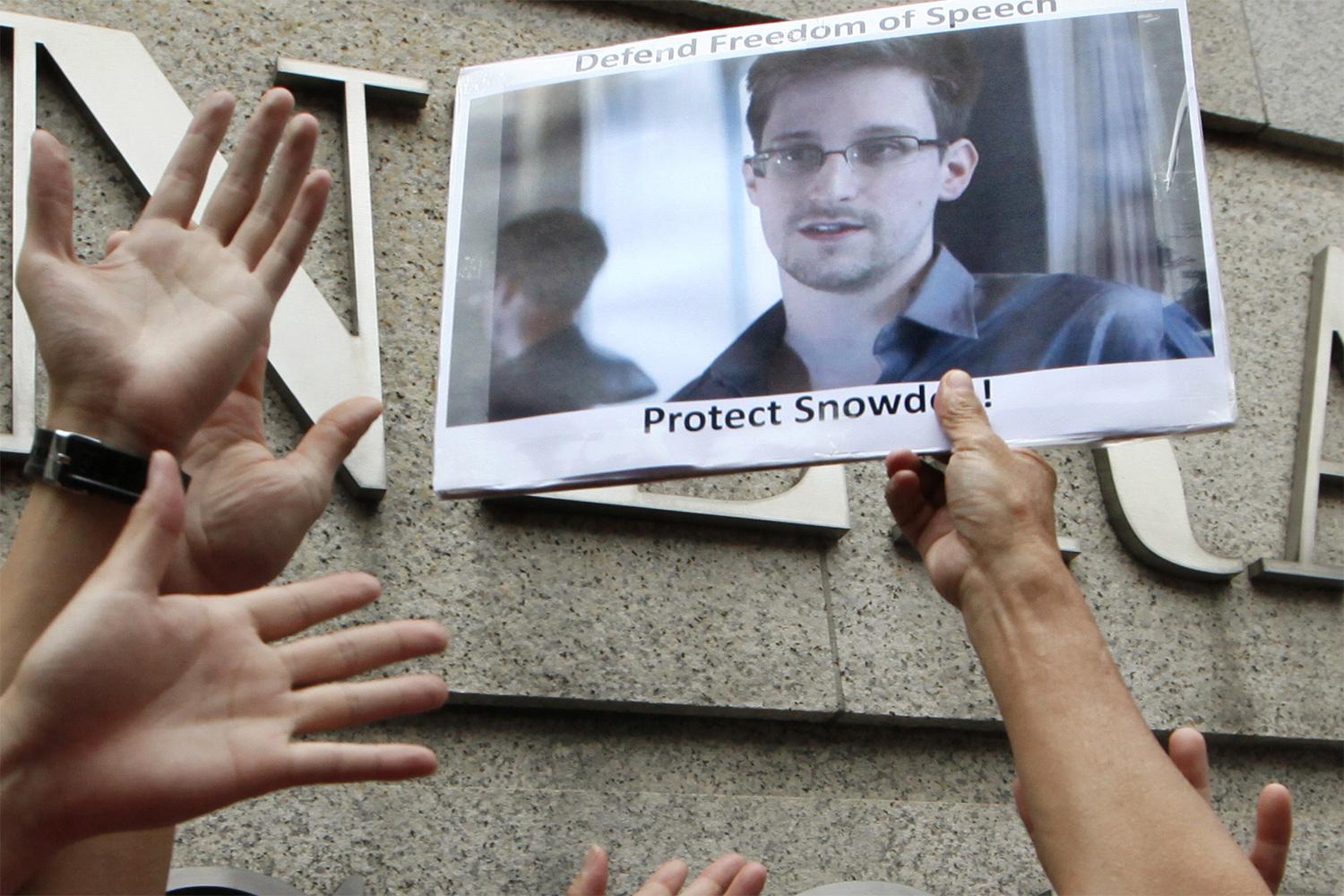
If you think these kind of numbers are just a temporary blip, or that tech firms are simply playing the privacy card as marketing maneuver, think again. Privacy issues will only grow in importance over 2014 among consumers, I believe. Plus, because of the NSA’s activities, the US may very well lose what control it has over the Internet – the lifeblood of all the services, gadgets, and gizmos that we use today – and that could put a serious damper on US companies’ plans to further dominate the connected world.
Will we all suddenly stop using Apple and Google products? Of course not. But we may seek out alternatives when we can, in ever-growing numbers. And US tech companies will need to figure out a way to stop the bleeding trust in whatever ways they can muster. So, yeah, good luck with that.
Wearable and worrisome
On top of the challenge of convincing consumers that they aren’t being played like a fiddle, tech companies must continue to create products people can’t wait to use. These days that means mobile innovation – the devices and apps that, as Google Executive Chairman Eric Schmidt recently said, have already “won” the world of computing. But the future of mobile, wearable tech, so far looks abysmal.
Sure, Google appears poised to change the bleak outlook for wearable tech in the coming months with the public rollout of Google Glass – a device that gave people the creeps even before we knew what the NSA has been up to. And while that could change once more people are out there diddling with their fancy specs, the reports so far encourage no one.

“People get angry at Glass. They get angry at you for wearing Glass. They talk about you openly,” writes Wired’s Mat Honan, who spent 2013 using Google Glass. “It inspires the most aggressive of passive aggression. … They just call you an asshole.”
Can’t wait for that!
Who’s driving this thing?
So far, my lamentations have focused on the challenges for technology companies – to regain our trust, and ignite our interest in the wearable tech movement that is destined to dominate 2014, for better or worse. But screw them. What about us, the people who rely upon this technology to work and play? Our task is to regain some control over this freight train that’s barreling into the future – and I’m not sure we have a chance to get behind the wheel. (Do trains even have steering wheels?)
We can switch to new apps, social networks, and other services, but the behemoths can – and will – just buy them up.
As Buzzfeed’s John Herman wisely pointed out, 2013 was the year that “megaplatforms” – Google, Facebook, Twitter, even Yahoo – took complete control of the Web (and, I would argue, the entire Internet, mobile or otherwise). Sure, we can switch to new apps, social networks, and other services, but the behemoths can – and will – just buy them up. In turn, they will have access to even more our data to do with what they please.
Which brings me to my final complaint: Most of us haven’t a clue how all this data we’re sharing is being used. We know all about targeted advertising and customized search results. But what’s next? And where does it stop? We don’t know. And it doesn’t stop. The so-called Internet of Things, which is expected to grow exponentially in the coming years, will give these companies access to not just our Web habits, but information about everything we do – when we make coffee in the morning, clean the refrigerator, or change our babies’ diapers. Nothing in life will go unmonitored – if not by NSA analysts, then some algorithm in some a desert data center. And that data will be used to make predictions about our lot in life in ways we have so far failed to imagine.
A glimmer of hope
If I have one hope for 2014, it’s that all of the sludge that rained down upon us during 2013 mucks up the mechanisms of the status quo enough that all of us – from Google on down to you and me – take a look at the rocky road we’re blasting down today, and decide to veer off on a less tumultuous path. Perhaps the NSA revelations really will push tech firms to embrace privacy anew. Perhaps our collective shrug at the prospect of wearable tech will inspire these companies to create devices that solve problems bigger than the hassle of reaching into our pocket and holding something in our hands. And perhaps we will collectively wake up to the fact that it’s not just the NSA using our data in ways we never really agreed to, and start acting more prudently with our Internet-connected lives. Perhaps 2014 will be the year that changes technology for the better. I certainly hope so – 12 months is a long time to hold your breath.


