1. Home
  2. Computing
  3. Audio / Video
  4. Legacy Archives

Hauppauge unveils new multi-standard TV receiver for Windows, Linux PCs

Add as a preferred source on Google

Hauppauge, which specializes in making TV receivers and personal video recorders for PCs, has announced the WinTV-HVR-1975, a multi-standard TV receiver built for use with computers running either Windows or Linux.

The WinTV-HVR-1975 can be used in either North America or Europe, as it supports both the NTSC standard used here in the states, as well as PAL TV, which is employed in Europe. Other standards supported by the WinTV-HVR-1975 include ATSC HD, QAM digital cable, DVB-T, DVB-T2 and DVB-C broadcasting standards.

Recommended Videos

Every one of Happauge’s receivers in the WinTV-HVR-19XX line, including the WinTV-HVR-1975, features hardware-based video encoders that convert both NTSC and PAL TV broadcasts into MPEG-2 format, which, according to Happauge at least, reduces the load placed on a system’s CPU.

“Our professional TV receiver customers have been looking for a universal TV tuner for Europe and North America, and the WinTV-HVR-1975 supports the most popular TV formats used in both regions. For example, the DVB-C TV format is used in many European countries for digital cable TV, and DVB-T2, the new high definition over-the-air broadcast format which started in the UK, is now spreading throughout Europe including Russia. Coupled with the support of NTSC, PAL, ATSC and DVB-T, the WinTV-HVR-1975 delivers a TV receiver which is as close to universal as possible,” said Ken Plotkin, President of Hauppauge.

Hauppauge confirmed with us that the WinTV-HVR-1975 will have both 32-bit and 64-bit drivers available, and support every version of Windows between XP and 8.1. Hauppauge also informed us that the receiver will carry a price tag of $129.

What do you think? Sound off in the comments below.

Konrad Krawczyk
Former Computing Editor
Konrad covers desktops, laptops, tablets, sports tech and subjects in between for Digital Trends. Prior to joining DT, he…
The old internet built a museum for dying tech sounds, and it’s somehow still alive
The wonderfully dated site has outlasted many of the noisy gadgets it was created to preserve
Camera, Electronics, Art

Before our gadgets became silent glass rectangles, they complained constantly. Dial-up modems screeched through every connection, while dot-matrix printers sounded like they were slowly chewing through the desk.

The Museum of Endangered Sounds keeps that irritating soundtrack alive. It first appeared in 2012, but the site is still online 14 years later, inviting visitors to hear technology that has mostly disappeared from everyday life.

Read more
This Mac app can turn every window into a CRT fever dream or a nostalgic Game Boy
Apple doesn't let offer wacky customization on Macs, but Glaze has got you covered.
Glaze 1.9

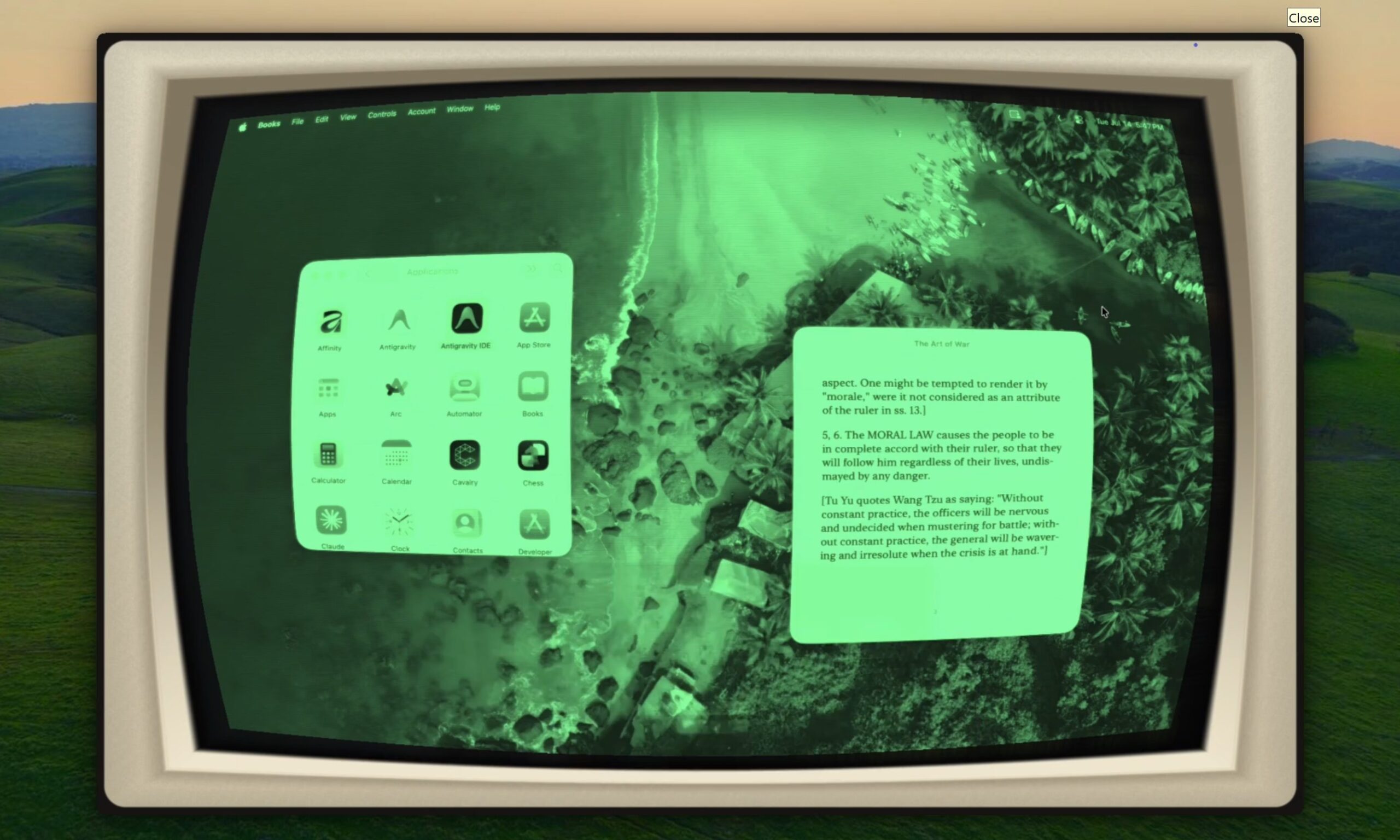
If you're tired of only being able to customize your wallpaper, accent colors, and other basic aspects of your MacBook, an indie called Glaze could be something you might want to try out. The latest release, Glaze 1.9, can transform your Mac's entire live display using more than 50 GPU-powered visual effects. Those include convincing recreations of CRT monitors, Game Boy screens, worn VHS tapes, comic books, oil paintings, old film, vintage paper, and even Sony's Trinitron displays.

Your Mac can finally cosplay as a CRT

Read more
Microsoft wants to stop screenshot leaks, one Edge tab at a time
Sensitive PDFs are getting screenshot protection, exclusively in Microsoft Edge
Microsoft Edge on a phone

Microsoft is looking to improve the privacy protection of your sensitive PDFs by closing one of the more obvious loopholes in its document protection system. It is also giving businesses another reason to keep Microsoft Edge firmly installed.

Starting next month, OneDrive and SharePoint will block screen captures when users open certain sensitivity-labeled PDFs through their web viewers in Microsoft Edge. The restriction applies to enterprise organizations using Microsoft Purview Information Protection rather than ordinary personal OneDrive accounts.

Read more