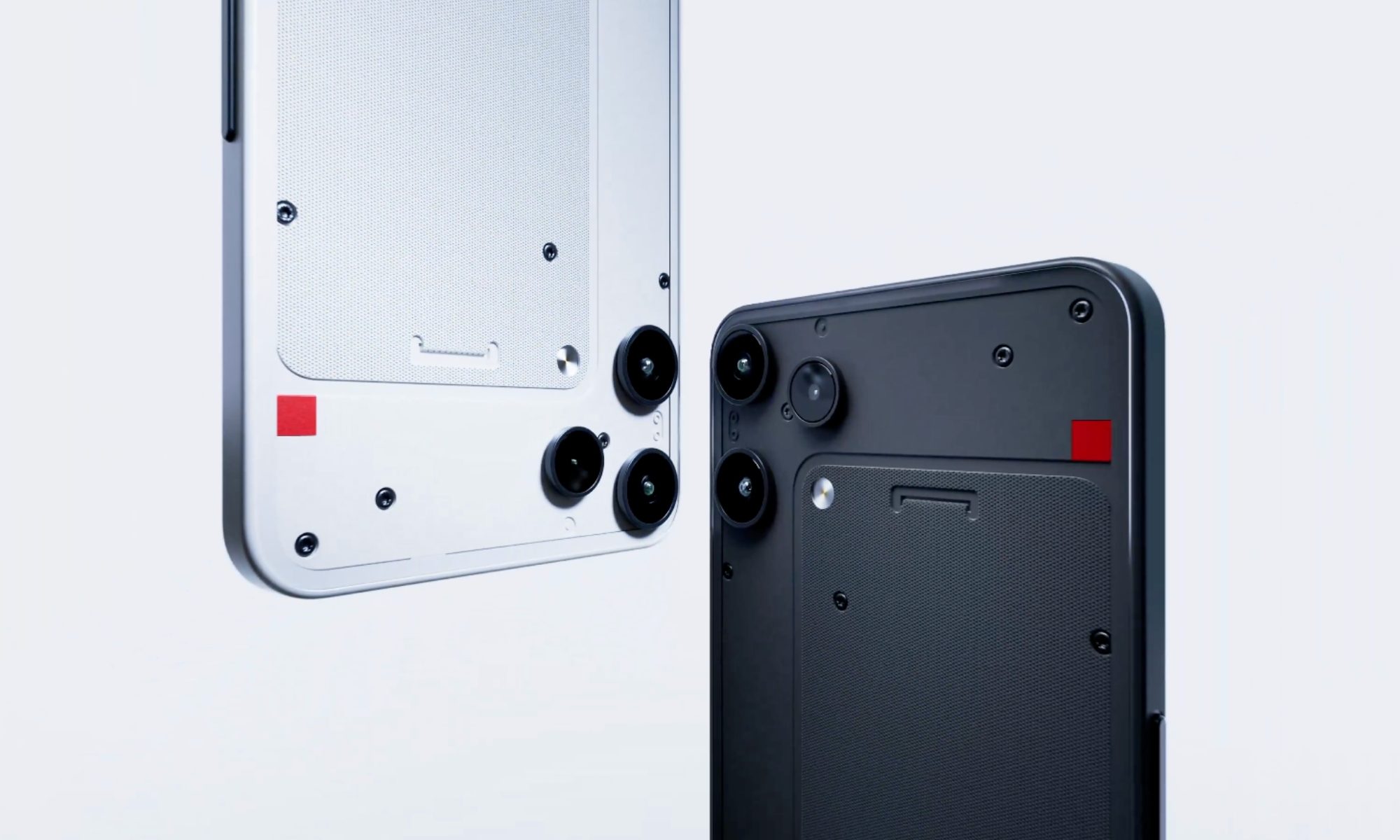
What’s happened? Carl Pei’s Nothing has unveiled its first affordable smartphone. While it carries the company’s signature design and familiar specs, the handset stands out for an unusual, somewhat surprising strategy aimed at keeping the price low.
- The Nothing Phone (3a) Lite is a rebranded version of the CMF Phone 2 Pro, which the company released earlier this year.
- It features a 6.77-inch FHD+ 120Hz AMOLED screen, an octa-core Dimensity 7300 chipset, a 50MP (f/1.88) primary camera (part of a triple-camera setup), and a 5,000 mAh battery that supports 33W wired charging.
- The baseline variant of the Phone (3a) Lite, with 8GB of RAM and 128GB of storage, will be available in the United Kingdom from November 1, 2025, for £249. However, the phone is not coming to the United States.
Why is this important? The Phone (3a) Lite serves as a cautious, cost-effective addition to Nothing’s 2025 lineup, essentially reusing the specs and design of an existing model.
- To stand out, the smartphone features the brand’s signature transparent back design. However, instead of featuring a Glyph Interface, it includes a single Glyph Light.
- To further reduce costs, the company has opted to include pre-installed apps (such as Facebook and Instagram) and lockscreen ads — called Lock Glimpse — which can be turned off in settings.
- Nothing has also replaced the 50MP (f/1.9) telephoto camera with a 2MP (f/2.4) macro shooter.
Why should I care? Nothing has become one of the more recognizable names in the smartphone industry, thanks to its distinct design language and community-driven approach.
- In the past, the company has avoided including bloatware or low-resolution macro sensors on its smartphones — or those made by its sub-brand CMF.
- Given that history, the Phone (3a) Lite’s compromises may disappoint some fans and potential buyers, especially those in the U.S.
- Still, the handset offers solid value for its price, running Nothing OS 3.5 (based on Android 15), with a promise of three major Android updates and six years of security patches.