What’s happened? More than half a dozen U.S. federal departments and agencies, including the United States Department of Commerce, the United States Department of Defense, and the United States Department of Homeland Security, have backed a plan to ban future sales of TP-Link networking equipment in the United States over national security concerns. As reported by The Washington Post, the inter-agency risk assessment concludes TP-Link’s U.S.-based entity could still be subject to Chinese government influence due to its legacy ties to China-based TP-Link Technologies.
- The inter-agency risk assessment concludes TP-Link’s U.S.-based entity could still be subject to Chinese government influence due to its legacy ties to China-based TP-Link Technologies.
- TP-Link holds a massive estimated share of the U.S. home router market, with some estimates going as high as 50-65%.
- The government has yet to announce the ban formally. If enacted, the company would likely receive a 30-day notice and opportunity to respond under the rules.
- In a response to The Independent, TP-Link strongly disputes the allegations, calling the claims “baseless” and emphasising its U.S. entity is independent, with no government access to its systems.
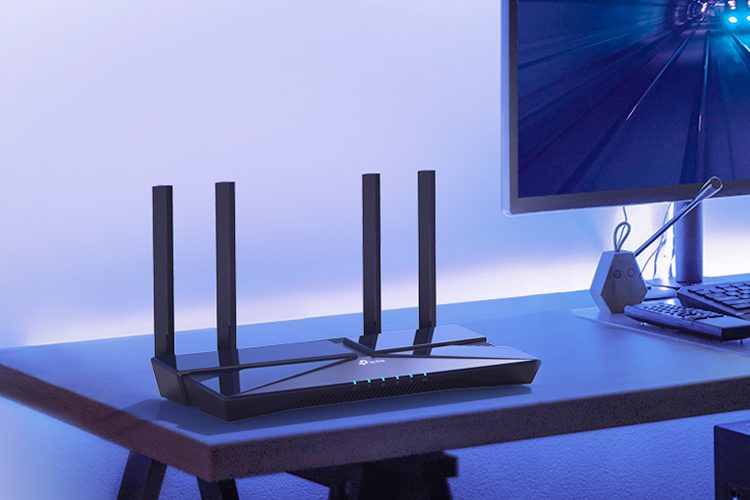
Why this is important: TP-Link’s situation highlights a broader shift: the U.S. government is taking a harder stance on companies with past or present ties to China, especially when their products dominate U.S. households. The scrutiny mirrors past actions involving Huawei and ZTE, where geopolitical tension, data-handling practices, and supply-chain transparency drove regulatory pressure.
For TP-Link, a potential sales ban would jeopardize its status as the #1 router brand in the U.S. retail market, signaling that networking devices, which were once overlooked by policymakers, are now a frontline security concern. It also serves as a warning shot to other consumer electronics firms. As such, one can expect deeper inspections of data practices, firmware security, and ownership structures moving forward.
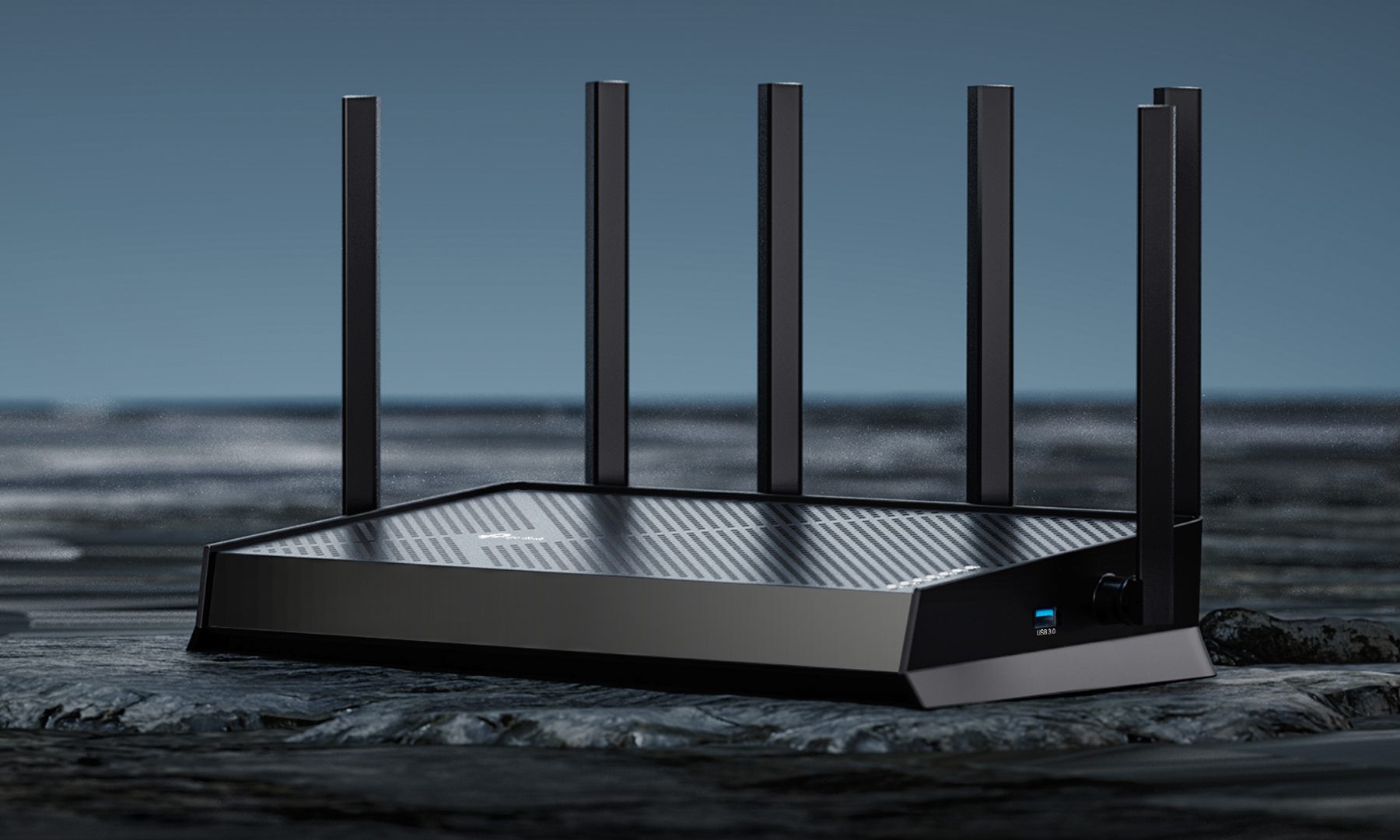
Why should I care? If you use a TP-Link router, or are planning to buy one, a formal ban could abruptly disrupt product availability, software support, and future warranty service. Because TP-Link is one of the most affordable and common router brands in the U.S., a sales halt might cause price spikes among alternatives and push buyers toward unfamiliar options. Furthermore, even if your router keeps working, long-term support or security updates could become uncertain, making this a situation worth monitoring.
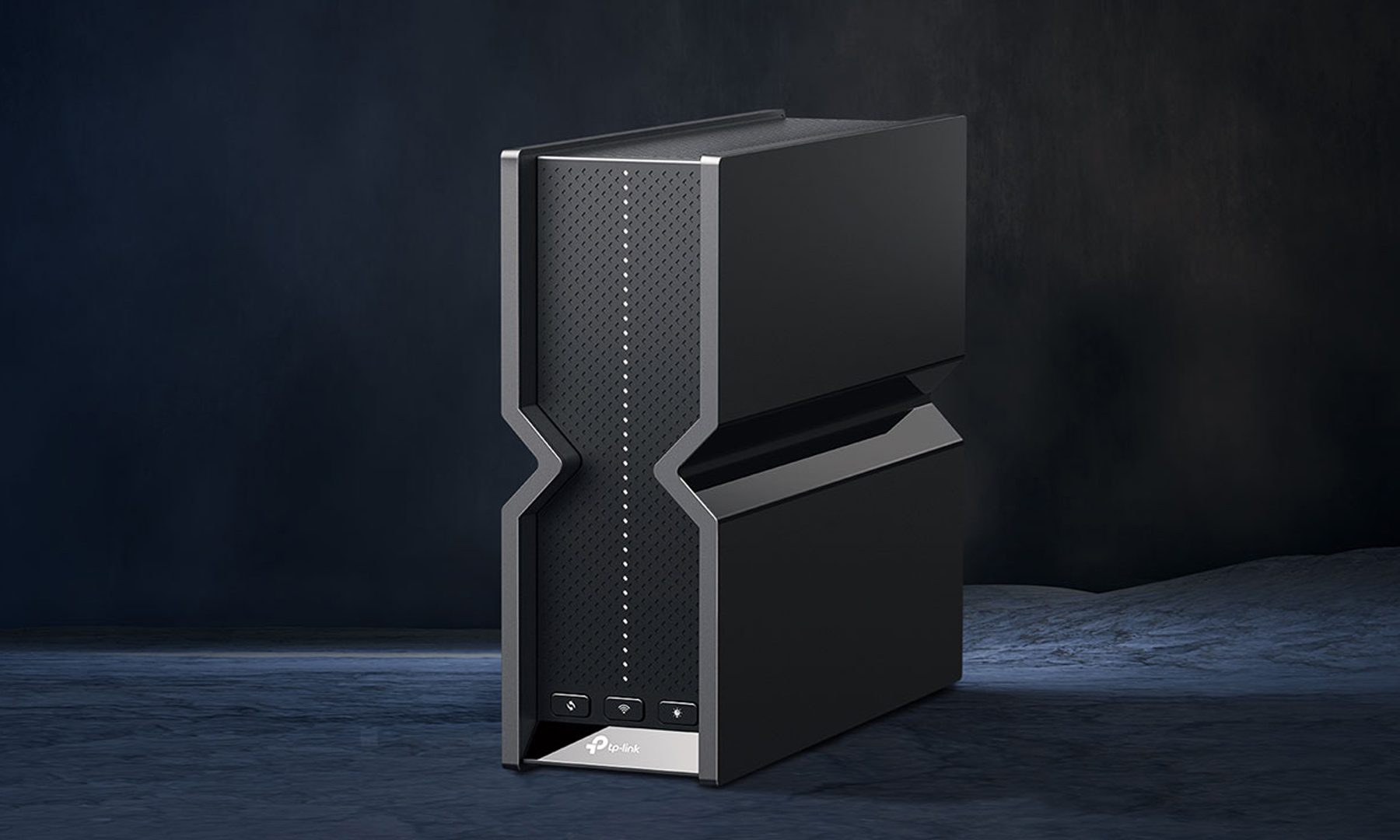
Okay, so what’s next? The Commerce Department now has to decide whether to enact a full sales ban or pursue alternative safeguards, such as third-party security audits or domestic manufacturing requirements. Of course, the department must first formally notify TP-Link of the proposed action. TP-Link will then have 30 days to respond, after which Commerce gets another 30 days to review the company’s arguments before issuing a final decision.
According to the Post’s unnamed sources, Commerce has already determined that nothing short of a full ban would adequately address national-security concerns tied to TP-Link’s China-based operations, though this has not yet been officially published. In the meantime, everyday users don’t need to panic, but basic precautions should be taken to protect your router from hackers: keep your router firmware up to date, change default passwords, and turn off unused remote-management features. Those steps help mitigate risks across any brand while the situation develops.