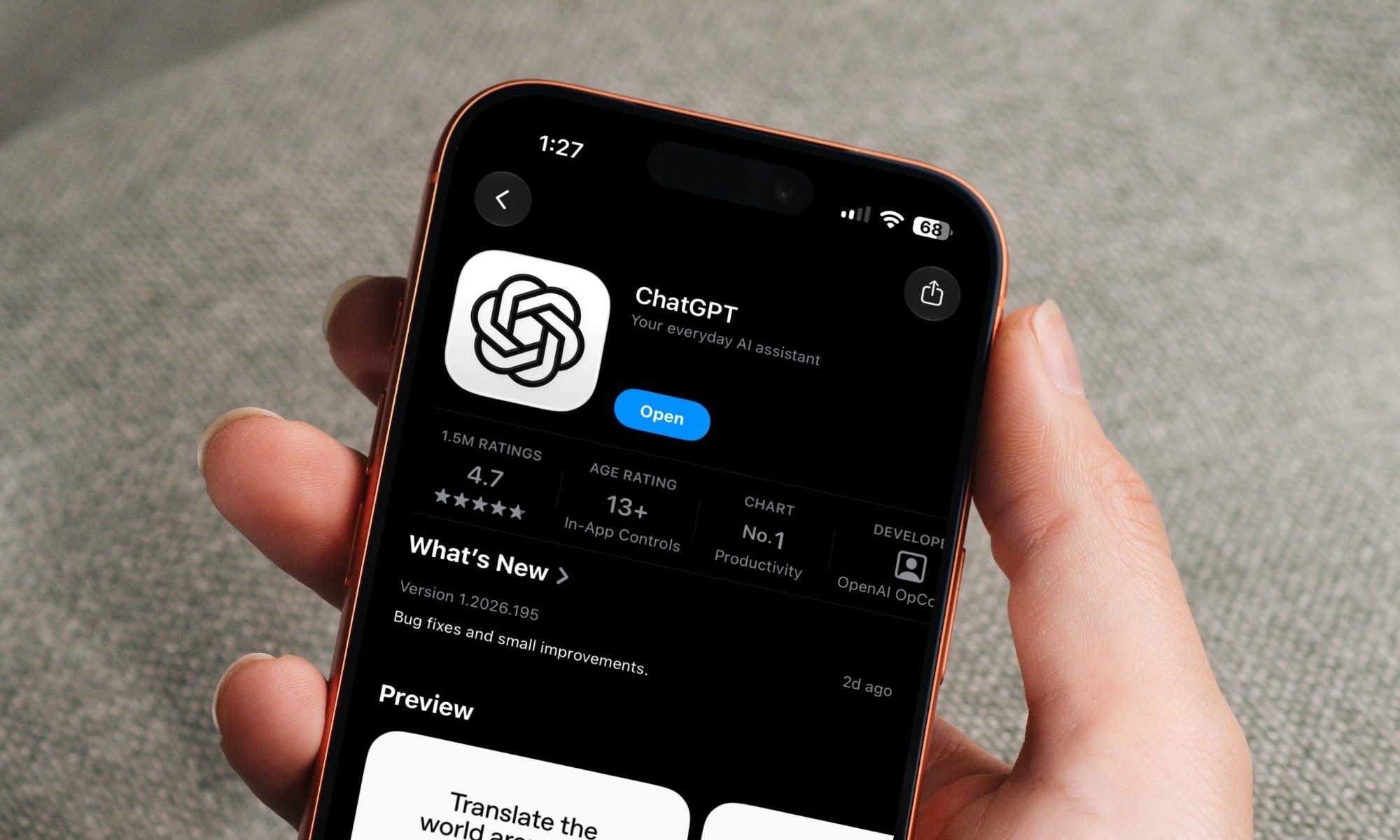
Barnes & Noble is striking back at Amazon.com and its popular Kindle electronic reader with the Barnes & Noble eBookstore. The company is touting the bookstore as the world’s largest, offering more than 700,000 titles (including bestsellers and new releases), and—unlike Amazon or Sony—Barnes & Noble is going for a multi-platform approach, announcing support for the iPhone/iPod touch, BlackBerry devices, and regular Macs and PCs right out of the gate. And, when Plastic Logic‘s forthcoming 8.5 by 11-inch eReader ships (currently expected in 2010), Barns & Noble will be the device’s exclusive eBookstore provider.
“Today marks the first phase of our digital strategy, which is rooted in the belief that readers should have access to the books in their digital library from any device, from anywhere, at any time,” said BN.com president William J. Lynch, in a statement. “We want to make eBooks simple, accessible, affordable, and convenient for everyone.”
Barnes & Noble is also rolling out a new version of its eReader application, which it got with its acquisition of FictionWise earlier this year, which enables readers to not only control the display of eBooks (text size, bookmarks, and more) but also manage their eBook libraries and tap into their eBooks from any supported device: users can more from reading on a notebook computer to a smartphone, for instance, or move from a smartphone to an eReader gizmo in the evening.
Barnes & Noble’s eReader catalog is seriously bolsters by more than half a million public domain books from Google, all of which can be downloaded and read for free. New releases and best sellers will start at around $9.99 for a digital version—pricing that’s penny-aligned to Amazon.com’s eBook pricing. Barnes & Noble says it plans to grow its eBook selections to over a million titles within a year.
While Barnes & Noble’s ebook offerings will work on a range of devices—and, if the Fictionwise acquisition keeps going as promised, expect Android support soon—one thing that’s missing for the existing eBook market is support for Sony and Amazon’s existing eBook platforms. Folks who have yet to embrace the eBook business might find Barnes & Noble’s offer compelling, but earlier adopters who’ve already embraced the Kindle or Sony’s eReader are kind of stuck, unless they want to juggle multiple services and devices.