1. Home
  2. Smart Home
  3. Legacy Archives

News Corp Planning to Charge for News Web Sites

Add as a preferred source on Google
News Corp Planning to Charge for News Web Sites
Image used with permission by copyright holder

Rupert Murdoch’s News Corp released its financial numbers for its fourth fiscal quarter of 2009 (PDF), and the results weren’t great: the company reported profits down 8 percent in 2009 compared to 2008, and Murdoch characterized the year 2009 as “the most difficult in recent history.” And what’s News Corp’s plan to stop the hemorrhaging? The company plans to lock most of its news content behind so-called “paywalls” so that only paid subscribers may access its content.

The model follows News Corp’s system for the recently-acquired Wall Street Journal, which (aside from brief promotional periods) only lets the full content of premium articles—mostly financial and business news—be accessed by paid subscribers. The model is generally viewed as one of the most successful paywalls in the industry, due to the clout of the Wall Street Journal’s content and the creditability it carries with its readers. News Corp hopes to successfully extend the practice to a number of newspapers it owns throughout the world, potentially including The New York Post and the UK papers The Times and News of the World.

Recommended Videos

Murdoch also indicated News Corp plans to initiate aggressive procedures to protect its copyrighted content from unauthorized distribution. The move mirrors recent actions by the Associated Press, which has begun using software-based monitoring systems to detect when unauthorized versions of its copyrighted material appear on the Internet.

The move is risky: aside from the Wall Street Journal, paywalls have historically been unsuccessful, with outlets like Slate and even the New York Times failing to generate significant revenue by locking away their content only to paid subscribers. There’s no real indication everyday consumers are suddenly willing to pay for newspaper content they’re used to receiving for free via the Internet.

It’s also not clear whether Murdoch intends to block search engines like Google from indexing its content: currently, material behind the Wall Street Journal paywall is relatively accessible via search engines, and the WSJ permits the practice in order to generate traffic and (in theory) attract new subscribers.

Murdoch’s move comes as newspapers struggle to create new revenue streams and stay afloat in the Internet age. Many papers have attempted to make up deficits from declining subscriptions and print advertising revenue via online advertising, but so far the efforts have fallen short.

Geoff Duncan
Former Contributor
Geoff Duncan writes, programs, edits, plays music, and delights in making software misbehave. He's probably the only member…
Top Smart Home Upgrades Worth Making Before Your Summer Break
From outdoor monitoring to smarter front-door security, these EZVIZ devices combine smart protection with daily convenience
Person, Security, Electronics

Summer often brings a welcome change of routine for homeowners across Europe. Family holidays, weekend getaways, and longer days spent outdoors mean more time away and fewer opportunities to stay connected to what's happening back at the property. While it's a season for slowing down and enjoying the warmer months, everyday responsibilities don't simply pause. Deliveries still arrive, visitors may stop by unexpectedly, and trusted family members, cleaners, or pet sitters may occasionally need access while you're away.

Modern smart home technology makes those situations easier to manage. Today's connected devices can do far more than record footage or send motion alerts. They can help homeowners monitor outdoor spaces around the clock, stay informed about important activity, communicate with visitors remotely, and manage entry without needing to be physically present. Instead of constantly checking in or wondering whether everything is running smoothly back home, the right setup can provide greater visibility, convenience, and peace of mind throughout the season.

Read more
EZVIZ Sets a New Benchmark for Battery Powered Home Surveillance
Because every property deserves protection without compromise
Person, Security, Tape

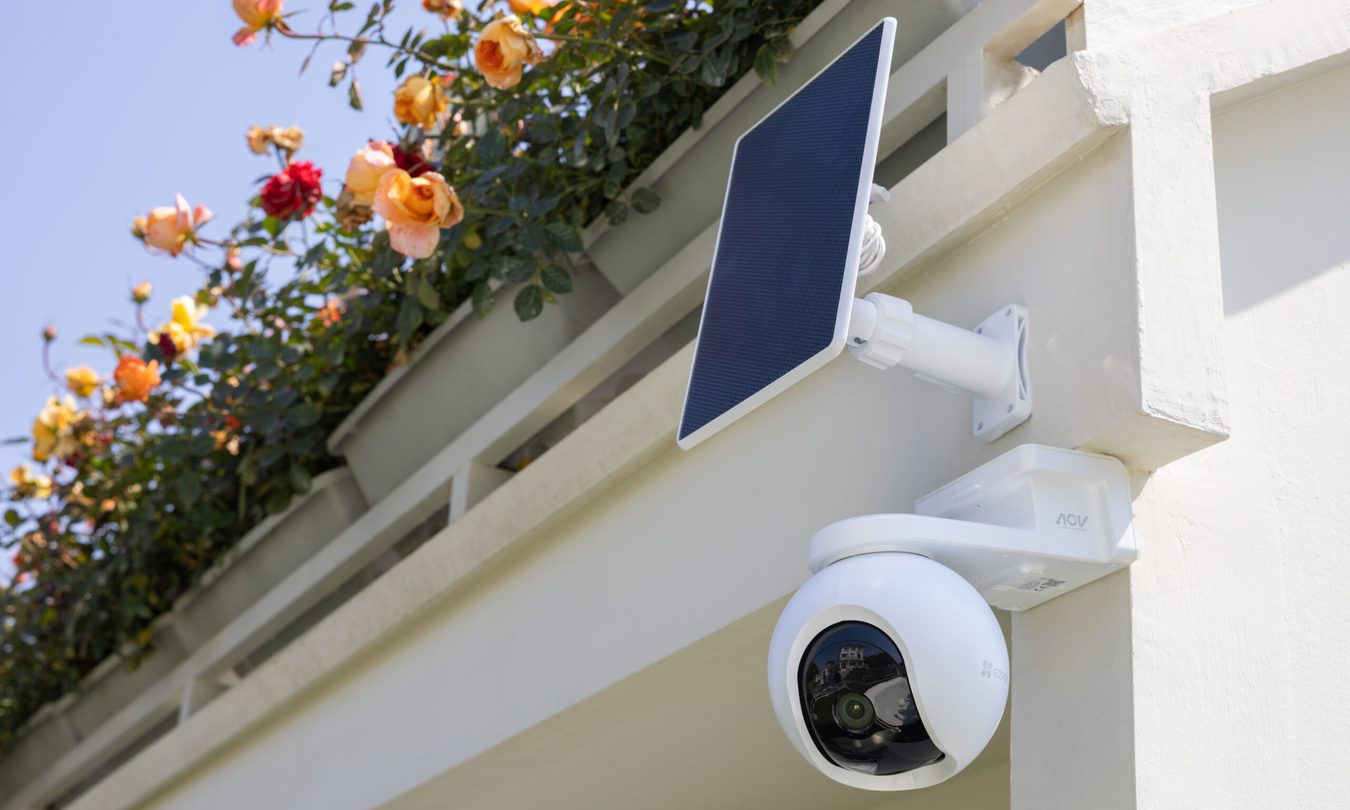
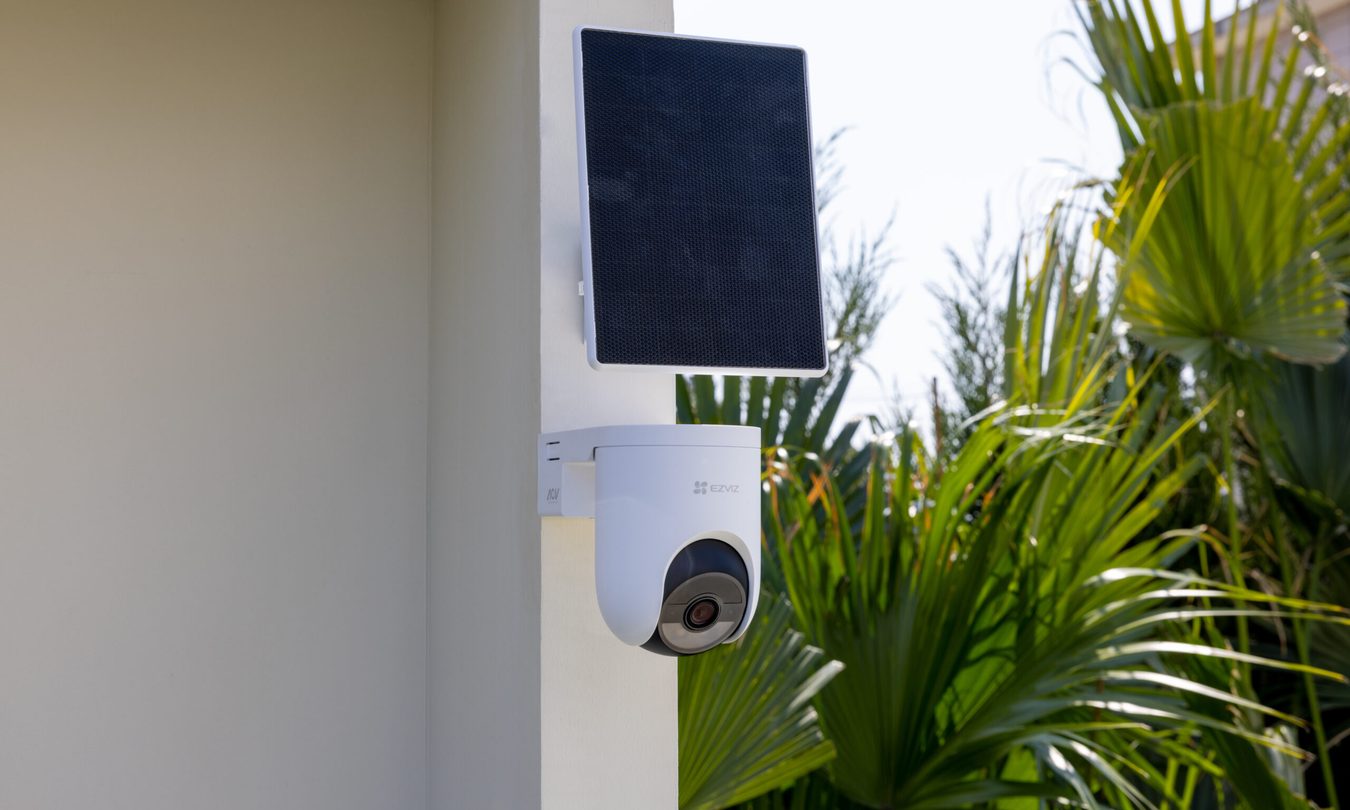
Battery-powered smart cameras have become one of the fastest-growing categories in home monitoring. Once valued primarily for their seamless installation, today's models combine advanced visual technology, AI-powered intelligence, and dependable long-term performance that rivals many traditional wired systems. As innovations such as Always On Video 2.0 and solar charging continue to improve everyday usability, battery cameras are becoming the preferred choice for homeowners seeking flexible, comprehensive outdoor protection.

This shift has also raised expectations. Modern users want more than clear video. They expect smart detection, reliable monitoring, seamless smart home integration, and solutions that adapt to different property sizes and lifestyles. As one of the world's leading smart home camera brands, EZVIZ has responded by building one of the industry's most comprehensive portfolios of battery-powered cameras. The lineup is designed to serve every living situation, whether for renters or owners of apartments, condominiums, or villas. From accessible options for everyday monitoring to advanced multi-lens systems for larger and more demanding environments, the portfolio reflects a strong focus on innovation, user-centric design, and real-world needs.

Read more
Beatbot AquaSense X review: The pool cleaner for those that want to be pampered
It's a nothing short of a self-cleaning nirvana for your pool. But as they say, nothing fine comes without a fittingly handsome fee.
Beatbot Aquasense X robot, AstroRinse station and iSkim

view at amazon

Quick take: 

Read more