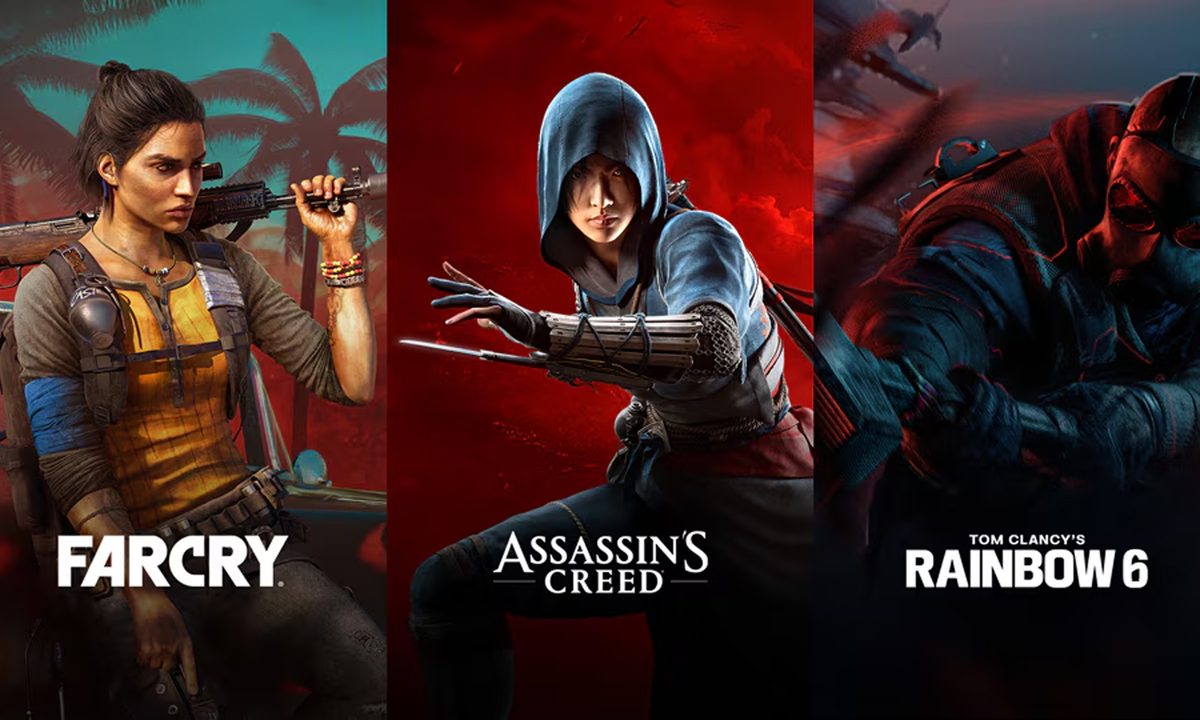
What’s happened? Ubisoft has announced that Tencent will invest €1.16 billion in cash into a newly formed subsidiary, Vantage Studios, which will oversee Ubisoft’s major franchises like Assassin’s Creed, Far Cry, and Rainbow Six. According to Reuters, the subsidiary is valued pre-money at around €3.8 billion (roughly $4.37 billion) and gives Tencent a 26.32% economic interest while Ubisoft retains majority control.
- The deal structure includes a minimum 5-year hold for Tencent unless Ubisoft loses control, and Ubisoft must retain majority for at least two years.
- Ubisoft plans to use part of the cash to pay down debt and shore up its balance sheet amid a breach in a key debt covenant.
- Vantage Studios will develop games tied to Ubisoft’s top IPs, centralising strategy and creative investment in one unit.
- Ubisoft stressed that while the financial injection is significant, it retains “exclusive control” over Vantage Studios.
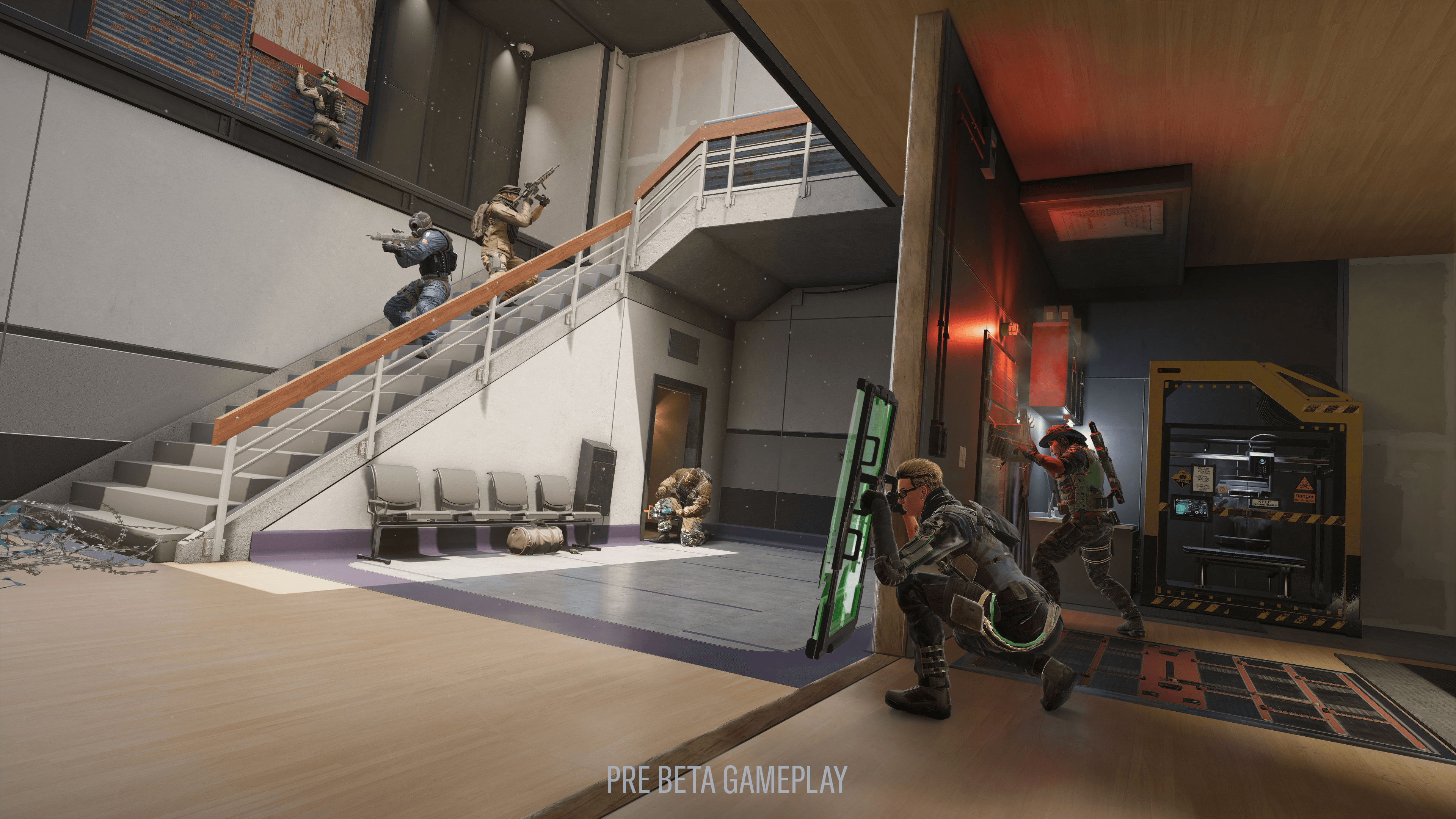
Why this is important: This deal matters because it affects Ubisoft’s biggest and most recognisable franchises that define the company’s global footprint. Vantage Studios will oversee the development of AAA IPs like Assassin’s Creed, Far Cry, and Rainbow Six. These series require enormous budgets and long development cycles, and the new structure helps Ubisoft stabilise funding while keeping creative direction in-house.
- With more capital behind Assassin’s Creed and Far Cry, future entries could feature larger maps, deeper systems, and more polished launch states.
- Franchise roadmaps could accelerate as Vantage Studios centralises decision-making and resource allocation.
- For the industry, having a major Chinese partner attached to Western blockbuster IP hints at an evolving landscape of globalised game development.

Why should I care? If you’re a fan of Ubisoft’s flagship series, this deal touches the games you actually play and not some abstract business shift. Bigger funding may help Assassin’s Creed return to more ambitious historical worlds, give Far Cry the tech jump it needs, or help Rainbow Six keep pace with the live-service competition. At the same time, the involvement of a major partner like Tencent raises questions: will these franchises lean even harder into live-service mechanics? Will global audience pressure shape mission design, monetisation, or storytelling? These are the franchises millions care about, and this deal could reshape how they evolve, how long they last, and what kind of player experience they prioritise going forward.

Okay, so what’s next? Over the next few months, the big thing to watch is how Ubisoft actually puts Vantage Studios to work. We should start seeing clearer roadmaps for Assassin’s Creed, Far Cry, and Rainbow Six, along with hints of how budgets, timelines, and creative direction might shift under the new structure. Tencent’s involvement could also influence regional releases or live-service plans, so expect more clarity as production ramps up. For now, it’s mostly a waiting game, but the next wave of Ubisoft announcements will tell us exactly what this partnership means for the games you care about.