1. Home
  2. Audio / Video
  3. News

TDM unveils Neo Hybrid headphones that twist into a speaker at CES 2026

These headphones literally can’t decide what they want to be

Add as a preferred source on Google
TDM Neo Hybrid
TDM
CES 2026
Read and watch our complete CES coverage here

A new audio startup is officially pushing back against the idea that personal and shared listening have to be two different things. The company, called TDM (short for “Tomorrow Doesn’t Matter”), just unveiled a world-first at CES 2026: a pair of headphones that can physically transform into a portable Bluetooth speaker. They’ve named it the Neo Hybrid, and it’s a pretty radical rethink of how we carry our music.

The Neo Hybrid isn’t just a pair of headphones with a loud setting

It features a clever, modular design that relies on a simple twist of the earcups to switch modes. There’s no clunky software to navigate or extra parts to snap on; you just give the headset a literal twist, and the outward-facing drivers kick in, turning the device into a palm-sized speaker for the whole room.

According to TDM’s co-founder, David Brailsford, the whole point is spontaneity. He explained that the brand wants to give people the freedom to take a private listening session and instantly turn it into a social moment. It’s a design clearly built for commuters, travelers, or anyone who’s ever found themselves at a small gathering wishing they’d remembered to bring a separate speaker.

From a technical perspective, the Neo Hybrid is packing some serious hardware

It uses four independently tuned 40mm drivers—two facing in for your ears and two facing out for the world—driven by dual integrated amplifiers. TDM says this setup provides a crisp, detailed sound profile as headphones and surprisingly decent volume when used as a speaker.

Battery life is another huge talking point. In headphone mode, the Neo is rated for a massive 200 hours on a single charge—which is near the top of its class. Naturally, speaker mode is more power-hungry, dropping that time to about 10 hours. In a refreshing move, the battery is also removable, meaning you can replace it years down the line instead of throwing the whole device away.

Recommended Videos

You even get to customize what that “twist” actually does. An “Auto” mode handles the handoff between drivers seamlessly, but you can also set the twist to pause your music, power the device down, or just act as a physical toggle.

The Neo Hybrid is launching on Kickstarter later this month for $249 and will come in both black and white. It remains to be seen how it stacks up against dedicated audiophile gear, but for anyone who values versatility, TDM’s new hybrid is one of the most interesting things to come out of Vegas this year

Moinak Pal
Moinak Pal is has been working in the technology sector covering both consumer centric tech and automotive technology for the…
I desperately want a new classic Walkman, but Sony probably can’t give me one
Tech minimalism is begging for a new Walkman. Though rebuilding it may be close to impossible
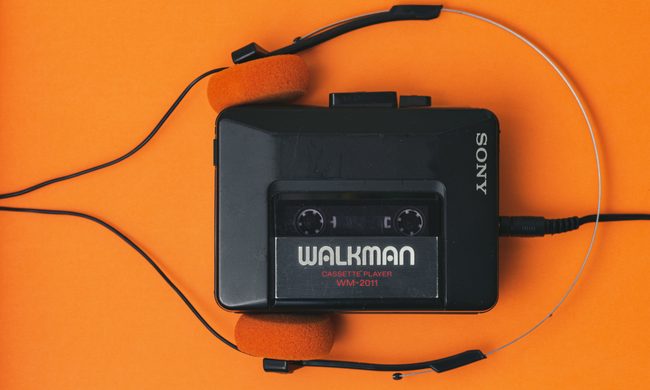
Sony Walkman WM2011

Every few months, another piece of tech that seems obsolete crawls out of a drawer and becomes cool again. The age of minimalism has revived the popularity of iPods among younger buyers. Dumbphones have become an escape hatch from endless notifications. Similarly, digital cameras are dangling from bags again. Physical media keeps attracting people who want something they can actually hold instead of another frustrating subscription.

All of this makes it the perfect time for Sony to bring back the classic Walkman, which was a phenomenon during the 80s and 90s. I would love one. Give me a compact cassette player, physical buttons, and wired headphones. Keep the apps, notifications, and algorithms that shape your taste of music. No more AI assistants or personalzied feeds, just you and your Walkman. There is only one problem though. Recreating the Walkman that people love and remember, would be far harder than putting an old design back into production.

Read more
Proton reveals how smart TVs track you and the escape situation is pretty grim 
Modern smart TVs fingerprint your screen content at the chipset level.
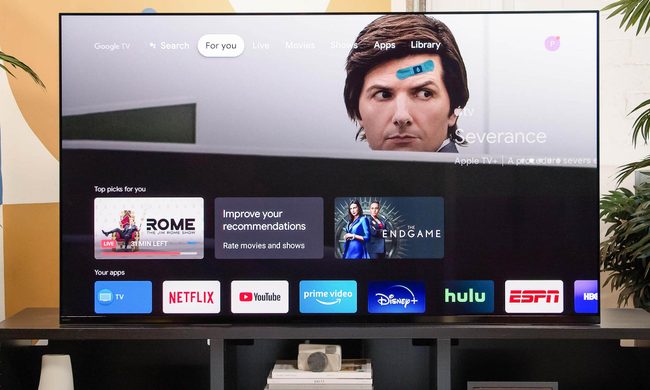
Google TV applications on the Sony A95K TV.

Your smart TV may know far more about your viewing habits than you realize, even if you rarely use its smart features. In a new privacy explainer, Proton warns that many modern TVs quietly collect data about everything displayed on the screen and share it with manufacturers, advertisers, and analytics companies.

The worrying part is that escaping this tracking is becoming increasingly difficult because many privacy controls are buried deep in settings or enabled by default. Proton argues that buying a smart TV today often means accepting a level of surveillance that most people never knowingly signed up for.

Read more
LG is cracking down on smart TV apps that quietly turn your TV into a secret proxy
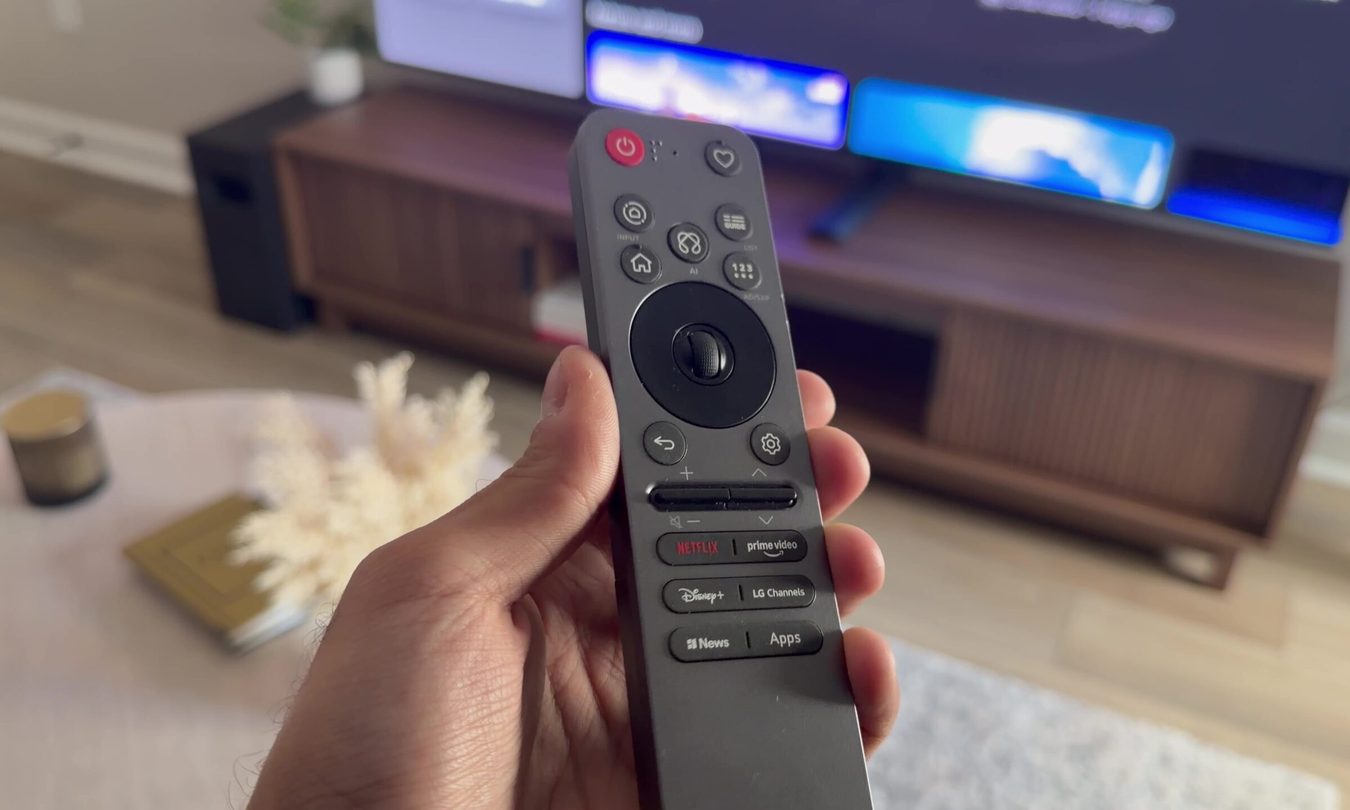
LG OLED Settings

If you own an LG smart TV, there's a chance one of your harmless-looking apps has been moonlighting as an internet relay for someone else's traffic. According to a report from KrebsOnSecurity, LG says it's finally stepping in to stop this menace. This week, the company confirmed it plans to suspend any webOS app that turns a TV into what's called a residential proxy node.

The move follows a report from security firm Spur, which found that more than 42 percent of apps on LG's webOS store include SDKs that quietly reroute internet traffic through your TV, indefinitely. Samsung isn't spared either, with over a quarter of Tizen apps carrying similar code.

Read more