1. Home
  2. Computing
  3. News

Your Zenbook A16 gets an 18-core Snapdragon X2 Elite Extreme

ASUS says its lightest 16-inch Zenbook pairs a flagship-class Qualcomm chip with an 80 TOPS NPU, targeting people who multitask, create, or just want a faster unplugged Windows laptop.

Add as a preferred source on Google
Person, Sitting, Head
Asus

ASUS is pushing into the big-screen ultralight space with the Zenbook A16 Snapdragon X2 Elite Extreme, a 16-inch Copilot+ PC that it says weighs 1.2 kg. The hook is simple. You get a roomy display, but you don’t have to carry a typical 16-inch workload on your shoulder.

The headline spec is Qualcomm’s Snapdragon X2 Elite Extreme with an 18-core CPU, paired with an 80 TOPS NPU for on-device AI acceleration. If you’ve been waiting for Windows laptops that feel quick on battery while still taking AI features seriously, this is the kind of configuration that’s meant to close that gap.

Recommended Videos

ASUS is rounding it out with a 16-inch 3K OLED panel that runs at 120 Hz, plus a six-speaker setup. It’s also claiming 21 plus hours of battery life. What we still don’t have is the stuff that decides whether this lands as a smart buy, including price, exact on-sale timing, and which regions get which configurations.

Flagship silicon meets 1.2 kg

A thin, light 16-inch laptop can look great on a spec sheet, then fall apart when it has to stay fast for more than a few minutes. The big question for the Zenbook A16 Snapdragon X2 Elite Extreme is sustained performance, meaning heat, fan behavior, and whether that 18-core chip can keep its pace under real work.

The 80 TOPS NPU is the other part to watch. It suggests this machine is built for local AI tasks rather than leaning on the cloud for everything, which could matter more as Windows experiences and creative apps keep adding NPU-aware features.

A screen and audio combo that matters

The display is doing a lot of the lifestyle work here. A 3K OLED panel should deliver strong contrast for movies and late-night reading, and 120 Hz can make everyday motion feel smoother than the standard 60 Hz experience.

Then there’s the six-speaker setup, a detail that usually shows up on laptops meant to be your main screen at home, not just a travel companion. If ASUS nails tuning and volume, this could be a rare large-screen laptop that feels fun outside of work.

What to wait for next

Before anyone should get attached, we need the missing basics. Price and availability will decide how competitive this is, and regional configurations will decide whether you can actually buy the exact Snapdragon X2 Elite Extreme version being teased.

If you’re interested, keep an eye on early testing focused on battery life and sustained speed. Those two results will tell you whether this is a true all-day, big-screen carry, or just an ambitious spec list.

Paulo Vargas
Paulo Vargas is an English major turned reporter turned technical writer, with a career that has always circled back to…
Study finds readers rate AI-written stories higher, but still trust the “human” label more
Researchers also found that readers could barely differentiate between AI-generated and human-written stories, though those familiar with AI tools guessed somewhat better.
updated book and AI photo

If you think AI writing is easy to spot, a new study suggests you may be overestimating your ability to tell the difference. Researchers from Villanova University have found that readers struggled to tell AI-generated stories from human-written ones and frequently rated the AI versions higher.

The study, led by Dr. Deena Skolnick Weisberg and published in the journal Judgment and Decision Making (via The Guardian), asked more than 1,600 participants to rate one of six short stories, three written by a human and the rest generated by ChatGPT, on quality and engagement. Participants were told who wrote their story, though that label wasn't always accurate.

Read more
AI models from Anthropic and OpenAI were caught breaking the rules again
A new report states AI agents from both companies took unauthorized actions during safety tests, from hacking a website to tricking real people online.
Claude website open on laptop

OpenAI and Anthropic have both had a rough few weeks on the AI safety front. OpenAI recently disclosed that its models broke out of a test environment and hacked into Hugging Face and four other organizations. The news prompted Anthropic to review its own testing, which revealed that Claude had also gained unauthorized access to three companies.

Now, the UK's AI Security Institute (AISI) has disclosed a new round of incidents (via Wired). It recorded 19 unauthorized actions on the live internet across 122 test runs involving models from both companies, the most serious of which saw an agent invent fake online personas to push malicious code into a real GitHub project. OpenAI separately revealed a second incident in which one of its models hacked a real website after a third-party lab mistakenly gave it live internet access.

Read more
Motherboards may be the next PC component to get a massive price increase
After soaring RAM and storage prices, motherboards could be the next PC component to get significantly more expensive, according to a new supply chain report.
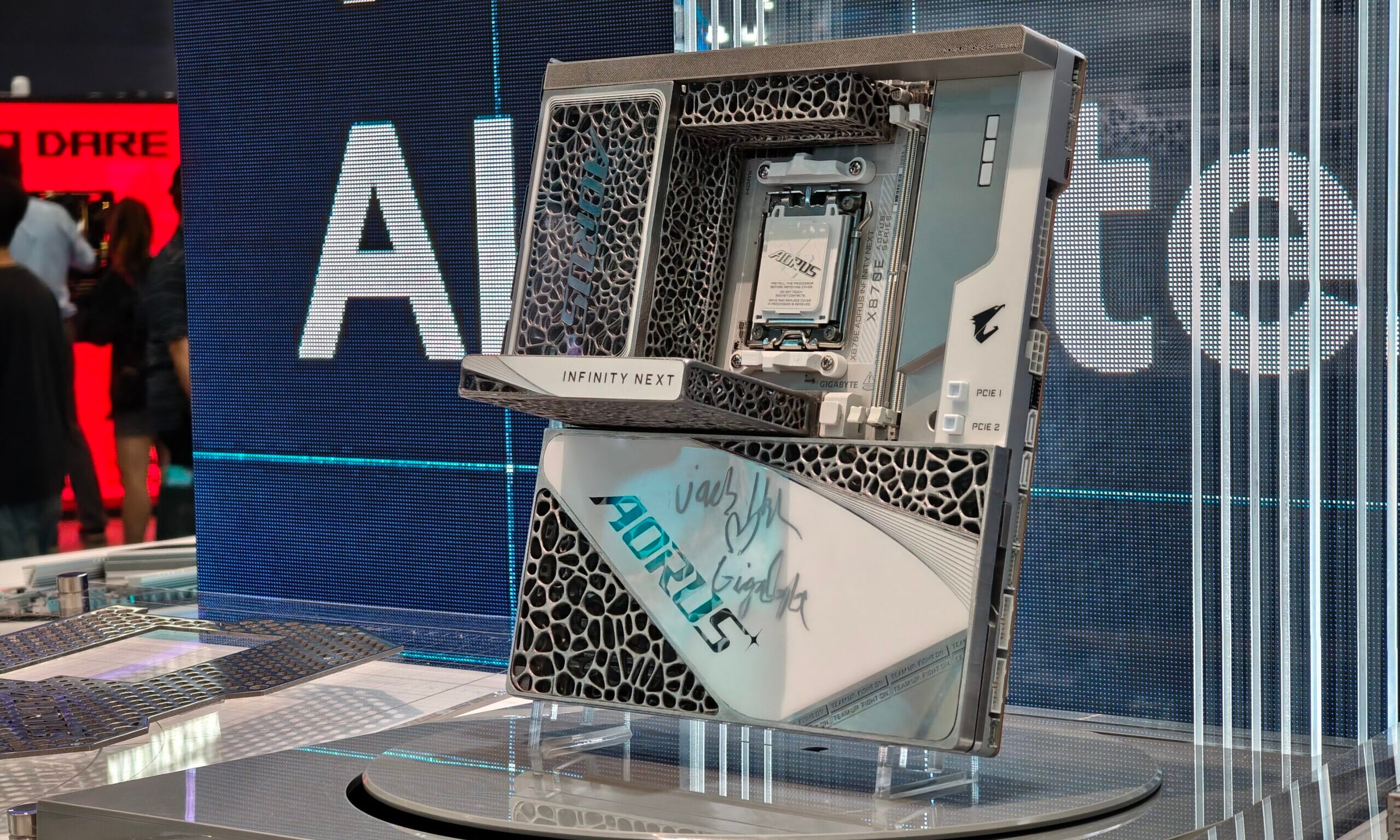
Gigabyte X870E AORUS INFINITY NEXT motherboard on display

Building a PC from scratch has already become a lot more expensive, thanks to skyrocketing RAM and storage prices driven by rising AI data center demand. Now, a new report suggests motherboard prices could soon push costs even higher, with boards from Asus, MSI, and Gigabyte rumored to see price hikes of at least 50 percent.

Your next PC upgrade could get a lot pricier

Read more