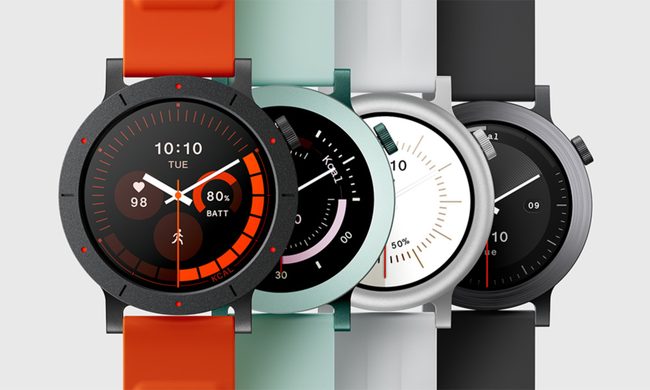
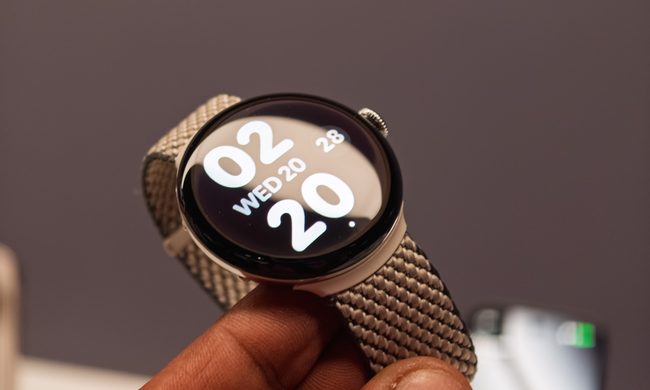
Smartwatches are incredible tools, but they are demanding. They buzz during meetings, light up in movie theaters, and need to be charged almost as often as your phone. For many of us, the friction of wearing a computer on our wrist is starting to outweigh the benefit of closing digital rings.
This has paved the way for a new category of “ambient” health tech. These devices trade screens for sensors, prioritizing comfort and continuous data over notifications and apps. They are designed to be worn 24/7: even in the shower or to bed—without you noticing them. If you want the data (sleep, recovery, stress) without the distraction, this is the gear to own.
The quick list
The best passive trackers for every ecosystem and budget.
- Samsung Galaxy Ring (~$400)
- RingConn Gen 2 Air (~$199)
- Oura Ring 4 (~$349)
- WHOOP 5.0 (~$239)
- Lingo Biosensor (~$54)
- BOOST Smart Bottle (~$47)
- RENPHO Smart Scale (~$25)
The hardware

If you are in the Android ecosystem, this is the seamless choice. Samsung has managed to pack its advanced health sensors into a titanium band that is surprisingly lightweight. It tracks sleep, skin temperature, and heart rate without a monthly subscription fee. It also features a clever gesture control: you can double-pinch your fingers to dismiss alarms or take photos on your connected Galaxy phone.

Smart rings have historically been expensive, but RingConn is changing the pricing structure. The “Air” model delivers flagship-level tracking for $200 and—crucially—charges zero monthly fees to access your data. It is incredibly light (roughly 2 grams) and boasts a 10 to 12-day battery life, meaning you can leave the charger at home for almost any business trip.

Oura effectively created this category, and the Gen 4 is a significant refinement in comfort. They replaced the raised interior sensors of previous models with flush, recessed sensors, making it much more comfortable to wear while lifting weights or sleeping. It uses “Smart Sensing” to adapt to how the ring rotates on your finger, ensuring you get accurate heart rate data regardless of fit.

The Whoop 5.0 solves the biggest friction point of earlier models: battery anxiety. It now runs for 14+ days on a single charge. It remains the only major tracker that has no screen at all, forcing you to check the app if you want data. This design is intentional—it is built purely for analyzing “strain” and recovery, removing the temptation to stare at your wrist during a workout.
Lingo Continuous Glucose Monitor

You don’t need to be diabetic to find value in glucose data. The Lingo biosensor (by Abbott) is a consumer-grade patch that tracks how your blood sugar responds to specific foods. Wearing this for a two-week cycle can be eye-opening; seeing how a specific breakfast spikes your glucose and leads to an afternoon energy crash provides immediate, actionable insight into your diet.
BOOST Smart Bottle & RENPHO Smart Scale

Data requires context. The RENPHO scale automatically logs body composition trends to your phone via Bluetooth, removing the manual work of tracking weight. The BOOST bottle offers a simple visual nudge—a glow on your desk—to remind you to hydrate, fixing one of the easiest avoidable performance killers.
The bottom line
We are moving past the era of notification fatigue. By switching to passive trackers like the Oura or Lingo, you stop serving the device and let the device start serving you. It allows you to maintain a high-tech health routine without actually looking like you are wearing any tech at all.