1. Home
  2. Computing
  3. News

Digital Trends may earn a commission when you buy through links on our site. Why trust us?

DeepSeek AI search is the clearest sign it wants Google’s turf

New roles tease a search buildout as the startup expands past its R1 model buzz.

Add as a preferred source on Google
DeepSeek AI chatbot running on an iPhone.
Nadeem Sarwar / Digital Trends

DeepSeek looks like it’s preparing to move beyond chat and into search, right as AI starts to reshape how people look up information. Multiple job postings this month suggest the Chinese startup is building DeepSeek AI search, a product aimed at multilingual queries and newer kinds of inputs, Bloomberg reports.

The work described in the ads points to a multimodal engine, one that can take text, images, and audio. That’s a direct fit for phone-first searching, where a screenshot, photo, or voice clip is often the real query.

The job posts spell out the build

The roles call for specialists to build an AI search engine that supports different languages and can process more than typed text. That suggests DeepSeek wants results that feel closer to an answer than a link list, especially when the input is messy.

Recommended Videos

The same listings also stress the infrastructure that makes AI search reliable, training data, evaluation systems, and platforms designed to support the work. That’s the less flashy side of the product, but it’s the part that decides whether an AI search tool is helpful or confidently wrong. It’s a practical signal that DeepSeek is moving from model bragging rights into day-to-day utility.

The timing adds weight. DeepSeek rattled the AI sector last January with its R1 model, which rivaled leading US options and was said to cost far less to build. Since then, industry watchers have been waiting for the next step.

Why this matters for Google

Google still owns the default search habit, but AI is eating into the experience people care about most, getting something useful fast. A multilingual, multimodal entrant could challenge Google where classic search struggles, by interpreting images and audio instead of forcing everything into keywords.

DeepSeek’s hiring also points to agents, tools meant to run with limited human oversight. The company is staffing for agent training data, evaluation, and dedicated platforms, and it even signals an expectation of many agents running persistently. Put those pieces together and you get a broader play, search finds information, agents act on it, and the product starts to look more like an assistant than a search page.

What to watch next

The biggest question is distribution. The postings don’t say if DeepSeek AI search becomes a standalone destination, a developer API, or a feature inside an existing service, and that choice will determine who touches it first.

There are a couple of hints to track. DeepSeek published a paper in late December outlining a more efficient approach to developing AI, and it recently referenced “model1” on its public GitHub account. If DeepSeek follows up with a public search preview or ships persistent agent features people can try, it’ll be the clearest sign yet that the company wants a real slice of Google’s turf.


Paulo Vargas
Paulo Vargas is an English major turned reporter turned technical writer, with a career that has always circled back to…
Mark Zuckerberg wants AI superintelligence in everyone’s hands
Meta says it can bring advanced AI to billions of people, though access won’t give users control over the infrastructure, safeguards, or limits behind it
Body Part, Finger, Hand

In an opinion essay for The Wall Street Journal, Mark Zuckerberg lays out a modest ambition for Meta’s AI. He wants to put superintelligence in everyone’s hands, giving ordinary people technology powerful enough to improve their health or help them work.

Zuckerberg presents personal superintelligence as an alternative to advanced AI being controlled by a few institutions. Meta can certainly distribute it on a scale few companies could match. What users would receive is an assistant built and governed somewhere else, with its most important decisions made for them.

Read more
The US government just blacklisted foreign-made robots and power inverters
Uncle Sam just said no thanks to foreign robots and power inverters, at least the new ones.
robots with black background

Months after banning all foreign routers and subsequently approving some of them in weeks, the FCC is back at it again, and this time robots and power inverters are in its crosshairs. 

The Federal Communications Commission has added two new entries to its Covered List, and this time the targets are advanced robots and power inverters made outside the US. The move follows a White House-led security review that flagged both categories as genuine risks to national security.

Read more
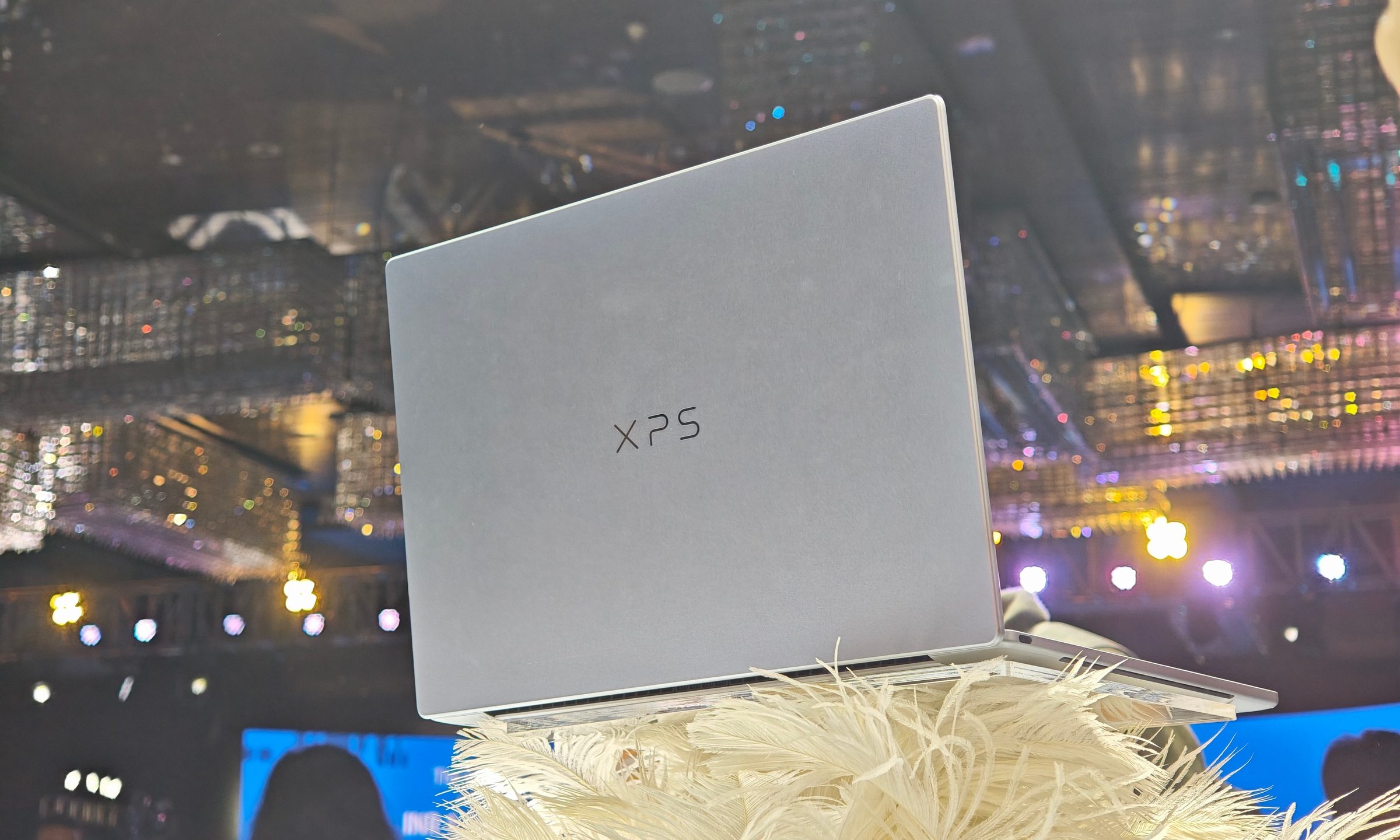
I tried Dell’s sleek XPS 13 and it’s a breath of fresh air for budget Windows laptops
Dell shrank the XPS 13’s price without stripping away its premium identity
Dell XPS 13 Hands-on

When Apple launched the MacBook Neo, it reset my expectations for affordable laptops. Its $599 starting price paired an aluminum body with the polish people expect from a MacBook, leaving Windows manufacturers with a difficult target to chase. While that price has since risen, it is still a solid laptop for the price it is listed at.

During Computex 2026, I saw a possible answer to this MacBook. After spending time around several affordable Windows laptops at the show, I wrote about how the category finally appeared ready to move beyond plastic bodies and poor displays-- and one of the models that I was particularly looking forward to was the Dell XPS 13.

Read more