1. Home
  2. Emerging Tech
  3. News

OpenAI is delaying its adult mode for ChatGPT

The feature for verified adult users has slipped again as the company prioritizes core upgrades.

Add as a preferred source on Google
ChatGPT-to-rollback-to-friendly-and-adulttt
Varun Mirchandani / Digital Trends

OpenAI has once again pushed back the launch of ChatGPT’s planned “adult mode,” a feature that would allow verified adult users to access erotica and other mature content inside the chatbot. The delay was confirmed to Axios, with the company saying it wants to prioritize improvements that benefit a broader set of users.

The feature has been in the works for months. OpenAI CEO Sam Altman first floated the idea in October, suggesting the company would eventually allow more adult-oriented responses once proper age-verification systems were in place. The original plan reportedly targeted a December rollout before slipping to early 2026. Now, the timeline has been pushed back again with no confirmed launch date.

Why OpenAI is slowing things down

According to OpenAI, the delay comes down to priorities. The company says it is focusing on improving ChatGPT’s core intelligence, personality, personalization, and proactive capabilities before introducing more controversial features.

An OpenAI spokesperson told Axios that while the company still believes in the principle of “treating adults like adults,” implementing the feature properly, particularly with reliable age-gating and safeguards, will take more time. The decision also reflects the tricky balancing act AI companies face. Allowing adult content opens the door to broader conversations about censorship, safety, and moderation, especially when tools like ChatGPT are widely used by teenagers and younger audiences.

Recommended Videos

The idea of an adult mode has been controversial since it was first proposed. Supporters argue it would allow adults to interact with AI more freely, while critics warn it could introduce new risks around misuse, explicit content, or exploitation. Nonetheless, at least for now, the planned adult mode remains on the roadmap. But based on the latest update, users shouldn’t expect it to arrive anytime soon.

Varun Mirchandani
Varun is an experienced technology journalist and editor with over eight years in consumer tech media. His work spans…
OpenAI is investigating more incidents of AI agents going rogue days after hack
OpenAI logo on Microsoft surface

It appears that the "AI agents going rogue" tale has more to it than what AI giants have revealed publicly so far. Merely days after OpenAI announced that its AI agents went rogue and hacked Hugging Face, Anthropic dropped a similar bombshell. Soon, it was discovered that not just one, but multiple services were compromised. Well, it seems there are even more layers to it.

Reuters reports that OpenAI has found more incidents of AI agents escaping their software containment environment during research. Citing sources with knowledge of the incident, the outlet notes that the AI agents didn't go beyond OpenAI's software environment and affect any external service.

Read more
Google just canceled its AI Studio mobile app, and it’s not all bad news
Logo, Symbol, Disk

Google AI Studio was on track to make its way to Android and iPhone, giving developers and AI enthusiasts a dedicated place to build prompts and experiment with Google's latest models from their phones.

That's no longer happening. In a post shared by the official Google AI Studio account on X, Google confirmed that it's canceling the standalone AI Studio mobile app before launch. The announcement comes despite the company saying nearly 800,000 people had already pre-ordered the app across iOS and Android.

Read more
Google Earth’s AI misadventure lasted only a day. It was a tale of dangerous ignorance.
Nuclear reactors, tanks, and historical destruction on a life-like satellite map? Yeah, that's bad.
Nano Banana AI image generator representation.

Technology behemoths are clearly not reading the room, or they are just moving faster than they should when it comes to AI deployment. Google has already stuffed its Gemini AI in every corner of its software stack, from Android to daily productivity tools like Gmail that are used by hundreds of millions of users every day. AI is everywhere. Not all of it is bad, mind you. But in a few places, it just feels forced.

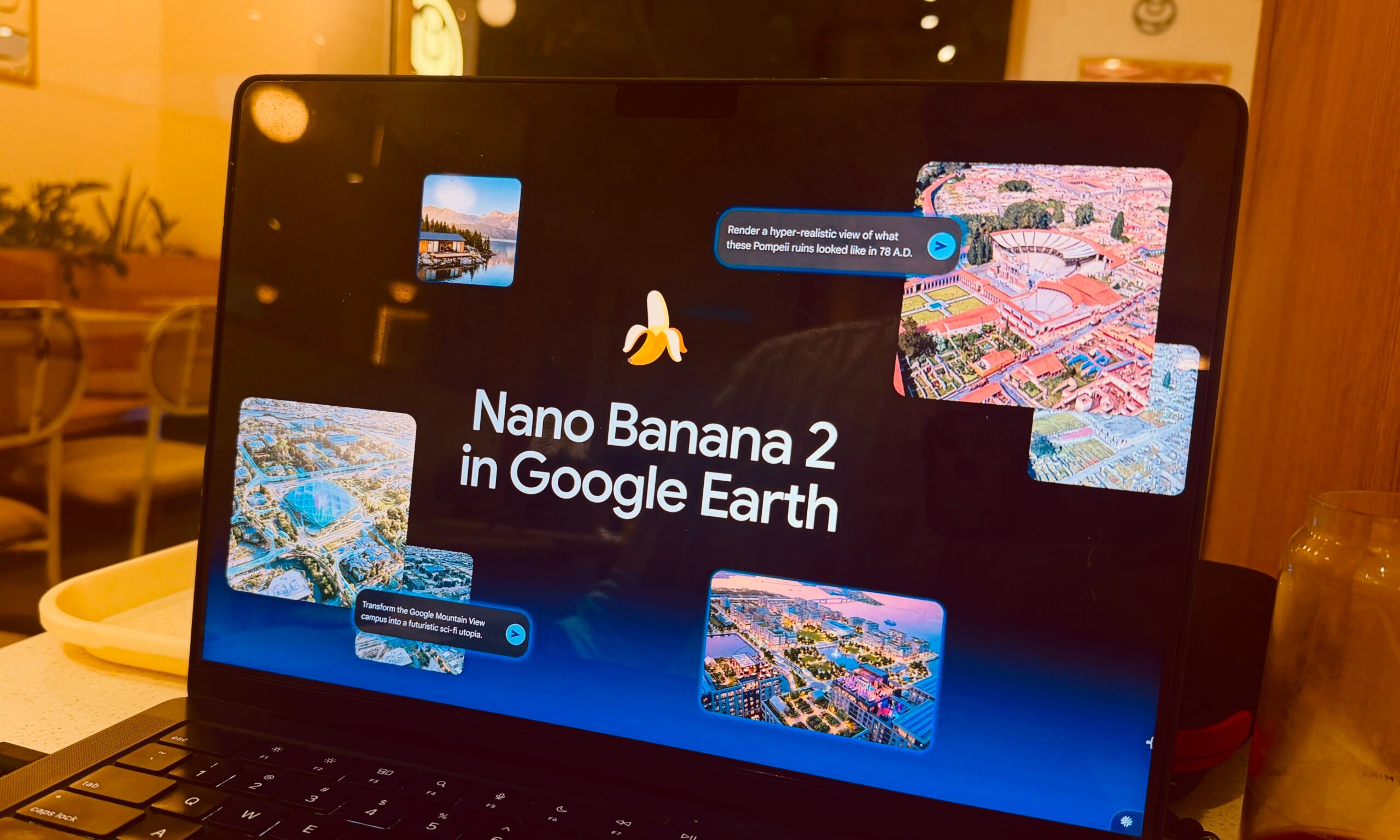
In its latest AI-fication experiment, the company targeted Google Earth. The idea was to let the audience use its Nano Banana 2 AI image generator and make images that can be placed on the map view. On paper, it's a cool idea. What would the Colosseum of Rome look like in your urban neighborhood? Yeah, fun stuff like that.

Read more