1. Home
  2. Phones
  3. News

Google Pixel phones might soon block downgrading to an older Android build

Your next Pixel might not let you go back to an older Android version

Add as a preferred source on Google
Rear shell of Google Pixel 10 Pro.
Nadeem Sarwar / Digital Trends

Google could soon make it a lot harder for Pixel owners to downgrade to older Android builds. A new report suggests that a new change may roll out soon, expanding the anti-rollback protection feature, which is a security measure designed to stop devices from being flashed with older software. The main idea is to protect the devices against older software iterations that may contain known vulnerabilities.

That is the useful version of the story. The less fun version is that it could also remove a bit of flexibility from Pixel phones, especially for enthusiasts who like flashing older builds for testing, troubleshooting, or just getting off a buggy release.

Why is Google doing this?

According to Android Authority, the latest hint comes from the Android 16 QPR1 Beta 1. Google appears to be laying the groundwork for broader rollback protection on Pixel devices. The report says that the anti-rollback mechanism would not just apply to the bootloader or firmware, but could also affect the ability to install an older Android OS build.

Recommended Videos

From Google’s perspective, the logic seems pretty straightforward. Older versions can still be vulnerable to patched security flaws, which expose users to exploitation. So the anti-rollback is basically meant as protection that ensures a device cannot be reverted to a less secure state.

Why some users will hate it?

The problem is that security-focused decisions like this tend to hit power users first. If this rolls out more broadly, it could make life harder for users trying to revert from a bad beta build, developers testing behavior on older Android versions, and enthusiasts who manually flash images for recovery or modding.

Meaning, the changes make sense on paper, but it also chips away at one of the reasons Pixel phones have remained popular with Android tinkerers. Leading the change might be the Pixel 10, which may be the first to receive this update.

Vikhyaat Vivek
Vikhyaat Vivek is a tech journalist and reviewer with seven years of experience covering consumer hardware, with a focus on…
The EU says TikTok still isn’t doing enough to protect kids
Regulators say the platform's privacy settings don't go far enough under the Digital Services Act.
TikTok Creative Featured

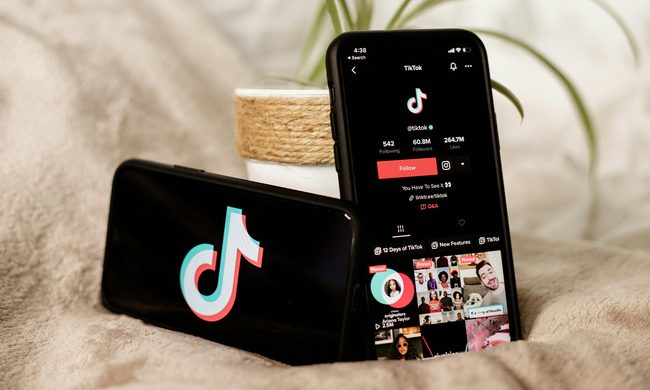
The European Commission has accused TikTok of falling short on protecting minors, saying the platform's current account settings don't meet the child safety standards required under the Digital Services Act (DSA). The findings are preliminary, but if upheld, TikTok could face a fine of up to 6% of its global annual revenue.

Why the EU thinks TikTok isn't doing enough

Read more
Qualcomm is set to ratchet up chip prices in September, and your next gadget upgrade could bear the brunt
The price hike could touch every Snapdragon-powered device category.
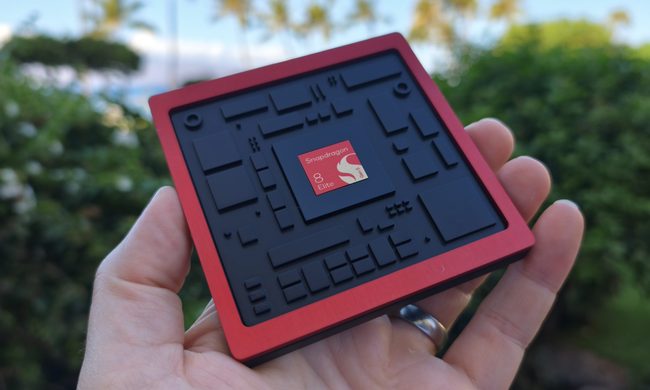
The new Qualcomm Snadragon 8 Elite Gen 5

I want you to sit with this for a second. Qualcomm, the company whose Snapdragon chips sit inside your Android phone and tablet, your Windows laptop, your Meta smart glasses, your Galaxy Watch, and your wireless earbuds, reportedly sent a letter to every major customer telling them prices are going up by double digits. 

The price hike will be in effect from September 1, 2026, a recent Bloomberg report claims. Essentially, all the companies placing their chip orders after that will pay a higher price. 

Read more
Enter the wrong PIN 13 times and your Galaxy phone is locked for good
New Galaxy phones will require a factory reset after 13 failed unlock attempts
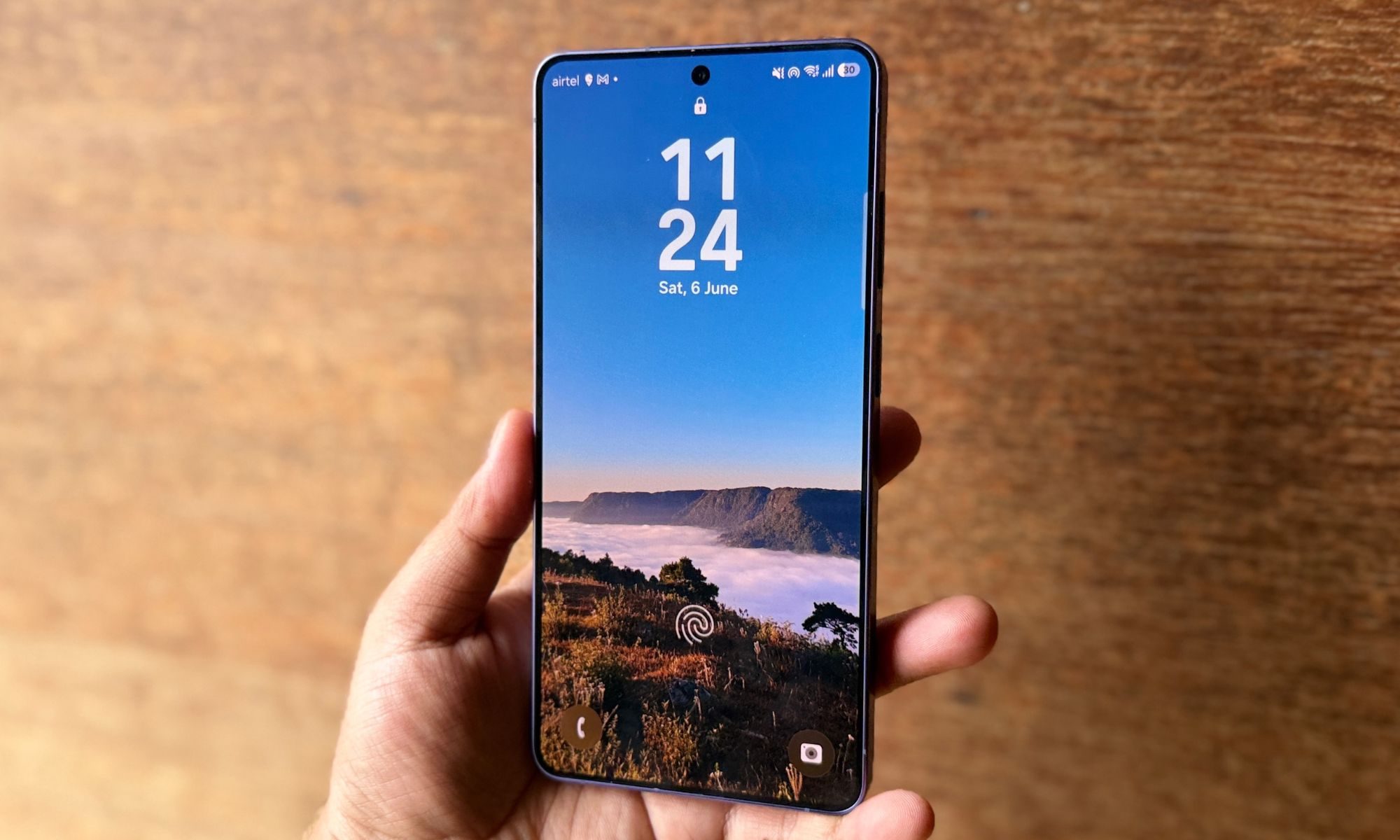
Samsung Galaxy S26 Ultra smartphone in blue color.

Samsung is making the lock screen much harder to break on Galaxy devices launching with Android 17-based One UI 9. Enter the wrong PIN, pattern, or password 13 times, and the phone will stop accepting attempts. A full factory reset will then be the only way to use it again.

The change is designed to stop brute-force attacks, where someone repeatedly guesses different passwords until one works. It is a major shift from older One UI versions, which mainly relied on temporary waiting periods rather than a mandatory final lockout.

Read more