  1. Home
  2. Business
  3. News

Amazon, hit by war, adds a fuel surcharge that could make shopping expensive for you

Third-party Amazon sellers face new fees starting April 17 as oil costs surge

Add as a preferred source on Google
Amazon delivery
Unsplash

A war halfway around the world is about to make your Amazon orders more expensive. Amazon has announced a 3.5% “fuel and logistics-related surcharge” on seller fees. It applies to third-party sellers who use Amazon’s fulfillment services in the US and Canada.

According to CNBC, the surcharge kicks in on April 17, and while it’s technically a fee on sellers, not shoppers. But there’s a very good chance you’ll end up paying for it anyway.

Why oil prices are surging and how the Iran war is driving this

Oil prices have been climbing due to the ongoing conflict involving the US, Israel, and Iran, disrupting supply expectations and pushing prices even further. Before the conflict, crude oil was trading below $60 per barrel. It has now been consistently above 100 for over a week.

What the surcharge means for sellers and why your expenses could go up

Amazon says it has been absorbing these elevated costs so far, but the math no longer works in its favor. The new surcharge averages out to about 17 cents per unit for shipments handled through Fulfillment by Amazon (FBA) – Amazon’s widely used service that manages picking, packing, and shipping for the majority of its roughly 2 million third-party sellers.

Recommended Videos

Amazon spokesperson Ashley Vanicek said the surcharge is “meaningfully lower” than what other major carriers are charging. And yes, UPS, FedEx, and even the US Postal Service have all imposed their own fuel surcharges since the war began. Some airlines have started adding fuel surcharges on longer-haul flights too.

The surcharge is aimed at sellers, not shoppers directly. But as seen last year when tariffs hit, sellers tend to pass those extra costs straight to the customer through higher prices.

Rising chip tariffs could also make your next PC upgrade more expensive and impact electronics prices overall. If the conflict in the Middle East drags on, your Amazon cart total could quietly keep climbing.

Manisha Priyadarshini
Manisha Priyadarshini is a tech and entertainment writer with over nine years of editorial experience.
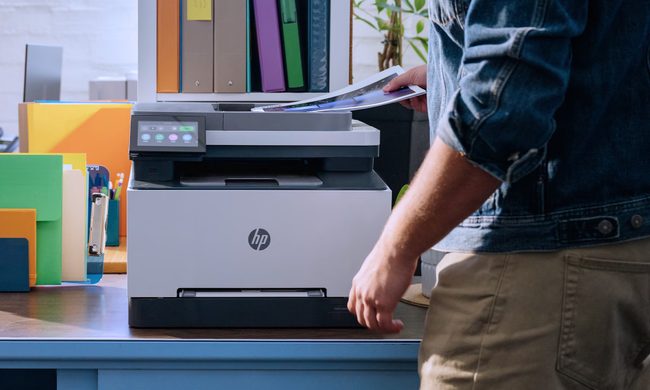
What Features Matter Most in a Printer for a Small Business or Home Office?
Choose a laser printer that works as hard as your business does.
Computer Hardware, Electronics, Hardware

This post is brought to you in paid partnership with HP.

For small businesses and home offices alike, the printer has become something more than a peripheral. Remote and hybrid work, side businesses, and small teams handling their own operations have all raised the bar on what a shared office printer needs to do. A machine that handles the occasional document is no longer enough when invoices, contracts, client paperwork, and employee forms are moving through it every day.

Read more
WarpSpeed Wants to Be the AI Assistant That Finally Gets Your Life Organized
Trending Forward

Most of us don't need AI to write sonnets, generate pirate jokes, or explain quantum mechanics for the fifth time. What we really need is much simpler and much harder: help getting through the day.

Email. Calendar. Tasks. Chat. Reminders. Follow-ups. Missed messages. Half-finished replies. The bill you meant to pay. The lunch you forgot to confirm. The document someone sent three weeks ago that you now need "right away."

Read more
How can businesses simplify invoicing and payment processing?
Connect invoicing, payments, and accounting into one seamless workflow
Body Part, Finger, Hand

This post is brought to you in paid partnership with QuickBooks.

Creating an invoice is rarely the hardest part of getting paid. For most small businesses, it takes only a few minutes to prepare an estimate, send an invoice, or request payment. The work that quietly consumes time comes afterward, when payments need to be tracked, deposits verified, invoices marked as paid, and accounting records updated. Simplifying invoicing isn't just about creating invoices faster. It's about reducing the manual work that happens between sending an invoice, collecting payment, and keeping financial records accurate. QuickBooks is designed around that idea, bringing invoicing, payments, and accounting together in one connected workflow instead of treating them as separate tasks.

Read more