1. Home
  2. Computing
  3. Phones
  4. News

Samsung’s new display tech can switch between 2D/3D on OLED panels, no glasses needed

Samsung's 2D/3D metalens doesn't just enable 3D viewing without glasses; it makes it practical, wide-angle, and compatible with the OLED displays already in your phone.

Add as a preferred source on Google
Samsung new 2D/3D technology.
Samsung

Samsung Research, along with South Korea’s POSTECH, has published a paper in the journal Nature about a breakthrough in display technology. The company is working on a switchable 2D/3D system that works without glasses and eye-tracking hardware. 

The system doesn’t even add meaningful bulk to a display. It is built around what is called a Metasurface Lenticular Lens, an ultra-thin optical layer that’s just 1.2mm thick, made up of nanoscale structures that control how light behaves, and, in the process, how we perceive the light being emitted by the display. 

How does the technology actually work?

Using voltage control, the lens toggles between two modes, based on the polarisation of light. In 2D mode, the lens acts as a concave element, allowing light to pass through for a sharp, high-resolution flat or two-dimensional image, which is what we see on screens all around us, on our smartphones, laptops, regular TVs, etc. 

Recommended Videos

It is in this mode that the image will be ideal for reading, browsing, or other everyday tasks. However, when you flip it to 3D mode, the same lens turns convex, bending light to create depth and stereoscopic perspective without requiring any glasses. 

It’s worth mentioning that this is the first meta-optical system that can switch from 2D to 3D in a single device using only voltage control. 

Why does this matter so much?

The team has come up with a large-area metalens (50x50mm) and tested it on OLED panels, which, you must already know, is the same panel technology that is used on most smartphones today (and even on some TVs and laptops). 

Previously, glasses-free 3D displays suffered from a narrow viewing angle of only around 15°, implying that you had to sit perfectly straight to maintain the 3D effect. However, Samsung’s technology delivers a 100° viewing angle, which is more than six times wider. 

This should allow not just one but multiple people to experience 3D content simultaneously, and that too, from different positions. The applications of this technology could span tablets, augmented reality, medical imaging, and everyday smartphone or television units. 

Keep in mind that there’s no product launch tied to this announcement (yet). However, that doesn’t take away from the fact that the glasses-free 3D mechanism, tested on OLED panels, with a wider viewing angle, is a breakthrough advancement in display technology. 

Shikhar Mehrotra
For more than five years, Shikhar has consistently simplified developments in the field of consumer tech and presented them…
Shopping for back-to-school? These are the budget laptops I’d actually recommend
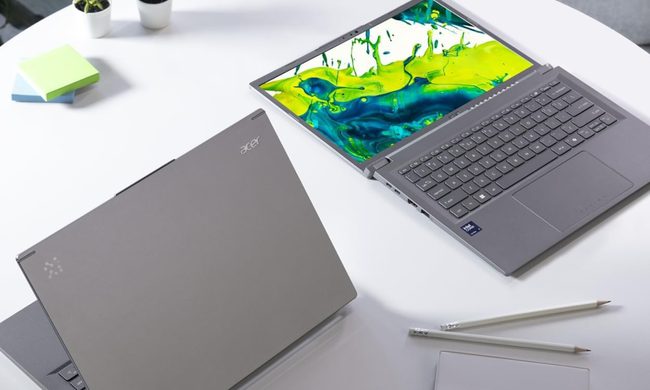
From a $359 Chromebook to the cheapest way into macOS, these are the budget picks worth your money.
Computer, Electronics, Laptop

The back-to-school season often turns into a laptop, especially the budget ones that aren't too heavy on your wallet. Due to the ongoing memory crisis, most manufacturers have already bumped up their laptop prices, including Apple. However, that doesn't mean that I won't help you get a new machine. So, for this one, I spent time digging through spec sheets, customer ratings, and price tags, finding devices that don't just look cheap in an Amazon listing, but actually hold up. 

From a flexible touchscreen Chromebook to the least expensive way into macOS, these six laptops balance price and performance well. I'd hand any one of them to a student heading back to campus this fall, depending on what they need and what their priorities are. 

Read more
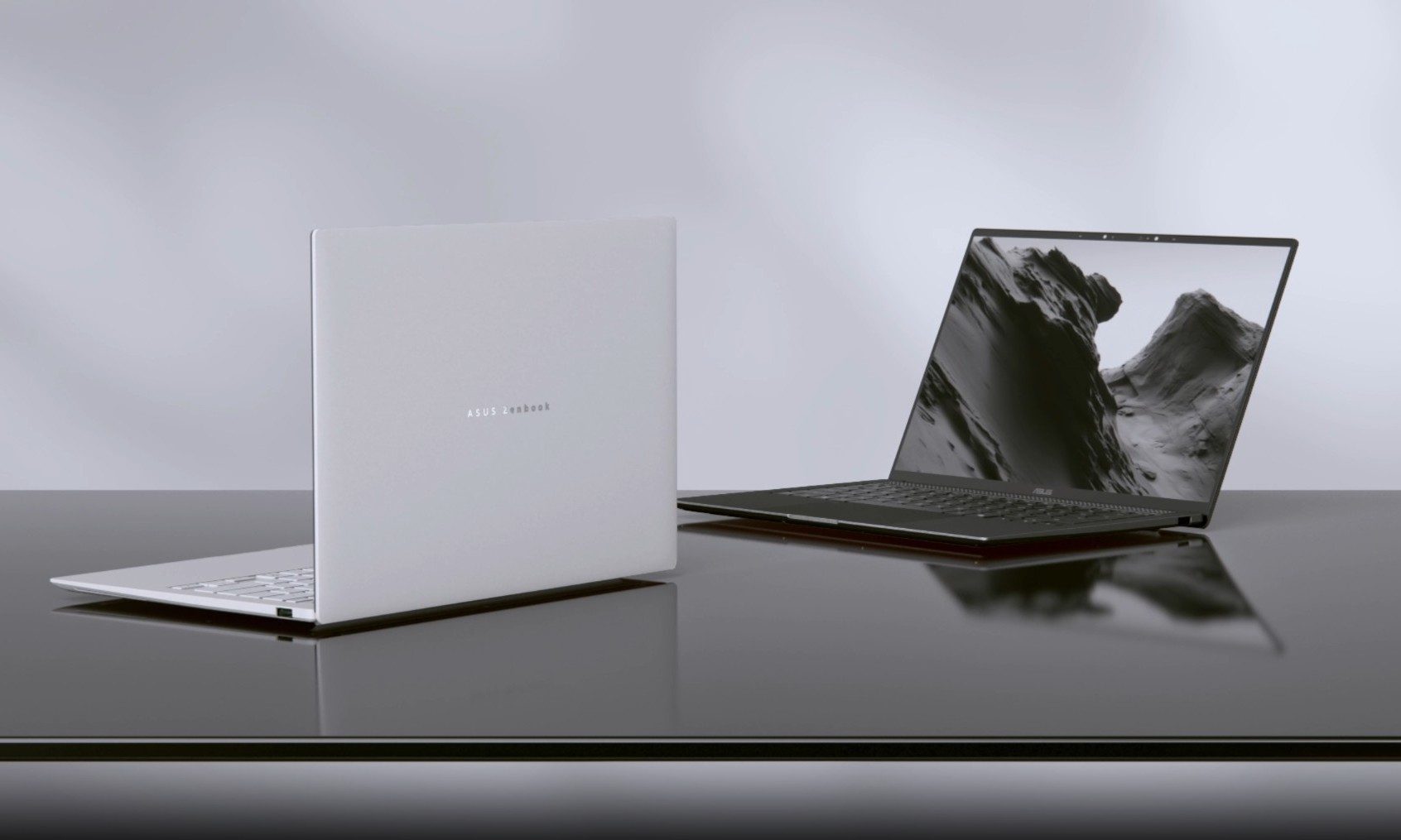
Asus’ latest Zenbook puts a seriously bright OLED screen inside an impossibly slim body
The Zenbook 14 Air is only 11mm thick but still packs a 77Wh battery
Computer, Electronics, Laptop

Asus has introduced a new AMD-powered version of the Zenbook 14 Air 2026, combining a bright OLED display and a large battery inside an 11mm-thick chassis. It weighs 1.19kg, keeping it firmly in ultraportable territory despite the 77Wh battery inside.

The Zenbook 14 Air 2026 itself is not entirely new. Asus launched an Intel configuration powered by the Core Ultra 9 386H in China back in January. The latest version switches to AMD’s Ryzen AI 7 H 445 and is priced at CNY 9,999, or around $1,477. (via Notebookcheck)

Read more
Before you blow your student budget, here’s the MacBook that actually suits your major
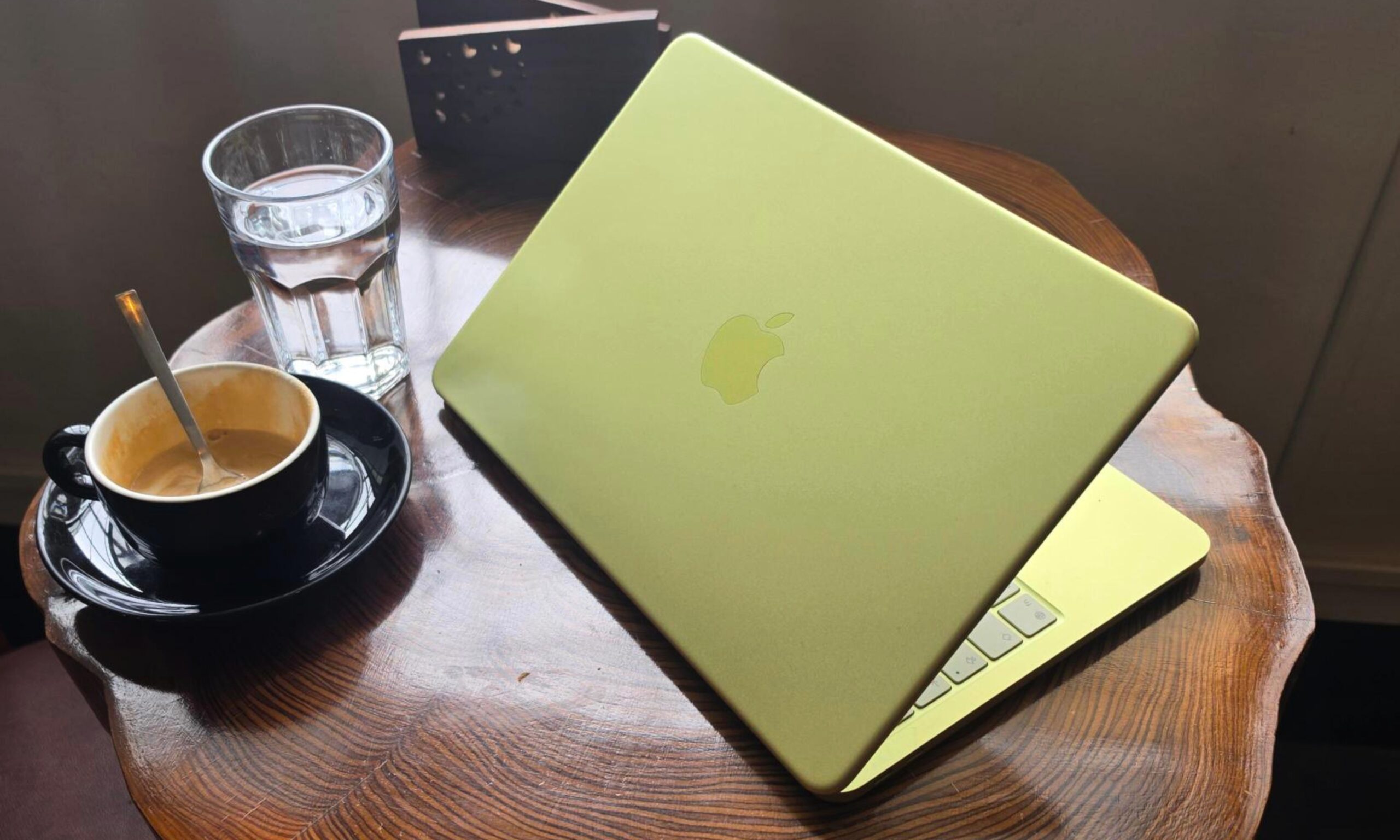
Confused by the MacBook lineup? I sorted it out so students don't have to
Computer, Electronics, Laptop

Apple’s MacBook lineup has become much broader in 2026. The MacBook Neo brings the entry price down considerably, the M5 MacBook Air remains the obvious all-rounder, and the MacBook Pro covers students whose coursework can push a laptop to its limits.

But with a wide range, choosing one becomes harder. Spending more can bring a better display, faster storage, additional ports, and considerably greater performance. However, plenty of students will never take advantage of those upgrades. So, I have narrowed the current lineup down to three models, each aimed at a distinct kind of buyer.

Read more