For years, calling a phone an “iPhone clone” was the quickest way to dismiss it outright. It meant lazy design, cheap hardware, and an experience that fell apart the moment you actually used it. Early copycats earned that reputation. They borrowed the look of Apple’s iPhone, but none of the substance. Bad displays, laggy performance, unreliable cameras, and build quality that didn’t inspire much confidence.
Back then, the label wasn’t just criticism. It was a red flag.
The clone stigma hasn’t aged well
The market has since moved on, but that old definition of an “iPhone clone” and the stigma around it haven’t. Phones that borrow from Apple’s design language are still dismissed too quickly, even though that label no longer tells you much about how good the device actually is.

Growing competition, especially among Chinese brands, has forced companies to step up. And the gap between mid-range and flagship phones has shrunk to the point where, for most people, it’s barely noticeable in day-to-day use. Yet…
The moment a phone resembling the iPhone shows up, the conversation still defaults to “clone.”
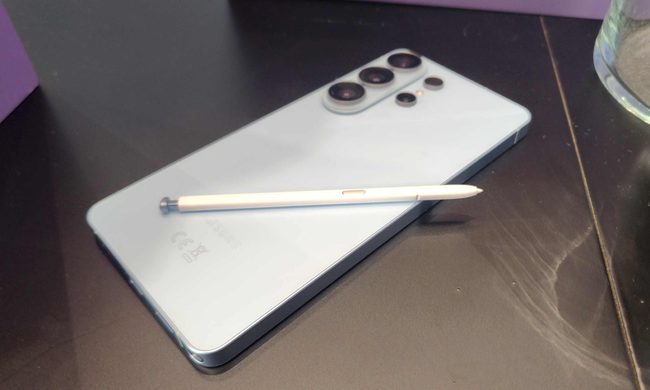
And while we are at it, should we not address the woes of a rote design that has overstayed its welcome? Samsung clearly has a design problem where its entry-point, mid-rangers, and flagships look nigh identical, unless you stare deep and get a hands-on feel. I’d rather have my phone look similar to an iPhone and offer some real substance than have it look like a dozen other phones from four years ago and disappoint on the value debate, too.
Looks familiar, but that’s only half the story
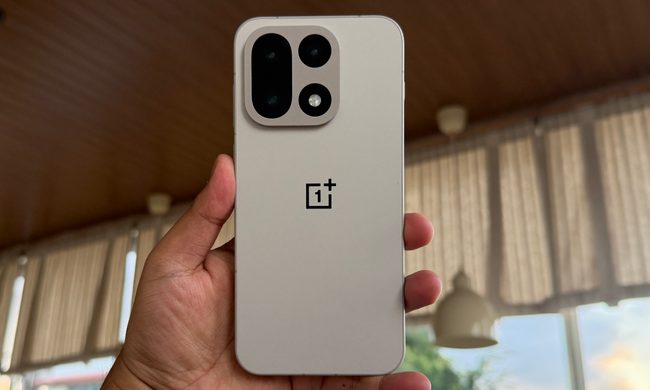
Take Honor’s recently launched 600 series as an example. Yes, it looks like the iPhone. The design language is clearly inspired, and there’s no point pretending otherwise. But stopping the conversation there misses what actually matters.

Once you actually look at what the phones offer, the narrative shifts. With the Honor 600 Pro, you’re getting a sharp, high-refresh rate display that feels smooth in everyday use. Battery life is clearly a focus, built to comfortably last a full day and often more. Fast wired and wireless charging removes a lot of the usual anxiety around running low on juice.
And the cameras, while not groundbreaking, are more than capable for the way most people actually use their phones, even if they don’t match flagship devices in every scenario. None of it lines up with the old idea of a cheap knockoff. On the contrary, it highlights how much the segment has evolved.
The value equation has changed
This is where things get interesting. Phones like the Honor 600 Pro aren’t trying to beat the iPhone at its own game. They’re changing the terms entirely.

For many buyers, it’s rarely about having the absolute best camera or the most powerful chip. It’s about getting a phone that does everything well without costing a small fortune. And in that context…
These so-called clones start to make a lot more sense.
If you’re getting most of the experience at a lower price, the design starts to matter a little less. In some cases, it barely factors into the decision at all.
What really matters after the first week
Design is what grabs attention. It’s what gets people talking. But it’s also the part of the experience that fades the fastest. What sticks is everything else.

Does the phone stay smooth after months of use? Does the battery hold up when you actually need it? Does it take photos you’re happy to share without overthinking it? Does it get consistent software support? These are the things that define a device over time, and this is exactly where modern mid-range and affordable flagship phones have improved the most.
That’s why the “clone” argument feels increasingly out of place. It focuses on what a phone looks like on day one, not how it performs on day one hundred.
Maybe it’s time to retire the label
None of this is to say design doesn’t matter. It does. Originality still counts, and the industry needs companies that are willing to take risks instead of playing it safe. But…
Dismissing a phone purely because it looks like an iPhone feels like a banal take.
Retiring the “clone” label isn’t about giving brands a pass for the lack of original design. It’s about admitting that in 2026, a phone’s silhouette is the least interesting thing about it.

If a device delivers where it counts, display, battery life, performance, software support, and overall usability, at a more accessible price, the resemblance isn’t the main story.
It’s merely a footnote to a much more important reality: the so-called ‘copy’ might simply be the smarter buy. More importantly, it’s a sign that we should start talking about how these devices are forcing the “originals” to justify their premium more than ever.