The Academy of Motion Picture Arts and Sciences has formally clarified how artificial intelligence (AI) fits into Oscar eligibility, stating that AI cannot receive awards for acting or writing. The updated rules, included in the 99th Academy Awards rulebook, reinforce that human contribution remains central to recognition in key creative categories.
Human Performance and Authorship Take Priority
Under the revised guidelines, only performances carried out by humans can be considered for acting awards. The rule specifies that roles must be credited in the film’s official billing and “demonstrably performed by humans with their consent.” This means that AI-generated or synthetic performances, even if used in a film, are not eligible for recognition.
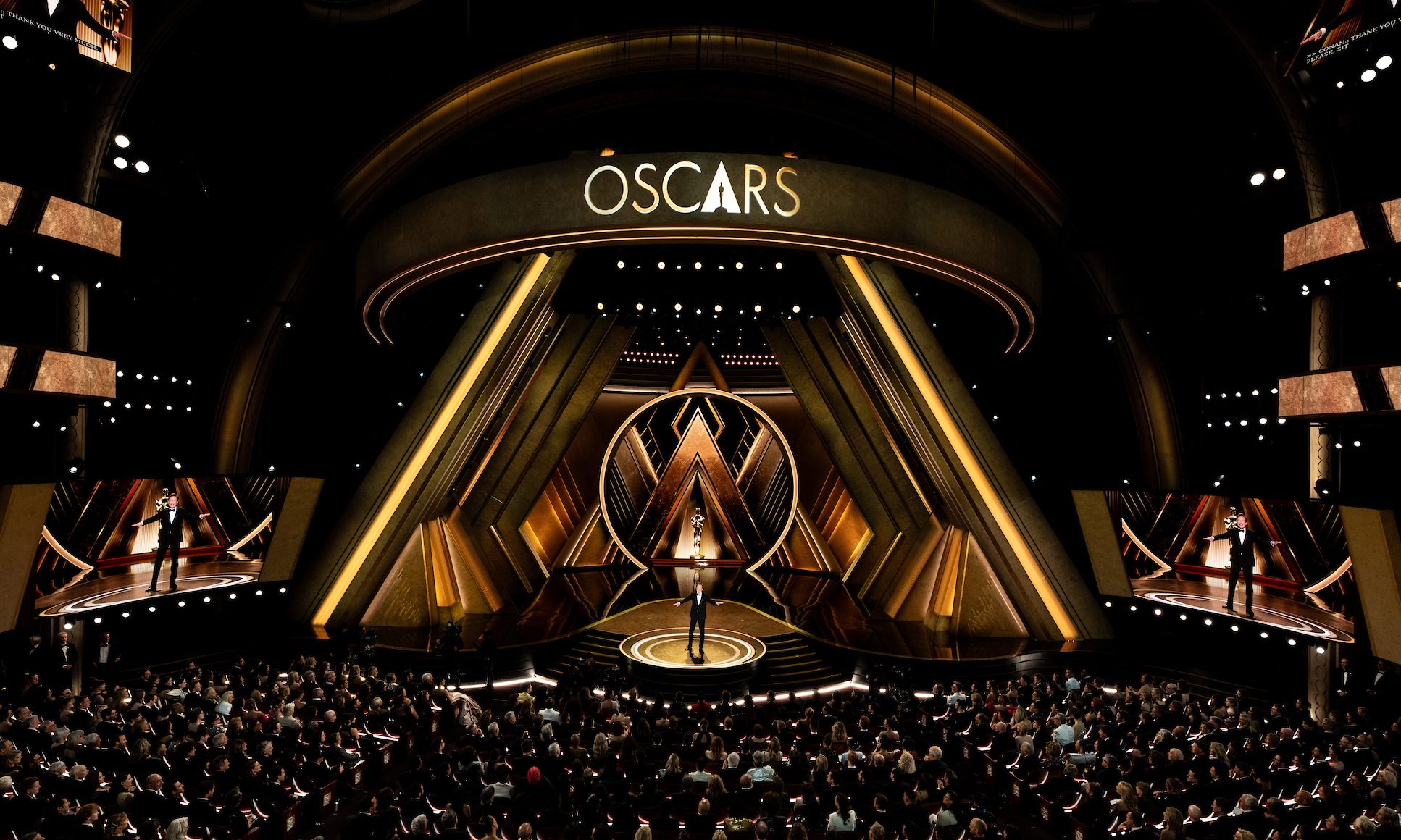
Similarly, the Academy has drawn a clear line in writing categories. To qualify for awards such as Best Original Screenplay or Best Adapted Screenplay, a film must have an explicitly credited human writer. The rulebook states that the screenplay must be “human-authored,” effectively excluding scripts generated entirely by AI systems.
AI Tools Allowed, But Not Awarded
While AI cannot be credited as a performer or writer, the Academy has not banned its use in filmmaking. The rules acknowledge that generative AI and other digital tools can be used during production. However, their presence does not influence a film’s chances of nomination or winning.
Instead, the Academy will evaluate how much of the creative process is driven by humans. If AI tools are used, voters will consider the degree of human authorship when assessing a film. The Academy has also reserved the right to request additional details from filmmakers if questions arise about how AI was used in the project.
Why This Decision Matters
The clarification comes at a time when AI is increasingly being used in creative industries, including film production. From de-aging actors to generating scripts and visual effects, AI tools are becoming more common. The Academy’s decision establishes a clear boundary, ensuring that awards continue to recognize human creativity rather than machine-generated output.
This move also addresses ongoing debates in Hollywood around authorship, originality, and the role of technology in storytelling. By setting these rules now, the Academy is attempting to maintain the integrity of its awards while still allowing innovation in filmmaking.
What It Means Going Forward
For filmmakers, the message is straightforward: AI can be a tool, but not a credited creator. Productions that rely heavily on AI for writing or performance may face challenges in qualifying for certain categories unless human involvement remains central.
Looking ahead, these rules could shape how studios approach AI in future projects. As the technology continues to evolve, the Academy may revisit or refine its guidelines. For now, however, the Oscars remain firmly focused on celebrating human achievement in cinema, even as the industry adapts to new technological possibilities.