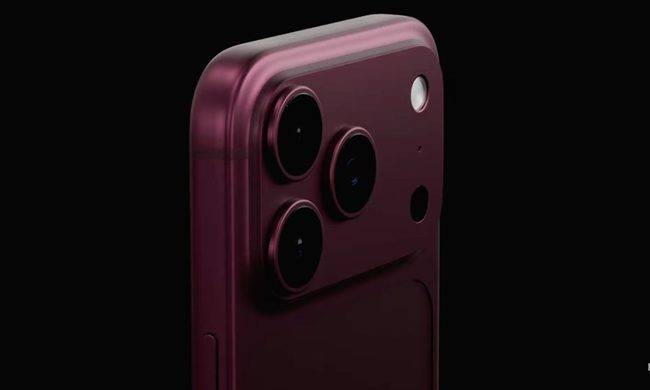
OpenAI could be preparing to enter the hardware space with its first AI-focused smartphone, according to TF Securities analyst Ming Chi Kuo. The device is said to be in active development, with mass production potentially targeted for the first half of 2027. While OpenAI has not officially confirmed these plans, supply chain insights by Kuo suggest the company is accelerating efforts to compete in the emerging category of AI agent-driven devices.
A New Push Into AI Hardware
The reported smartphone is expected to focus heavily on on-device AI capabilities rather than traditional smartphone features. This aligns with a broader industry trend where companies are moving toward “AI agent” devices – products designed to perform tasks, understand context, and interact more autonomously with users.
One of the key details emerging from the report is OpenAI’s potential partnership with MediaTek. The chipmaker is currently seen as the frontrunner to supply the device’s processor, which could be based on a customised version of a future Dimensity chipset. The processor is expected to be manufactured using TSMC’s next-generation process, indicating a focus on efficiency and performance.
Specs Built Around AI Workloads
Unlike conventional smartphones, this device is expected to prioritise AI-specific hardware. Reports point to a dual NPU (Neural Processing Unit) architecture, designed to handle layered AI tasks more efficiently. This could enable faster on-device processing for tasks like real-time language understanding, visual recognition, and contextual computing.
Other expected specifications include LPDDR6 RAM and UFS 5.0 storage, aimed at reducing memory bottlenecks that can limit AI performance. There is also mention of an enhanced image signal processor (ISP), which could improve high dynamic range output and support real-world visual perception – an important factor for AI systems that rely on camera input.
Security is also expected to be a focus, with features like pKVM (protected Kernel-based Virtual Machine) and inline hashing designed to improve data integrity and device-level protection.
Why OpenAI Is Pushing Into AI Smartphones
Industry insights suggest OpenAI’s move into smartphones is driven by the need to fully control both hardware and software to deliver a true AI agent experience. Unlike current devices that rely on apps, AI-first phones are expected to shift toward task-based interactions, where users focus on outcomes rather than navigating multiple applications. Smartphones also provide continuous real-time user context – such as location, activity, and usage patterns – which is critical for AI inference.

Reports indicate OpenAI is working with MediaTek and Qualcomm on custom processors, with Luxshare as a key manufacturing partner, targeting mass production around 2028. The approach will likely combine on-device AI for real-time processing with cloud-based AI for more complex tasks. OpenAI’s strengths in consumer reach, data, and AI models position it well to build a new ecosystem, potentially bundling hardware with subscription services while driving the next major smartphone upgrade cycle.
OpenAI’s potential entry into hardware reflects a shift in how AI companies are approaching product ecosystems. Instead of relying solely on software platforms, companies are exploring dedicated devices to better control performance, privacy, and user experience.
The timing may also be strategic. Reports suggest that a hardware product could strengthen OpenAI’s long-term positioning, particularly if the company is considering major financial milestones such as a future IPO.
What It Means for Users and the Market
If launched, the device could introduce a new category of smartphones centered around AI-first interactions. This may include more proactive assistance, improved real-time processing, and reduced reliance on cloud computing.
For consumers, this could translate into faster responses, improved privacy, and more seamless integration of AI into daily tasks. For the industry, it signals intensifying competition, with more companies racing to define what an AI-native device should look like.
What Comes Next
If development stays on track, production could begin in late 2026, with shipments projected to reach around 30 million units across 2027 and 2028. However, timelines remain speculative, and much will depend on execution, partnerships, and market readiness.
As AI continues to move closer to the device level, OpenAI’s reported plans suggest that the next phase of competition may not just be about better models – but about the hardware that runs them.