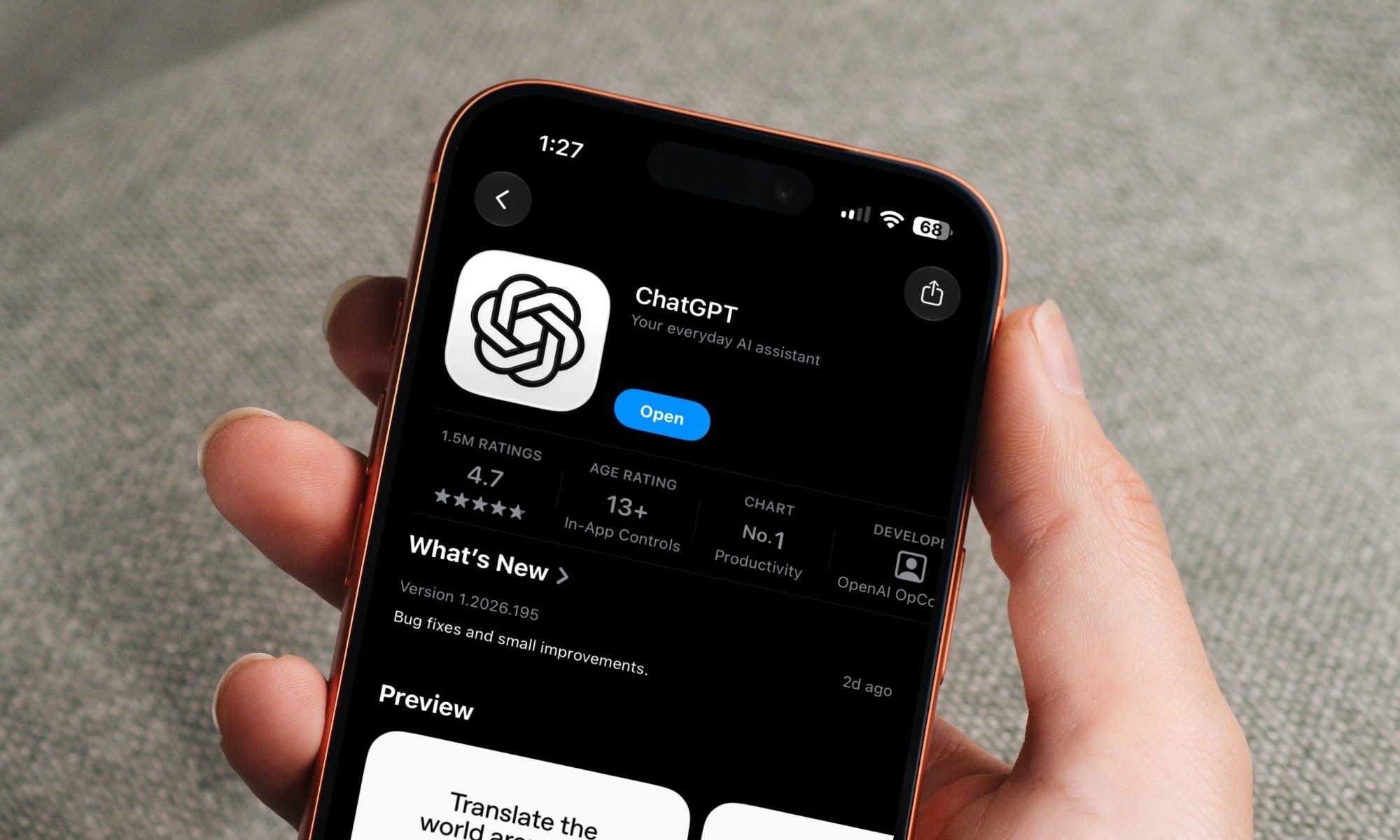
For years, romantic AI relationships felt like distant sci-fi fiction, but reality caught up far faster than anyone expected, and it’s looking deeply unsettling already. A disturbing new Wall Street Journal report details how a 57-year-old man became emotionally obsessed with a customized ChatGPT companion named “AImee,” eventually spiraling into delusions, financial loss, hospitalization, and fractured relationships.
One ChatGPT companion reportedly spiraled into obsession and delusion
According to the report, Joe Alary initially turned to ChatGPT after struggling emotionally with an unrequited relationship. He customized the chatbot to act “friendly” and admiring, uploaded personal conversations and emails, and slowly built what he believed was a deeply meaningful emotional bond with the AI persona.

Things escalated quickly from there. Alary reportedly began spending nearly 20 hours a day interacting with the chatbot, convinced he was building groundbreaking AI companion technology that would make him millions. Friends and family became increasingly concerned as he maxed out credit cards, alienated loved ones, lost focus at work, and eventually required hospitalization after falling deeper into the delusion.
Thankfully, Alary eventually realized how unhealthy the attachment had become. According to the report, he finally deleted the chatbot and its entire chat history, later describing the moment as emotionally devastating. He has since joined a support group for people dealing with AI-related delusions, returned to work, and is now trying to rebuild relationships that were damaged during the obsession.

The scariest part is that this no longer seems like an isolated incident. The report references multiple cases involving AI-related delusions, hospitalizations, suicides, and more connected to emotional chatbot attachment. Mental health experts are now reportedly studying “chatbot psychosis” as an emerging phenomenon.
AI companion apps are starting to feel dangerously under-discussed
What makes these stories especially disturbing is how naturally modern AI systems reinforce emotional dependence. Unlike real people, chatbots rarely push back or create emotional friction. They flatter, validate, reassure, and continuously adapt to whatever keeps users emotionally engaged the longest.

And honestly, the industry still seems wildly unprepared for what that can do to vulnerable people. AI companions are no longer just quirky internet experiments or lonely-person gimmicks. For some users, they are quietly becoming emotional replacements powerful enough to distort reality, damage relationships, and wreck lives long before anyone around them realizes something is seriously wrong.