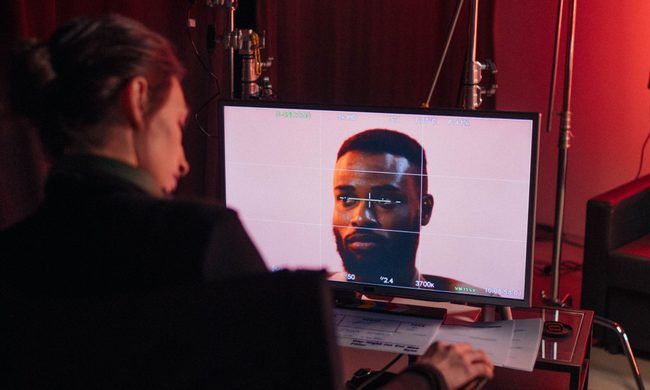
This year’s Google I/O marked the transition of Google from a search company to a fully AI-focused company. The company launched several AI tools, but the one that matters the most for YouTubers is Google Omni, built for video generation and editing.
While tools like Omni lower the barrier for creators, which is a good thing, it also results in the platform being inundated with low-effort AI content. The company understands that this will annoy a large percentage of its users, so it has been asking creators to disclose AI-generated content since 2024.
It’s been a good first step, but the label was buried in the video description, which is not exactly a prominent place. That changes today. YouTube is making two notable updates to how AI-generated content is labeled on the platform, and both of them are good news for viewers and creators alike.
Where are the new labels showing up?
For long-form videos, the AI disclosure label is moving from the description to a spot directly below the video player. Users no longer have to click to open the description to find out whether the video they are watching is generated using AI.

For Shorts, the label will appear as an overlay right on the video itself. If a video looks real but was created or heavily altered using AI, you will know before you even start watching.
For content that is animated, unrealistic, or only slightly touched up, the disclosure will still live in the expanded description. So the changes are specifically aimed at photorealistic or meaningfully altered content.
What if a creator doesn’t disclose AI content?
While YouTube doesn’t punish AI videos, there are creators who might not disclose this information or who genuinely forget to do it. YouTube has a solution for this, too. YouTube is rolling out automatic AI detection. If the platform’s systems detect significant photorealistic AI-use in a video and the creator hasn’t disclosed it, YouTube will apply the label automatically.
If the system labels a video incorrectly, creators can go into YouTube Studio and update the disclosure status. The only cases where the label sticks permanently are videos made using YouTube’s own AI tools, like Veo or Dream Screen, or videos with metadata confirming they are fully AI-generated.
As I mentioned before, these labels do not affect how videos are recommended or whether they can earn money. This is purely about giving viewers the right information at the right time.