1. Home
  2. Wearables
  3. Features

Open-ear earbuds are the new headphones for people who want plausible deniability

They keep the room audible, the podcast running, and the social contract just blurry enough to survive another workday.

Add as a preferred source on Google
Simon Cohen wearing Bose Ultra Open Earbuds for Personal Surround Sound with a Bose Smart Soundbar.
Simon Cohen / Digital Trends

I like noise-canceling earbuds because the outside world has a way of barging in without permission. A few blocks to the gym shouldn’t require hearing every motorcycle, car horn, or construction drill the city can throw at me.

The problem shows up on the walk back, usually when I stop to buy something. Suddenly, I’m at the checkout counter holding my earbuds like tiny expensive pebbles, trying not to be rude, trying not to drop them, and somehow making the whole thing look more dramatic than it needs to be. Then one slips, and I’m bent over looking for inconspicuous black earbuds on hot asphalt.

So yes, I get the appeal.

Why open-ear earbuds sound so reasonable

That tiny annoyance is where this category starts making sense. Shokz built its name on bone-conduction headphones for runners and cyclists, while Bose and Sony have pushed designs that sit outside the ear instead of sealing it shut.

It’s a good pitch. Sealed earbuds make the social signal obvious. Open-ear models leave more room for negotiation. Traffic still cuts through. Coworkers still exist. Boarding announcements, checkout small talk, and someone asking whether you’re “free for a quick sync” can still reach you. You can keep a playlist, podcast, or call running and still look like a basically functioning member of society.

Recommended Videos

That convenience is hard to argue with. Naturally, that’s when it starts looking suspicious.

When available starts getting blurry

The office version gets weirder. Big headphones send a clear message. Noise-canceling earbuds do, too. They say, fairly or not, that you’re working, hiding, concentrating, or choosing not to hear anyone describe a calendar invite out loud.

Open-ear models soften that signal. Someone can say your name, and you can probably answer without removing anything. Maybe that’s considerate. Maybe the room has just become another background layer, tucked somewhere behind a podcast, a playlist, a call, or some AI voice telling you what to do next.

It creates a neat little social loophole. You’re technically reachable, but not fully there.

How constant listening learned to behave itself

This goes beyond earbuds, which is usually when a harmless gadget starts acting too pleased with itself. The same logic fits audio glasses, smart glasses, wearable AI, and every other device that wants to disappear while staying on.

The hardware isn’t the villain here. For runners, commuters, travelers, and people who need situational awareness, it can be the difference between enjoying music and missing something important. I’d rather notice a car coming than enjoy one last crisp chorus before becoming a cautionary tale.

The office version leaves a stranger aftertaste. Awareness becomes the product feature, while the habit underneath stays the same: constant stimulation with better manners. Open-ear earbuds don’t shut the world out. They renegotiate the terms.

I’ll hear you if I must, but until then, I’d rather be somewhere else.

Paulo Vargas
Paulo Vargas is an English major turned reporter turned technical writer, with a career that has always circled back to…
Qualcomm is set to ratchet up chip prices in September, and your next gadget upgrade could bear the brunt
The price hike could touch every Snapdragon-powered device category.
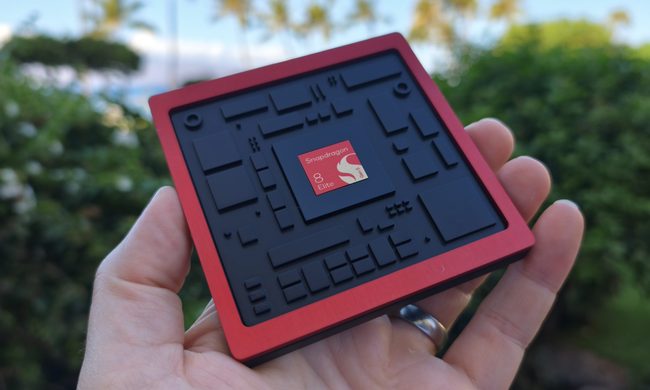
The new Qualcomm Snadragon 8 Elite Gen 5

I want you to sit with this for a second. Qualcomm, the company whose Snapdragon chips sit inside your Android phone and tablet, your Windows laptop, your Meta smart glasses, your Galaxy Watch, and your wireless earbuds, reportedly sent a letter to every major customer telling them prices are going up by double digits. 

The price hike will be in effect from September 1, 2026, a recent Bloomberg report claims. Essentially, all the companies placing their chip orders after that will pay a higher price. 

Read more
Slacked off all summer? Here are 3 fitness trackers that’ll help you stay accountable as you head back to school
Three trackers, three price points, three totally different approaches to keeping you honest about your own goals.
A person wearing the Whoop 5.0.

Summer break did what it usually does. Your sleep schedule drifted, workouts happened less often than you'd hoped, and by the time August rolled around, you were feeling it. You've got a plan to get back on track once the school year starts and your days have more structure, but you know how that usually goes. The first two weeks are solid, then the routine quietly slips.

A fitness tracker won't get you off your couch. What it will do is put a number in front of you every day, one that makes it obvious whether you stuck to your goal or slacked off. That small bit of visibility is often the difference between meaning to work out and actually doing it. Back-to-school season is a good time to buy in, since you're already resetting more than one part of your routine, and the overlap makes the habit more likely to stick. To keep the odds in your favor, here are three fitness trackers that can help you stay accountable and actually hit your goals.

Read more
Galaxy Watch 9 vs. Watch Series 11: Has Apple finally met its smartwatch match?
From AI-powered health coaching to outdoor fitness tracking, here's how Samsung's Galaxy Watch 9 stacks up against Apple's Watch Series 11.
Wristwatch, Arm, Body Part

These days, the real battleground between smartwatches is who can turn a wrist-worn, sensor-loaded device into something that resembles a personal fitness trainer, and this year's crop of flagship wearables takes that fight more seriously than ever. 

Samsung just refreshed its mainstream Galaxy Watch line with a new silicon and a batch of clinically-backed health tools, landing squarely on Apple's home turf of preventive wellness tracking. Apple, for its part, has spent the better part of a year letting its Series 11 sit as the reigning pick for anyone inside its ecosystem, propped up by a software catalog few rivals match feature-for-feature. 

Read more