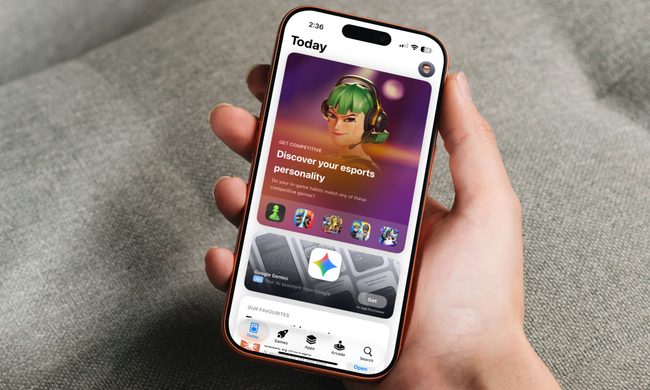
Ad blockers have traditionally lived inside web browsers, quietly cleaning up websites while leaving the rest of your apps untouched. A new tool called Filtr now wants to change that by bringing system-wide ad and tracker blocking to Apple devices, potentially reshaping how users experience apps across iPhones, iPads, and Macs.
Filtr is being positioned as a privacy-focused utility capable of blocking advertising and tracking requests in almost every app installed on Apple devices. Built by the developer behind the Wipr ad blocker, the tool reportedly uses Apple’s newer URL Filtering framework introduced in recent operating system updates. Instead of relying on a traditional VPN tunnel to inspect traffic, Filtr works directly through Apple’s native filtering systems to identify and stop unwanted network requests before they load.
Apple’s ecosystem may be entering a new phase of ad blocking
What makes Filtr particularly interesting is that it goes beyond Safari. Most existing ad blockers mainly clean up websites inside browsers, but mobile advertising has increasingly shifted into standalone apps where users spend most of their time. Social media apps, free games, shopping platforms, and even productivity tools now rely heavily on embedded advertising and data-tracking systems.
Filtr’s approach could allow users to block many of those systems at the operating-system level. That means fewer banner ads, fewer autoplay videos, and potentially less user tracking happening behind the scenes while apps communicate with ad networks and analytics services.

For users, the benefits could extend beyond simply making apps look cleaner. Blocking trackers can reduce background data collection, improve page and app loading times, and even lower battery and mobile data consumption. It could also simplify privacy management by removing the need for separate browser extensions or app-specific blockers.
The launch also reflects a growing shift in consumer expectations around digital privacy. Apple has spent years positioning privacy as a major selling point for its devices, introducing features like App Tracking Transparency and stricter controls around data access. Filtr appears to build on that momentum by giving users more direct control over how apps interact with advertising systems.
Developers, advertisers, and Apple may all feel the impact
The bigger implications, however, could create tension across the app ecosystem. Many free apps depend heavily on advertising revenue to survive. If system-wide ad blocking becomes widely adopted, developers may be forced to rethink how they monetize their apps, potentially pushing more services toward subscriptions, premium tiers, or paywalls.
Advertisers and analytics companies may also look for ways to bypass Apple’s filtering tools if apps begin losing visibility into user behavior. Similar battles played out during the rise of browser-based ad blockers over the last decade, and a new wave of platform-level blocking could reignite that fight inside mobile ecosystems.
What happens next will likely depend on how effective Filtr proves to be once users begin testing it at scale. Apple’s willingness to continue supporting these filtering capabilities will also play a major role in determining whether system-wide ad blocking becomes mainstream on iPhones and Macs.
If Filtr succeeds, it could mark one of the most important changes to app privacy on Apple devices in years – one that gives users more control over their digital experience while challenging the business models powering much of the modern internet.