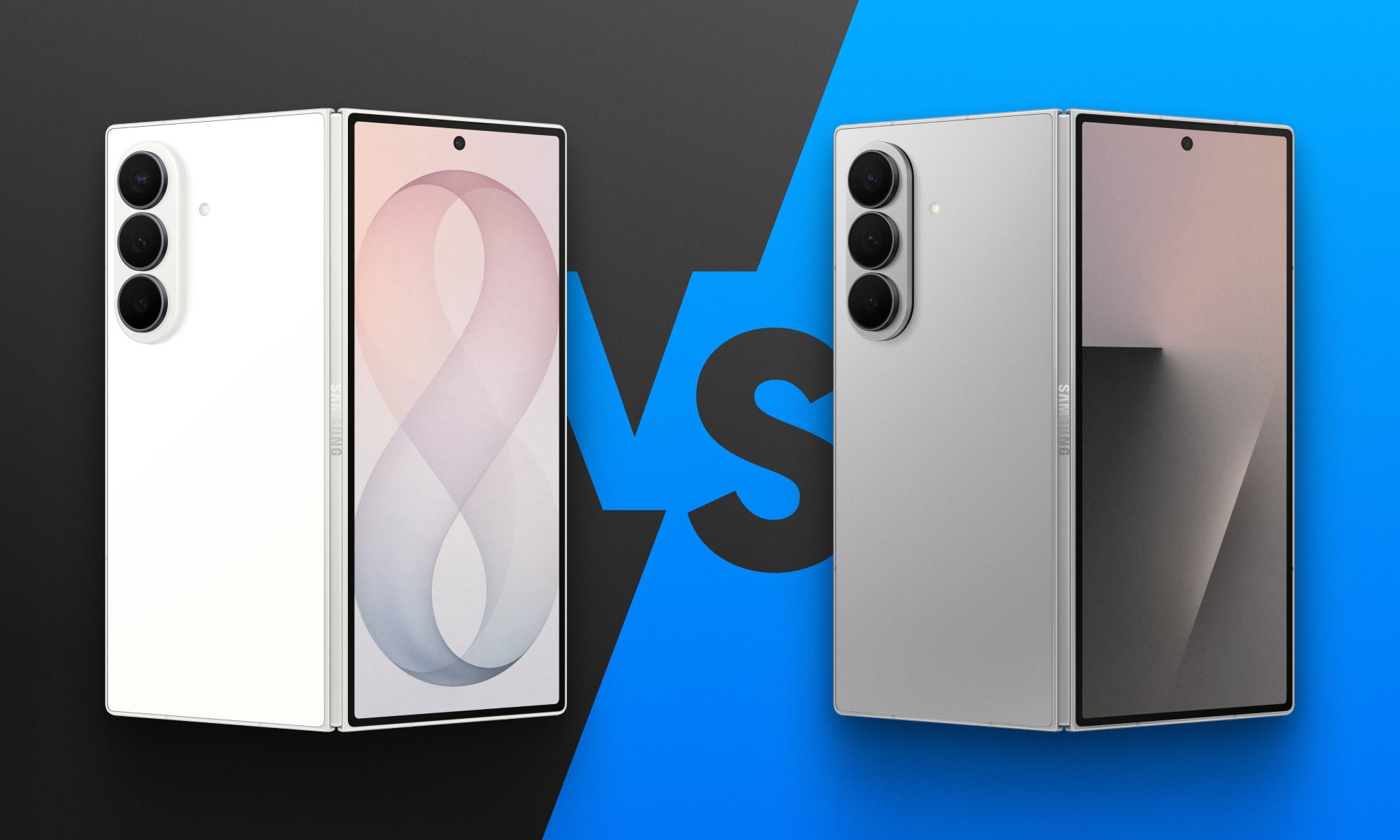
Samsung just wrapped up its glitzy Unpacked event, revealing three new foldable phones and a pair of smartwatches. While my heart flutters for the pocketable Galaxy Z Fold 8, it’s the Ultra variant that truly feels like a refinement. Interestingly, when you look at the Galaxy Z Fold 8 Ultra for the first time, you might mistake it for the Galaxy Z Fold 7.
Both of them look identical, and Samsung has not made any visible changes on the Galaxy Z Fold 8 Ultra for it to stand out from its predecessor. Color options, obviously, are fresh this time around, but there are a few changes that have been made under the hood, and they make this phone feel like a practically rewarding iteration.
A tale of subtle polish
Let’s start with the more meaningful changes that I noticed within minutes. When I tested the Galaxy Z Fold 7 last year, I was pretty impressed by how thin and light it was. But it had a practical problem: the edges were just too sharp, and the corners dug into the palm. On the Galaxy Z Fold 8 Ultra, Samsung has made the corners a tad more rounded and ergonomically forgiving.
A Samsung product team executive at the event told me that the edges have been deliberately softened, and you certainly feel that subtle change in your hands. It’s more comfortable to hold, especially if you are someone who keeps a tight grip on their smartphones.
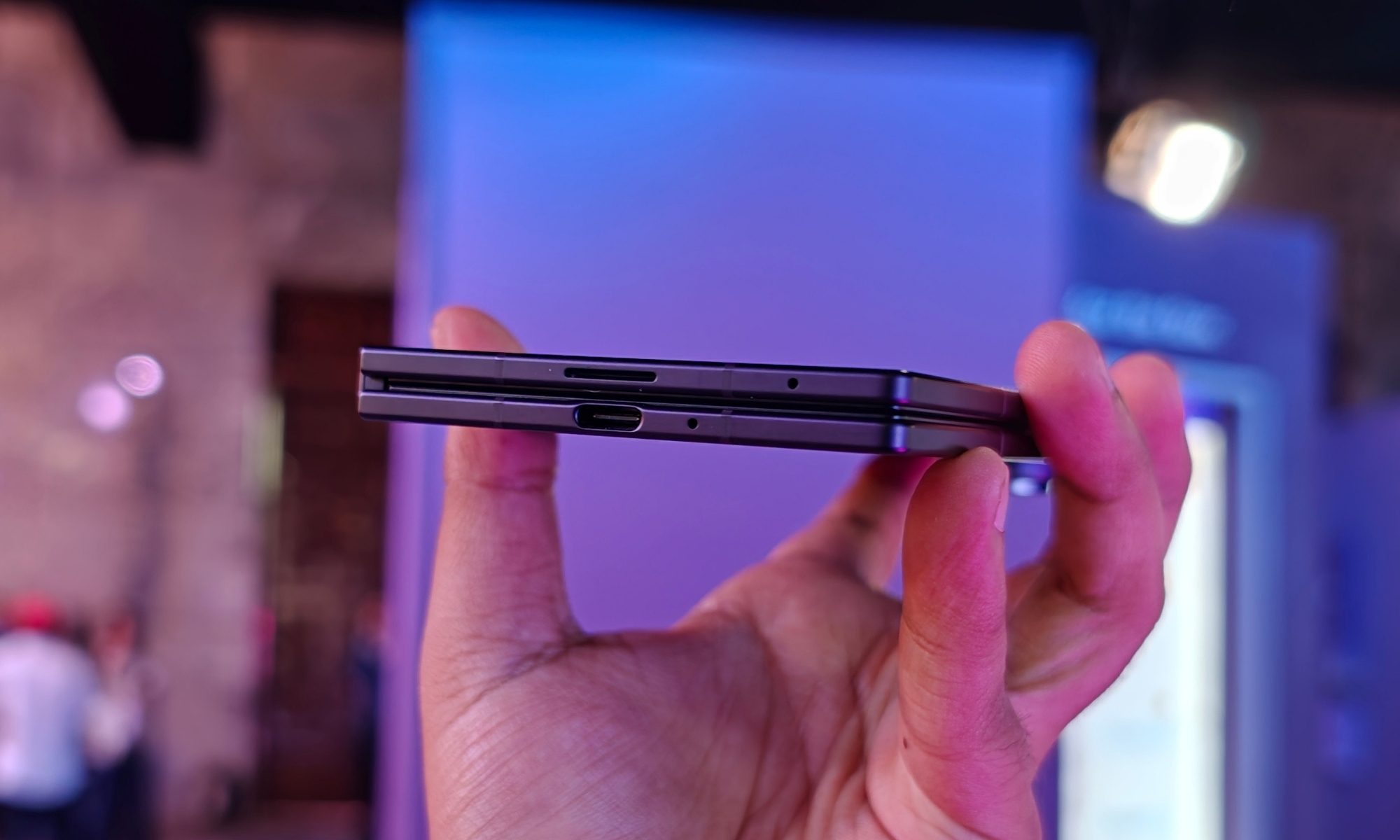
Another subtle engineering refinement is aimed at the opening and closing mechanism. The groove between the two halves of the phone when it’s closed is now a tad deeper. As a result, the Galaxy Z Fold 8 Ultra feels tangibly easier to open compared to the Galaxy Z Fold 7. The hinge mechanism has also been refined, and it now takes less force to pry the phone open or close it shut with one hand.
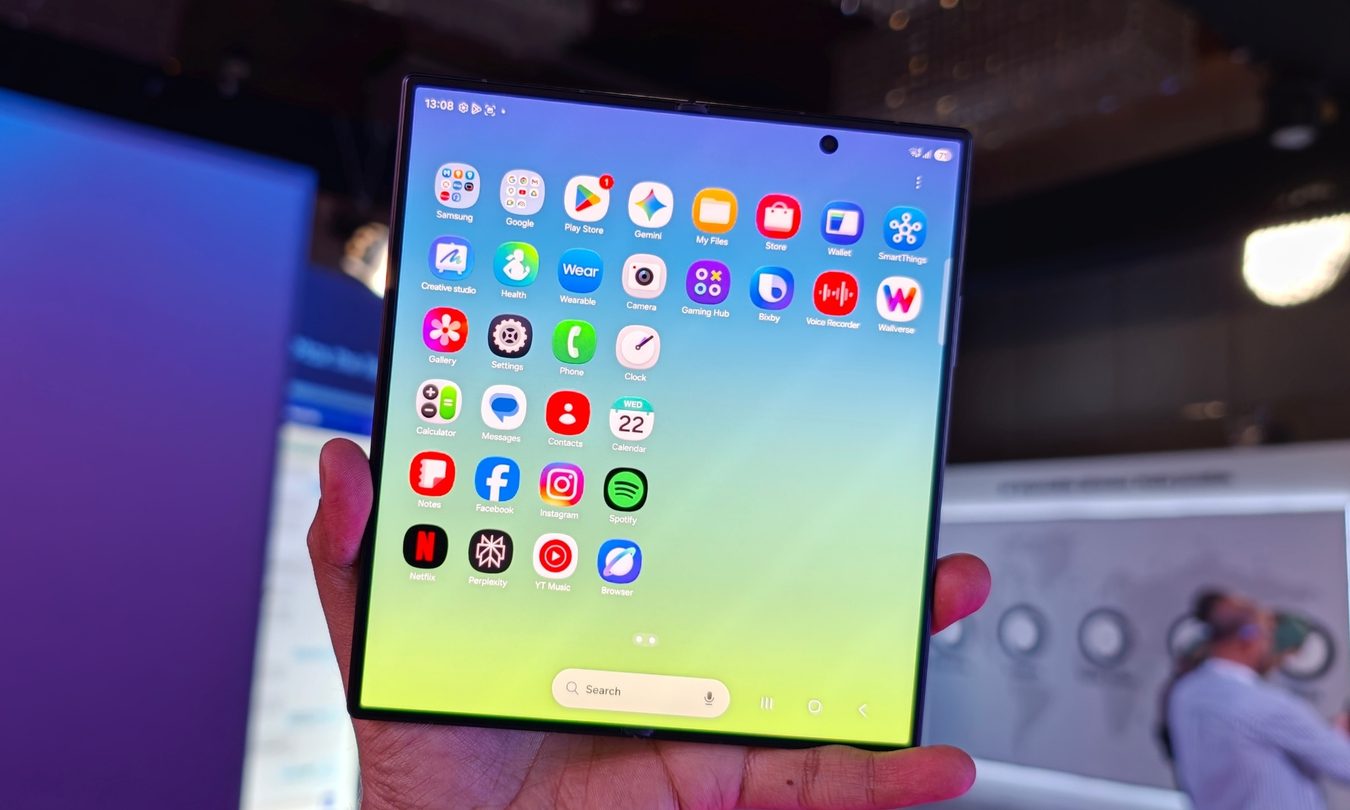
Let’s talk about the inner flexible display, which has received the bulk of the design attention. The crease is now less obvious, even though it’s not quite at the same level as the Oppo Find N6. The difference is pretty subtle. When I switched to the main display on the Galaxy Z Fold 8 Ultra for the first time, I really couldn’t make out the vertical ridge.
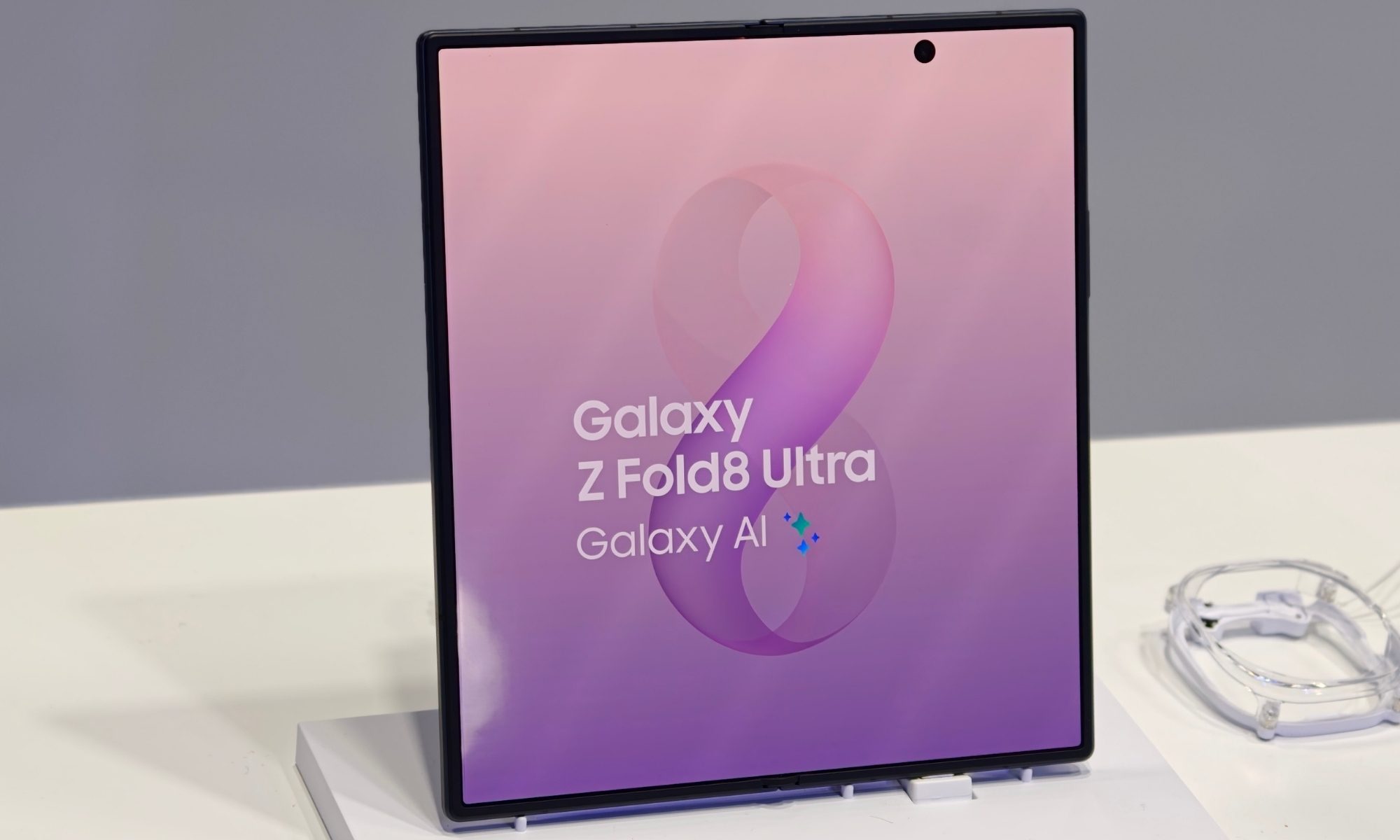
Only when light falls on it from a certain angle, or the brightness levels are low, do you notice the subtle warping that is visible in the area where the flexible OLED panel folds in half. Samsung has also put an anti-reflective coating on the panel, and you definitely will feel its benefits, whether indoors or under the sun. For years, the foldable screen on Samsung’s smartphones has felt a little too plasticky and shiny.
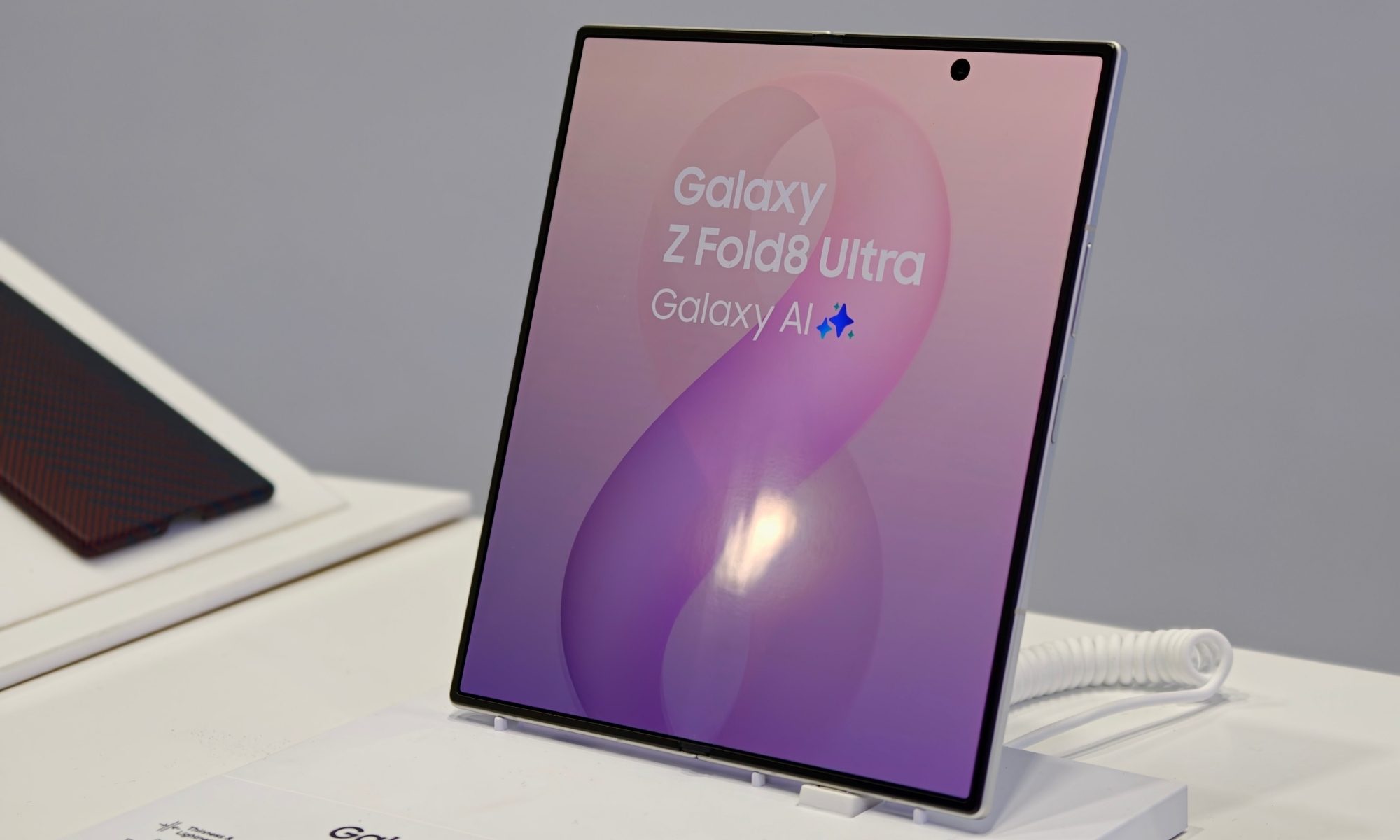
I struggled with light glare on these panels almost every single day. Thanks to the new coating, the Galaxy Z Fold 8 Ultra’s 8-inch flexible display does a much better job of minimizing reflection artifacts. Even when the display brightness levels are set close to the halfway mark, you won’t be struggling with any glare or reflection issues that can ruin the viewing experience.
Samsung has actually revised the entire hinge and display architecture. There is now a titanium plate underneath the panel, and it has helped achieve a much flatter profile on the inner OLED screen. Samsung also told me that the hardware is now more durable. However, the company told Digital Trends that the increased durability has not actually resulted in better ingress protection, or what you might popularly know as an IP rating.
Plenty of hidden refinements
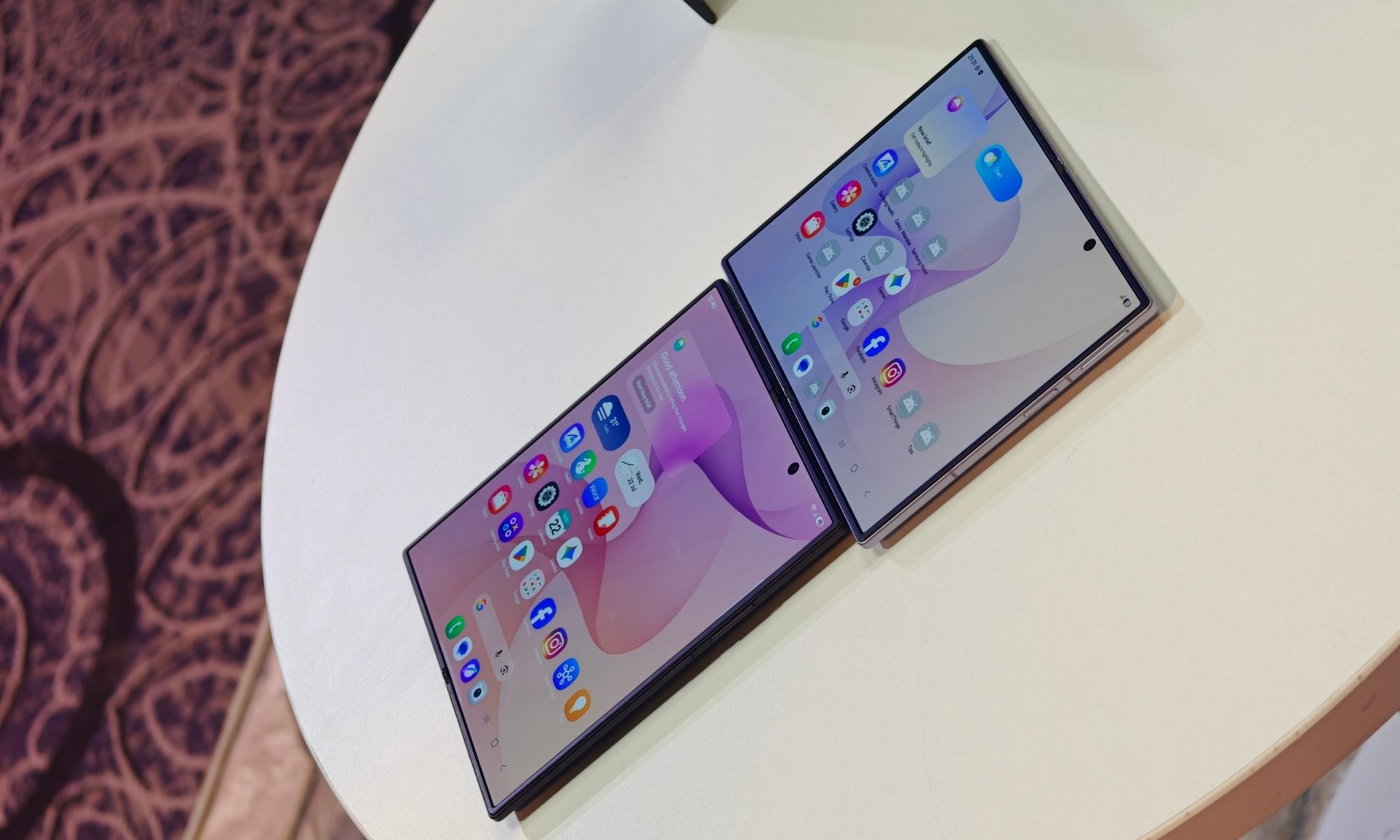
Aside from a shallow display crease, Samsung has also made a handful of other crucial upgrades. For example, the inner 120Hz OLED display still measures 8 inches across, but it is now sharper (422 ppi vs 376 ppi pixel density). Moreover, it’s also brighter and reaches a peak output of 3,000 nits, supported by the proprietary Vision Booster tech.
So far, foldable phones have struggled with two core issues — fragile hardware and display compromises. On the Galaxy Z Fold 8 Ultra, Samsung has tried to address both problems. It has not quite reached the summit of engineering excellence for a foldable phone, but its latest flagship gets as close to the dream as it gets.
Beyond the display and hinge refinements, Samsung has also made a few crucial improvements. The battery capacity has gone up to 5,000 mAh, and the charging speeds have also received a notable boost. The wired charging pace has climbed all the way up to 45W, and despite the bigger battery, the phone can now go from zero to 67% in just 30 minutes.
For comparison, the Galaxy Z Fold 7 could only reach 50% charge in the same span. The imaging hardware has also received an upgrade. The ultrawide snapper has now shifted to a more powerful 50-megapixel sensor, and it now sits alongside a 200-megapixel main camera and a 10-megapixel telephoto lens, with 3X optical zoom support.
What else?
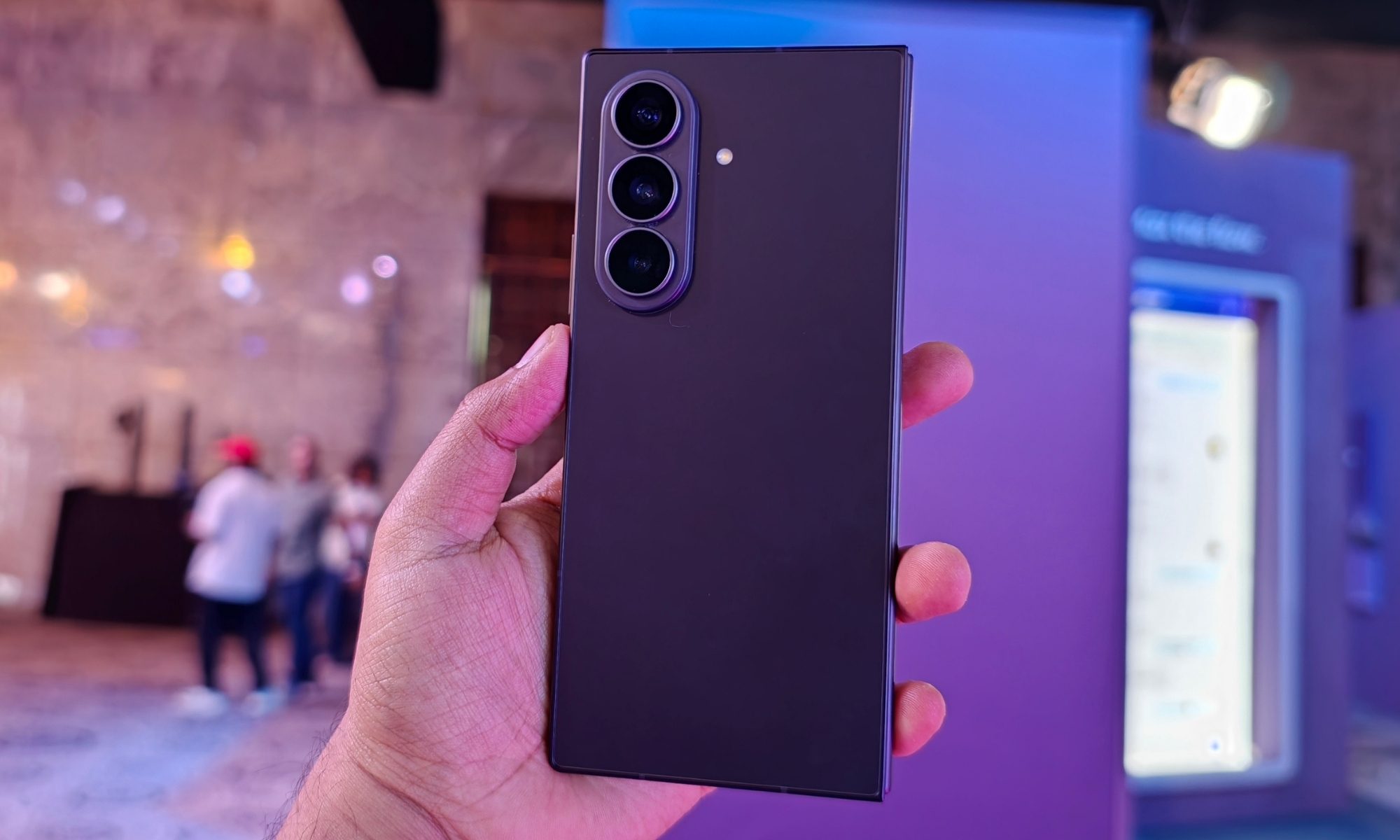
Of course, there is a new Qualcomm processor ticking at its heart, and there are a whole bunch of software upgrades to go along with it. The AI integration now runs deep into apps, which means you can actually get work done with just voice commands. Google’s new Gemini Intelligence system lands support for over 40 apps, while the updated Smart Switch app makes it even easier for iPhone users to embrace Samsung’s Android foldable by just scanning a QR code without ever having to deal with a USB cable.
After spending a few hours with the Galaxy Z Fold 8 Ultra, I came to an unsurprising conclusion. This is a phone that has dimensions identical to its predecessor. The weight has remained unchanged. The design has not received any visible lift. And yet, it feels like a practical upgrade that you will feel more in your hands than the specs table would make you believe.
Of course, starting at $2,099.99, it’s not cheap by any stretch of the imagination. In fact, if you already have the Galaxy Z Fold 7 in your pocket, you don’t need to concern yourself with any upgrade conundrums. But if you are someone who is finally ready to embrace a foldable phone, the Galaxy Z Fold 8 Ultra is pretty close to a perfect recipe. The hardware and software have finally achieved harmony, and I can’t wait to put this one through its paces.
Stay tuned for a deeper dive coming soon!