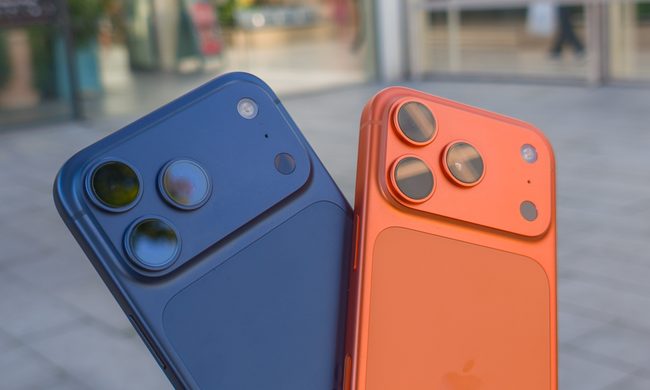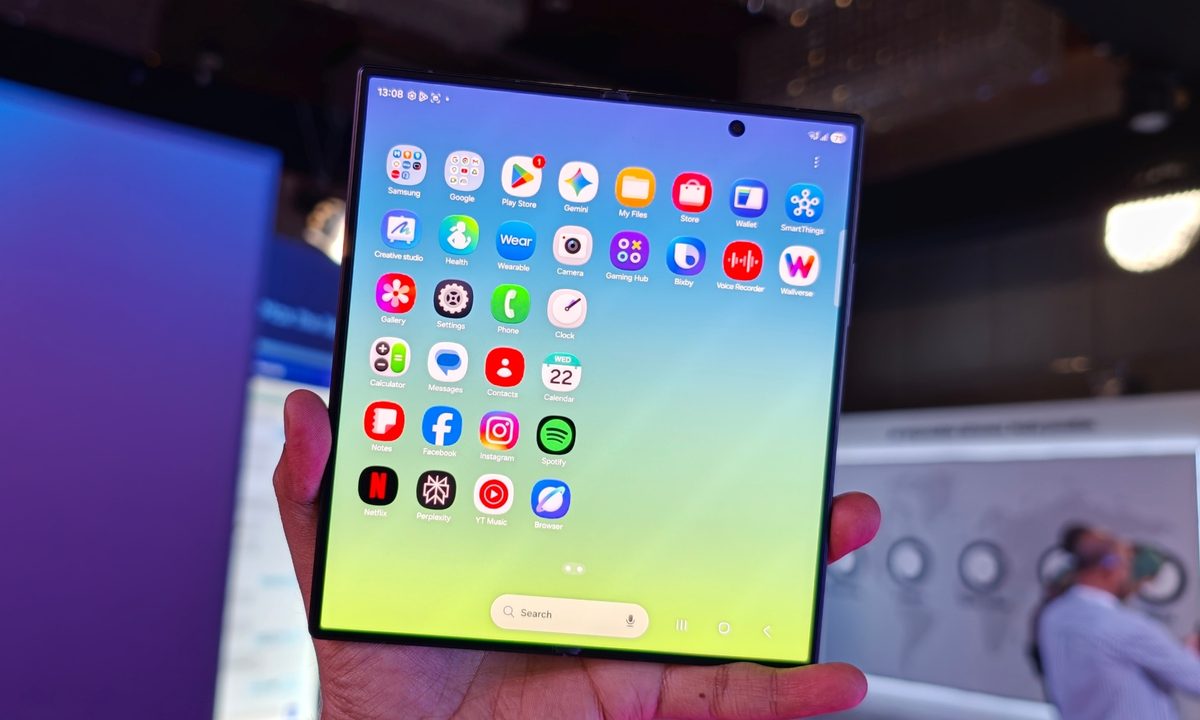
Samsung’s latest Galaxy Unpacked event wasn’t just about new hardware. Alongside the Galaxy Z Fold8, Galaxy Z Flip8 and new Galaxy Watch lineup, Google used the occasion to announce a series of updates aimed at Android developers, encouraging them to optimize apps for a growing range of foldable devices and wearable form factors.
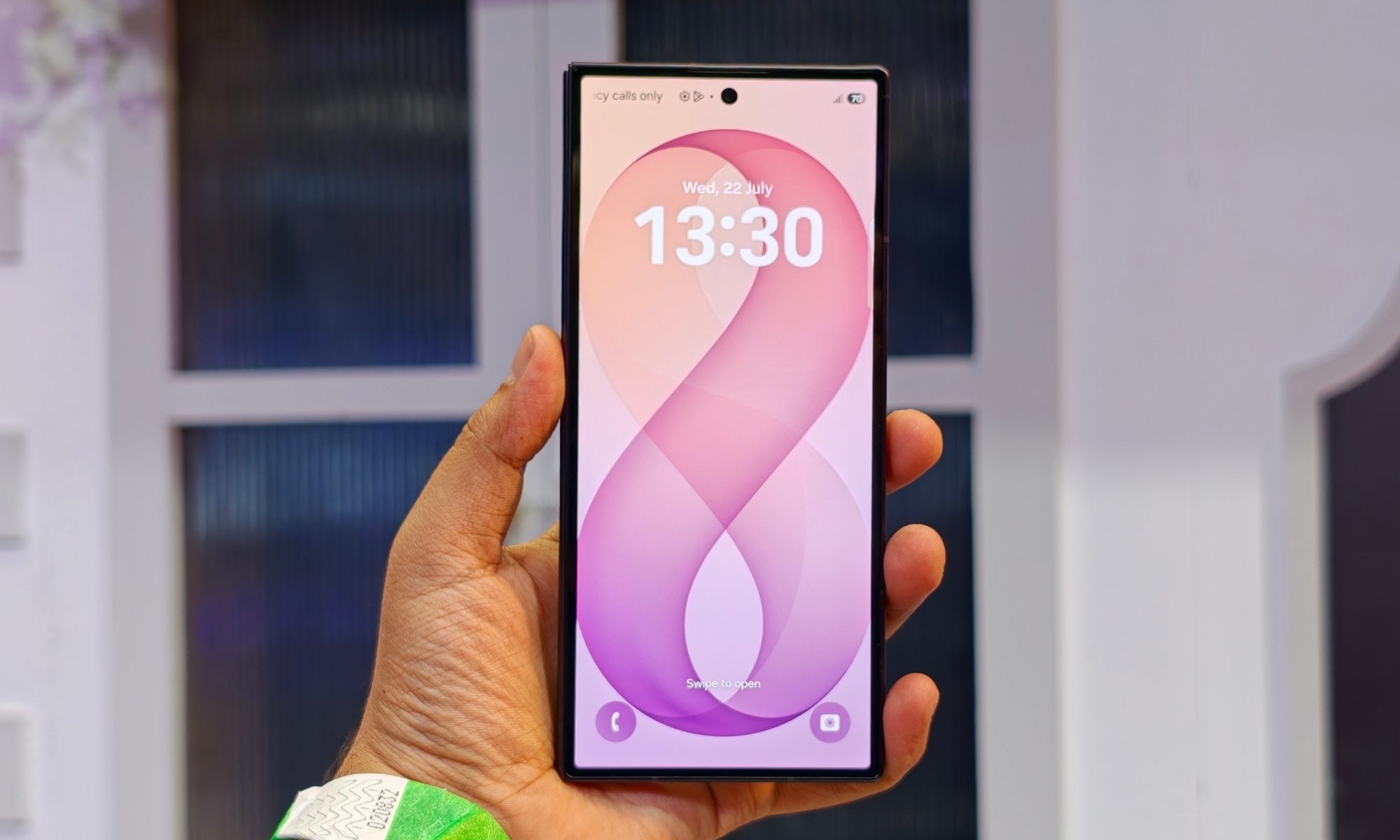
The guidance focuses on one challenge that has become increasingly relevant as foldables evolve: building apps that work seamlessly across different screen sizes, aspect ratios and device postures. With the Galaxy Z Fold 8 adopting a wider, landscape-first display, Google says developers can no longer assume every Android phone follows the traditional portrait-first design philosophy.
The company has also introduced new tools for camera apps, adaptive layouts, AI-powered features and Wear OS 7 widgets, making this one of its broader developer updates around Android’s expanding device ecosystem.
Google expands adaptive app toolkit for foldables
The biggest change is Google’s renewed focus on adaptive app design. Instead of designing apps around fixed screen dimensions, Google is encouraging developers to build interfaces that automatically adjust based on the available window size. The company recommends using Window Size Classes through the Jetpack WindowManager library to detect how much screen space an app actually has, particularly when devices enter split-screen or multi-window modes.
Google is also highlighting the latest Jetpack Compose April 2026 release (Compose BOM version 2026.04.01), which introduces a new Grid API, FlexBox layout API, and MediaQuery API. Together, these tools allow developers to build layouts that can adapt to changing screen sizes, fold states, keyboard configurations, and device posture without relying on hardcoded interface rules.
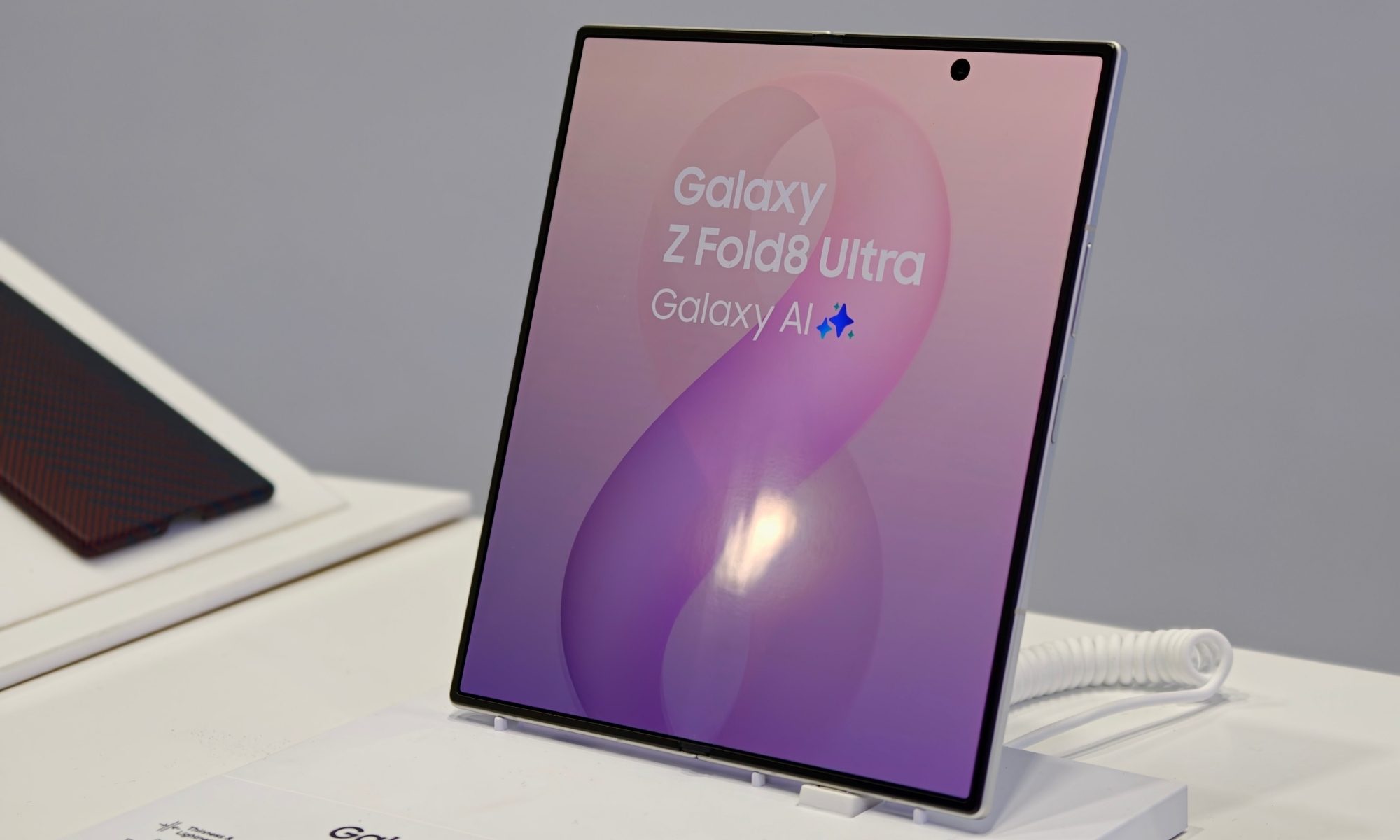
The company is also asking developers to make apps “fold aware” by detecting hinges and fold lines through Jetpack WindowManager. That allows applications to avoid placing important controls across the fold while maintaining app state when users switch between folded and unfolded modes.
Camera apps are receiving attention as well. Google recommends migrating to CameraX, whose PreviewView automatically manages camera orientation, scaling, and display changes during folding transitions. Developers maintaining Camera2-based apps can instead use the CameraViewfinder library to simplify preview handling without rewriting their camera stack.
Wear OS 7 and Gemini Nano 4 open new opportunities
The updates extend beyond foldable phones. With Wear OS 7, Google is introducing Wear Widgets, allowing developers to build glanceable widgets using Jetpack Glance and RemoteCompose. These widgets can now appear inside multi-widget tiles, giving third-party developers access to functionality that was previously limited to Google’s own apps.
Google is also encouraging developers to build on-device AI experiences for Samsung’s latest devices. The new Galaxy foldables ship with Gemini Nano 4, which supports more than 140 languages and improved multimodal capabilities. Through ML Kit’s Prompt API, developers can integrate structured outputs and reasoning features into apps without relying entirely on cloud-based AI processing.
While these announcements don’t introduce new Android features for end users, they provide an early look at where Google’s software priorities are heading. As foldables become more diverse and wearables continue to evolve, Android developers are being encouraged to build apps that adapt to changing hardware rather than assuming every device looks and behaves like a conventional smartphone.