Ferrari’s first electric car, the Luce, had a rough start. When it debuted in May, social media dragged its styling, comparing it to cars a tenth of its price, and investors weren’t thrilled either, sending Ferrari’s Milan-listed shares down more than 8% after the unveiling. Even former Ferrari chair Luca Cordero di Montezemolo jumped in, saying the car didn’t deserve to wear the prancing horse badge.
Fast forward two months, and according to a Financial Times report citing people familiar with the matter, Ferrari has quietly achieved its 2026 sales target for the Luce. The company hasn’t officially confirmed a number, but sources say it was aiming to sell just under 500 units this year, a target it reached sometime in July.
Not bad for a €550,000 EV designed by former Apple design chief Jony Ive that half the internet loves to hate.
So who’s actually buying this thing?
Sources close to Ferrari say demand from Chinese buyers has been particularly strong, and feedback from tech entrepreneurs in Silicon Valley has also been positive. That tracks with Ferrari’s own strategy here. The company has said the Luce is meant to appeal to a newer, younger, wealthier crowd already comfortable driving EVs, while its old-school petrolhead collectors are being left alone entirely. Dealers were reportedly told not to push traditional buyers toward the electric model.
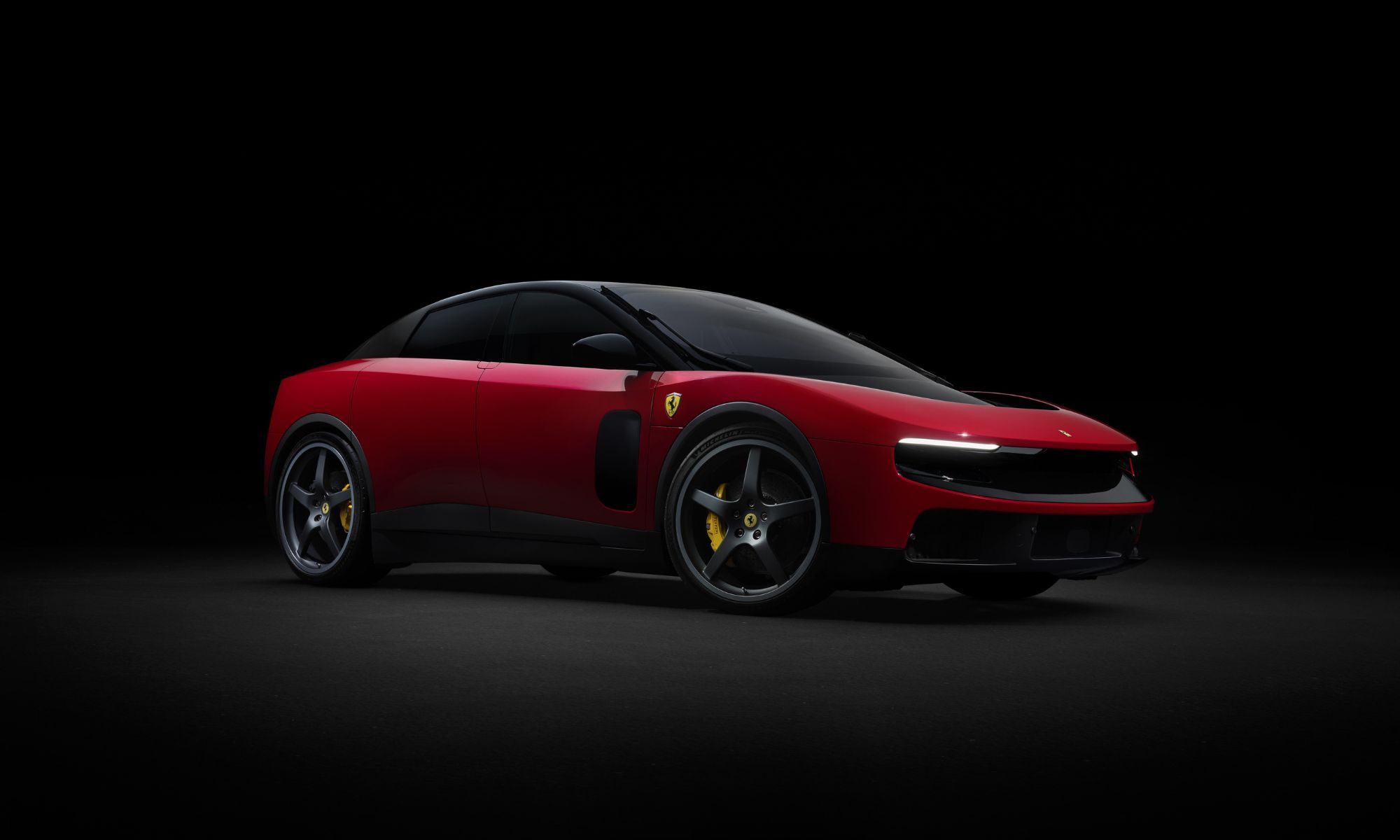
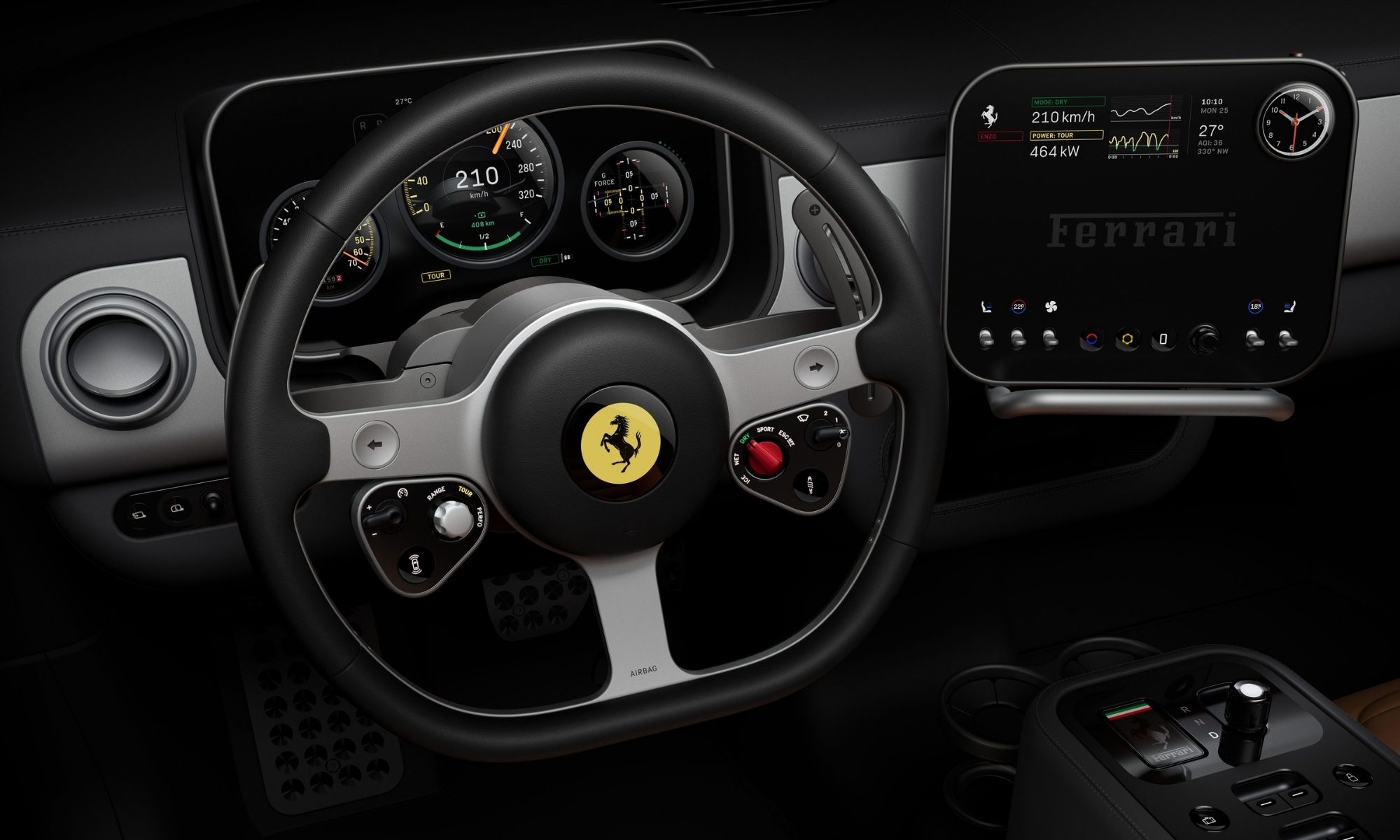
The bigger goal now is to sell 2,500 Luce units by 2030, roughly 600 per year, which would make up about 5% of Ferrari’s total sales. Analysts seem to think that’s realistic. CEO Benedetto Vigna has insisted that Ferrari’s push into EVs won’t hurt its 30% operating margin because the company is intentionally keeping production volumes low.
Why online hate doesn’t always reflect reality
The initial success of Ferrari Luce is another reminder that the online hate reaction for any product should be taken with a pinch of salt. It’s the actual buyers and consumers who eventually decide whether a product is successful.
Another recent example of this effect from a different domain entirely is Christopher Nolans’ movie Odyssey. When the trailer launched, the movie was mocked mercilessly for its armor design and casting choices, among other things.
And now, only 12 days after release, the movie has earned over $700 million, making it a huge commercial success. So next time you see a product, whether it is a car or a movie being hated online, wait for it to get to consumers before you make a judgment about its premature demise.