  1. Home
  2. Cars
  3. Photo Galleries
  4. Legacy Archives

Jaguar’s F-Type Project 7 just might be the modern-day D-Type we’ve been waiting for

Add as a preferred source on Google

When Jaguar Land Rover Special Operations said it would unveil its first model at the 2014 Goodwood Festival of Speed, we assumed it would show a high-performance F-Type R-S sports car.

It turns out the British carmaker’s bespoke division had something more extreme in mind.

Revealed in leaked images by 4WheelsNews appears to be a sequel to last year’s Project 7, an F-Type-based concept inspired by classic Jaguar race cars.

The Project 7 name represents Jaguar’s seven 24 Hours of Le Mans wins, and its design is inspired by one of the most famous cars to ever compete at the hallowed Circuit de la Sarthe: The D-Type.

In fact, this year marks the 60th anniversary of the D-Type’s debut, something Jag will play up at Goodwood.

Both Project 7 cars feature cut down windshields and headrest fairings that recall that legendary racer. They also feature more aggressive front and rear fascias, rear spoilers, and other aesthetic modifications that bring the all-gorgeous F-Type to a whole new level of sportiness.

The previous Project 7 was powered by Jaguar Land Rover’s ubiquitous 5.0-liter supercharged V8, with 550 horsepower. That also happens to be the engine fitted to the 2015 Jaguar F-Type R.

Which begs the question: Is this Project 7 another concept car, or a production model people will actually be able to buy?

While Jaguar hasn’t confirmed anything, the latter seems likely. JLR’s previous release describes the car as a “product”, not a concept, and it doesn’t make much sense for Special Operations to debut with a concept vehicle that looks exactly like one Jaguar previously showed.

If it does enter production, the Project 7 would probably be offered in very small numbers, making for a handful of happy customers and a lot of envious lookers-on.

Stephen Edelstein
Stephen is a freelance automotive journalist covering all things cars. He likes anything with four wheels, from classic cars…
Tesla launches the six-seat Model Y Long Wheelbase in the US
The stretched electric SUV brings more space, more comfort, and up to 325 miles of range.
Tesla Model Y Long Wheelbase Featured

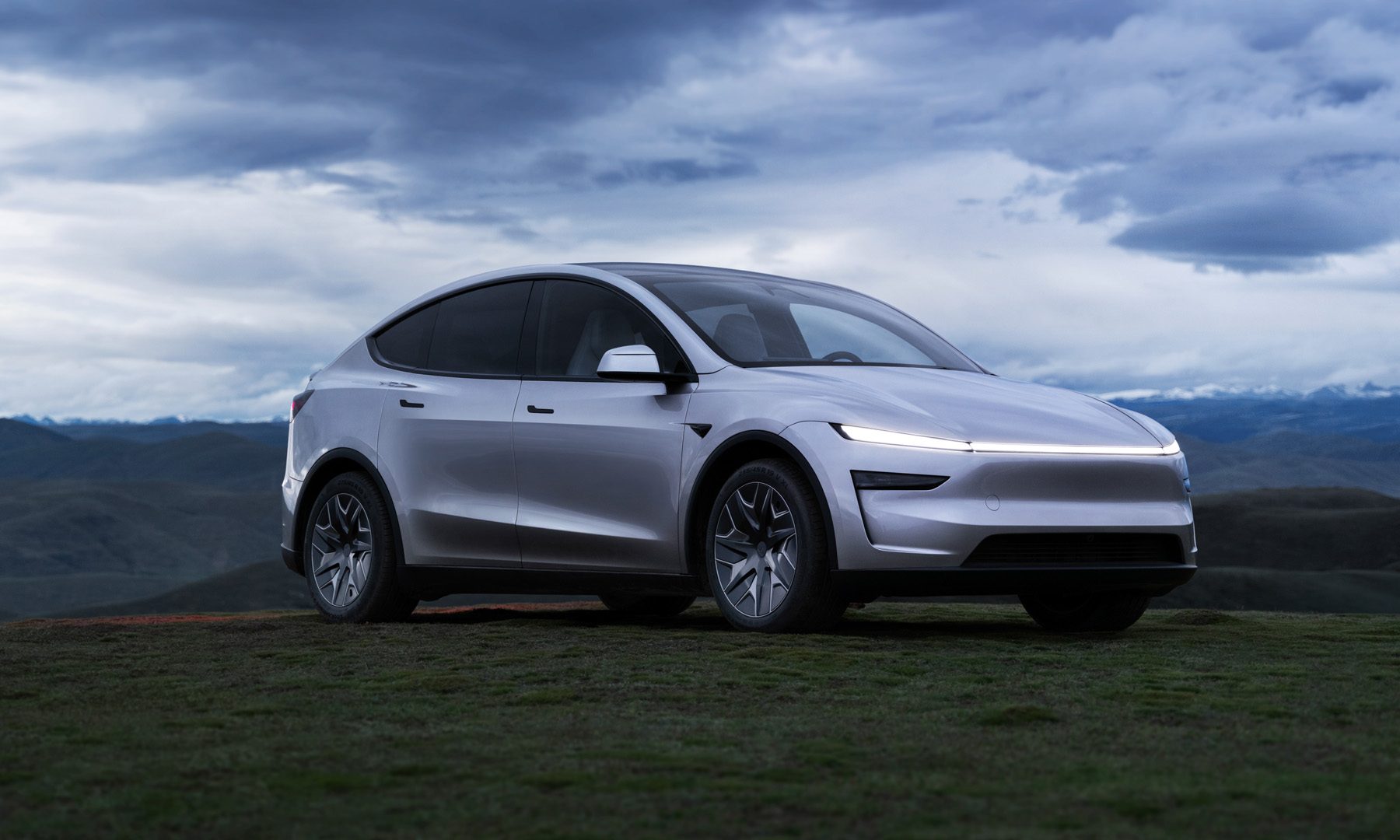
Tesla is giving the Model Y a little more breathing room. The company has officially launched the Model Y Long Wheelbase in the United States and Puerto Rico, introducing a stretched version of its best-selling electric SUV with a three-row, six-seat layout that's designed to make family road trips a lot more comfortable.

A bigger Model Y with a focus on comfort

Read more
A stolen Kia reveals the hidden limits of connected car technology
Kia can see where your stolen car is. GDPR means it won't share that in real time. That is the entire problem.
Kia EV3 design

If you’re buying a car with connected car technology, thinking it would help you to recover it in the event of theft, you might want to recalibrate your expectations. 

A recent incident in the UK, in which a car owner had three tracking devices installed in his car and still couldn’t recover it, led the carmaker to state that connected-car technology isn’t a “certified security vehicle tracker” (via the BBC).

Read more
Cambrige experts find utterly simple fix for longer lasting EV batteries. Just put some pressure on it.
Scientists found a way to make EV batteries last longer without reinventing the battery
EV Charging

EV battery breakthroughs typically involve new chemistry, exotic materials, or faster charging/higher capacity. But a new study reveals that you can skip all the fancy stuff and go with a very simple solution, Researchers from the University of Cambridge found that putting the battery under the right amount of pressure actually helps.

The study was about how physical pressure affects lithium-ion battery life, which found that keeping cells under constant pressure could double their lifespan. The work was published in Nature Energy, and the team says the improvement came without changing the active materials, electrolyte, or basic battery chemistry.

Read more