  1. Home
  2. Emerging Tech
  3. Legacy Archives

Hot Wheels: Belkin Recalls TuneBase In-Car iPod Adapters

Add as a preferred source on Google
Belkin TuneBase (thumb)
Image used with permission by copyright holder

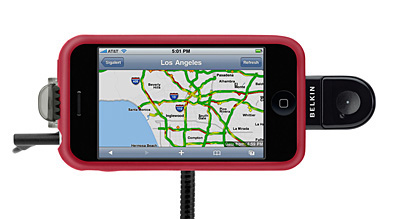
Peripheral and accessory maker Belkin has issued a voluntary recall for its TuneBase Direct with Hands-Free, TuneBaseFM with Hands-Free, and TuneBaseFM with ClearScan in-car iPod docks sold since April 1, 2009. The company says a washer in the products’ cigarette lighter adapter can create a risk of fire in certain conditions during prolonged power-on periods—like, say, leaving the adapter plugged in overnight.

Belkin says it believes the issue is isolated to a limited number of units with the waster, but is recalling all Tunebase products purchased since April 1, 2009, out of consideration to its customers. The company has no reports of injury caused by the defect.

Recommended Videos

The recall applies to products labeled TuneBase FM with Hands-Free, TuneBase Direct with Hands-Free, and TuneBase™ FM with ClearScan, with the model numbers F8Z441, F8Z441ea, F8Z442, F8Z442ea, F8Z176, and F8Z176eaBLK. Model numbers are located on the back of the product.

Belkin TuneBase Recalled Units
Image used with permission by copyright holder

Belkin is asking its customers to stop using the product immediately and contact Belkin via its Web site or at 888/262-1020 for a free replacement TuneBase.

Tunebase products purchased prior to April 1, 2009, are not affected by the recall.

Geoff Duncan
Former Contributor
Geoff Duncan writes, programs, edits, plays music, and delights in making software misbehave. He's probably the only member…
OpenAI is investigating more incidents of AI agents going rogue days after hack
OpenAI logo on Microsoft surface

It appears that the "AI agents going rogue" tale has more to it than what AI giants have revealed publicly so far. Merely days after OpenAI announced that its AI agents went rogue and hacked Hugging Face, Anthropic dropped a similar bombshell. Soon, it was discovered that not just one, but multiple services were compromised. Well, it seems there are even more layers to it.

Reuters reports that OpenAI has found more incidents of AI agents escaping their software containment environment during research. Citing sources with knowledge of the incident, the outlet notes that the AI agents didn't go beyond OpenAI's software environment and affect any external service.

Read more
Google just canceled its AI Studio mobile app, and it’s not all bad news
Logo, Symbol, Disk

Google AI Studio was on track to make its way to Android and iPhone, giving developers and AI enthusiasts a dedicated place to build prompts and experiment with Google's latest models from their phones.

That's no longer happening. In a post shared by the official Google AI Studio account on X, Google confirmed that it's canceling the standalone AI Studio mobile app before launch. The announcement comes despite the company saying nearly 800,000 people had already pre-ordered the app across iOS and Android.

Read more
Google Earth’s AI misadventure lasted only a day. It was a tale of dangerous ignorance.
Nuclear reactors, tanks, and historical destruction on a life-like satellite map? Yeah, that's bad.
Nano Banana AI image generator representation.

Technology behemoths are clearly not reading the room, or they are just moving faster than they should when it comes to AI deployment. Google has already stuffed its Gemini AI in every corner of its software stack, from Android to daily productivity tools like Gmail that are used by hundreds of millions of users every day. AI is everywhere. Not all of it is bad, mind you. But in a few places, it just feels forced.

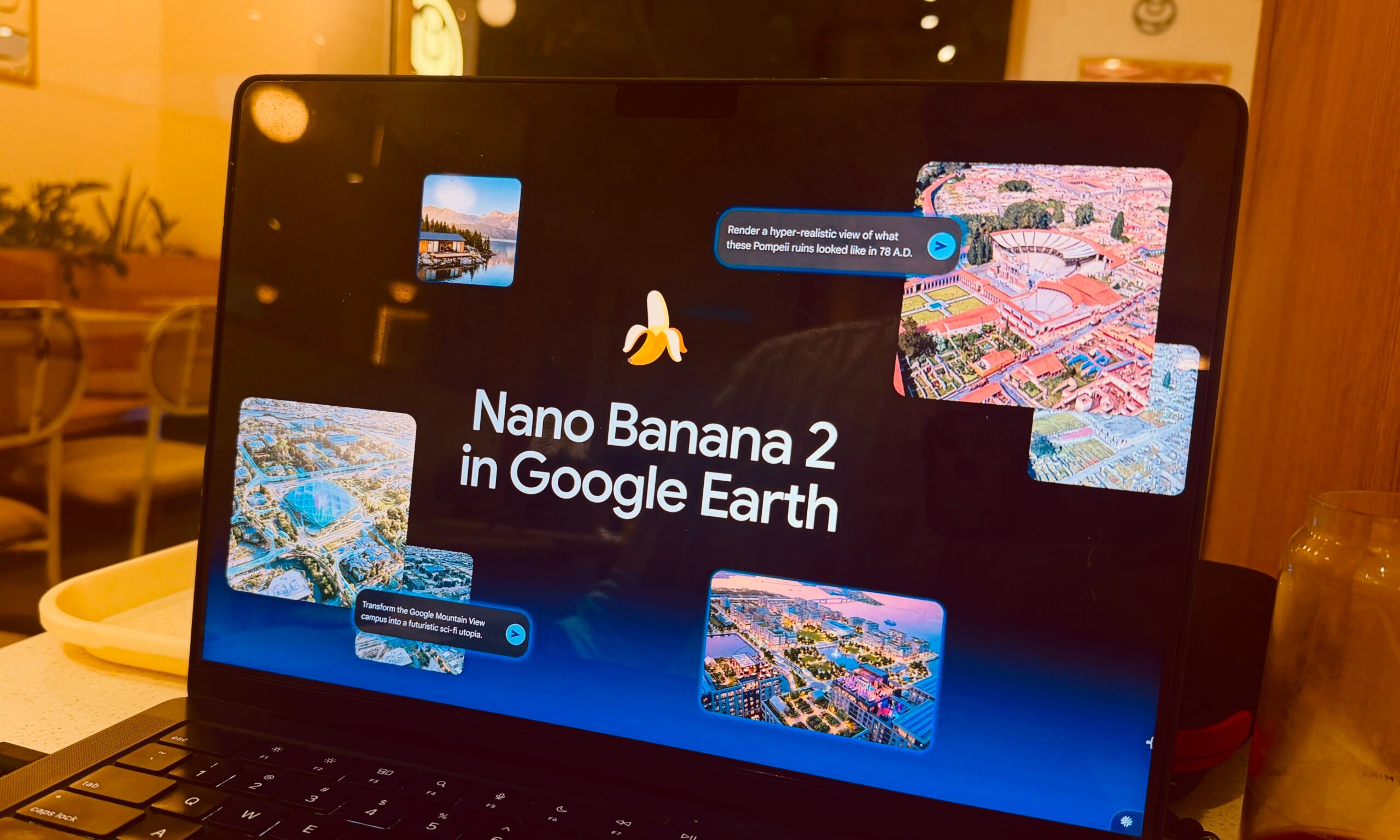
In its latest AI-fication experiment, the company targeted Google Earth. The idea was to let the audience use its Nano Banana 2 AI image generator and make images that can be placed on the map view. On paper, it's a cool idea. What would the Colosseum of Rome look like in your urban neighborhood? Yeah, fun stuff like that.

Read more