1. Home
  2. Computing
  3. Web
  4. Legacy Archives

While IE and Chrome enjoy more popularity on the desktop, fewer people are warm to Firefox

Add as a preferred source on Google

Net Marketshare’s numbers for desktop browser use in October are out, and while both Internet Explorer and Chrome gained over the last 30 days, Firefox continues to lose steam.

IE remains the top dog by a landslide, accounting for 58.49 percent of total desktop-based Web traffic. That’s slightly better than its 58.37 September result, and almost imperceptibly up from August, when Microsoft’s proprietary browser sat at a supremely dominant 58.46 percent.

Recommended Videos

Meanwhile, Google Chrome use shot up from the sub-20 range in August, to over 20 percent in September, and it isn’t looking back. Previously at 21.19 percent in September, the silver medalist earned a measly 0.06 percent in October, and is now eating up 21.25 percent of the pie.

The third spot on the podium goes, as always, to Firefox, whose share dropped from 14.18, to 13.91 percent between September and October. This is the second consecutive monthly loss for Mozilla’s browser, which dipped from 15.23 percent in August. All in all, the flame-spitting wild beast lost a whopping 1.32 percentage points in the last 60 days. That’s close to 10 percent.

Outside of the top three browsers, there’s little movement in one direction or the other, with Apple’s Safari still a distant fourth. Usage of Apple’s browser, which is pre-installed on all Mac computers, rose from 5.01 percent in September, to 5.1 in October. Safari’s August number of 5.32 percent is a distant, pleasant memory in Cupertino.

Opera is, as one would expect, a mere blip on IE’s, Chrome’s, Firefox’s, and even Safari’s radar, with its popularity shrinking to 0.83 percent. That’s down from 0.86 percent in September.

It’s important to note that Explorer got a bit of media attention recently, thanks to minor security improvements and bug fixes. That probably helped it grow, but maybe not as drastically as Microsoft had hoped. It’s worth noting that IE is installed on all Windows machines by default.

The same could be said about the release of one of Google’s more exciting Chrome extensions in a while, which failed to make a great impact. On the Firefox front, very little changed, and you can see that reflect in its increasingly disappointing scores.

As for Safari, it’s the same old story, but as we saw in our recent review of the iMac with Retina Display, it’s still the smoothest browser to use on Mac OS X systems.

Adrian Diaconescu
Former Digital Trends Contributor
Adrian is a mobile aficionado since the days of the Nokia 3310, and a PC enthusiast since Windows 98. Later, he discovered…
Microsoft wants Windows 11 and your phone to become best friends
Microsoft's latest plans reportedly focus on making the PC and smartphone experience feel seamless.
Windows 11 PC with Android Phone

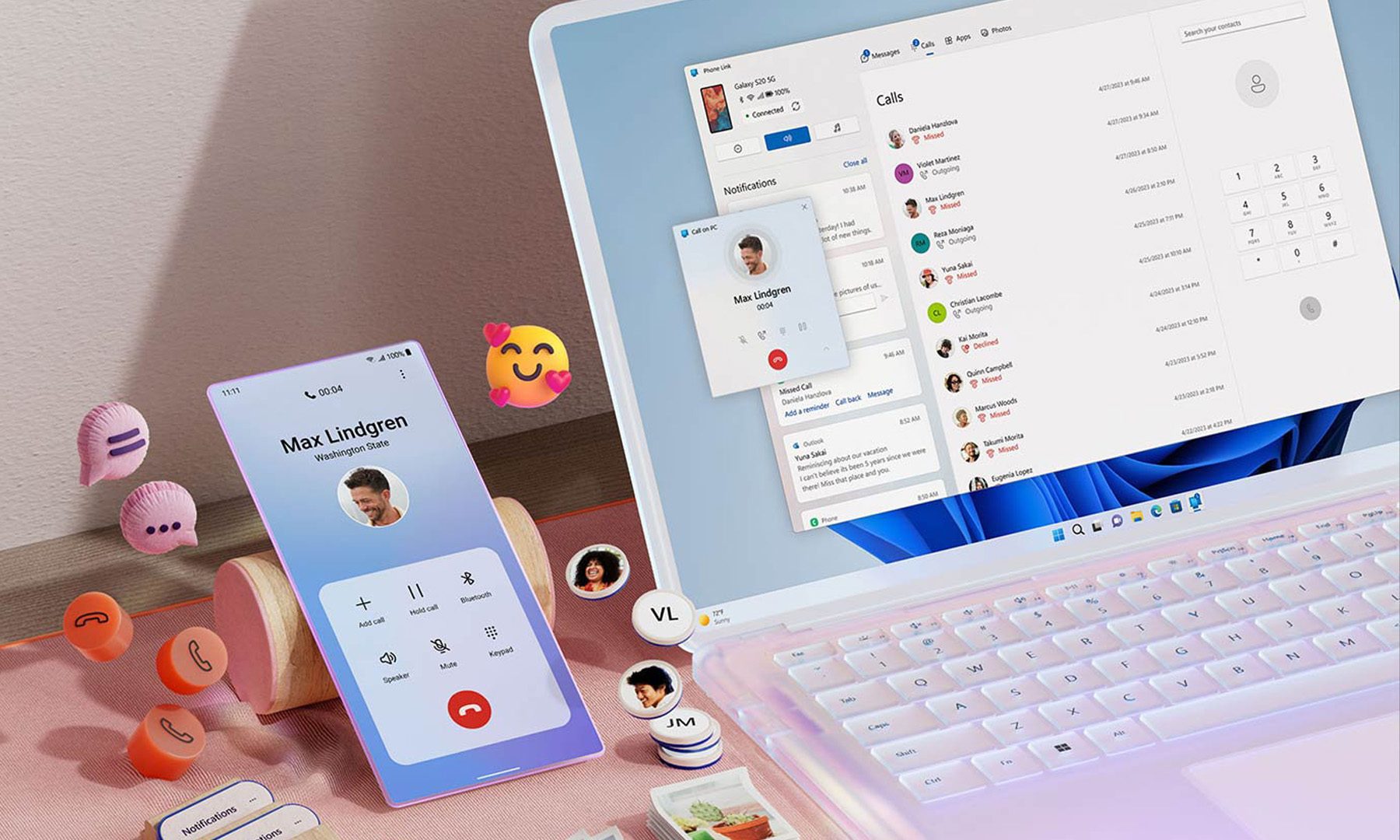
For years, Phone Link has felt like that one app everyone knows exists but rarely remembers to open. Microsoft apparently wants to change that. According to a report from Windows Central, the company is working on a major overhaul of how smartphones integrate with Windows 11, making phones feel like a native part of the operating system instead of something users access through a separate app.

Phone Link is coming out of hiding

Read more
What are Copilot+ PCs? Everything you need to know
Copilot

Walk through a laptop aisle in 2026 and the Copilot+ PC branding is highlight for most Windows laptops. From Microsoft's own surface to other PC makers like Samsung, HP, and Dell, you can find notebooks that carry this badge to convey that they are AI-ready. At a glance, the name sounds like it refers to a computer with a better version of the Copilot chatbot, which only explains a small part of it.

A Copilot+ PC is a Windows 11 computer that meets Microsoft’s hardware standard for advanced on-device AI features like a compatible processor with a dedicated NPU. You also need a certain amount of RAM and storage, all of which brings access to Windows features such as Recall, Click to Do, and much more. Many of these experiences use the NPU to process information locally, reducing their reliance on cloud servers and helping them run more efficiently in the background.

Read more
ASUS expands its ProArt lineup with a compact keyboard and a smart creator mouse
The new ProArt KD300 and MD301 are designed to make life easier for designers, editors, and creators.
ASUS ProArt Keyboard KD300 and ProArt Mouse MD301

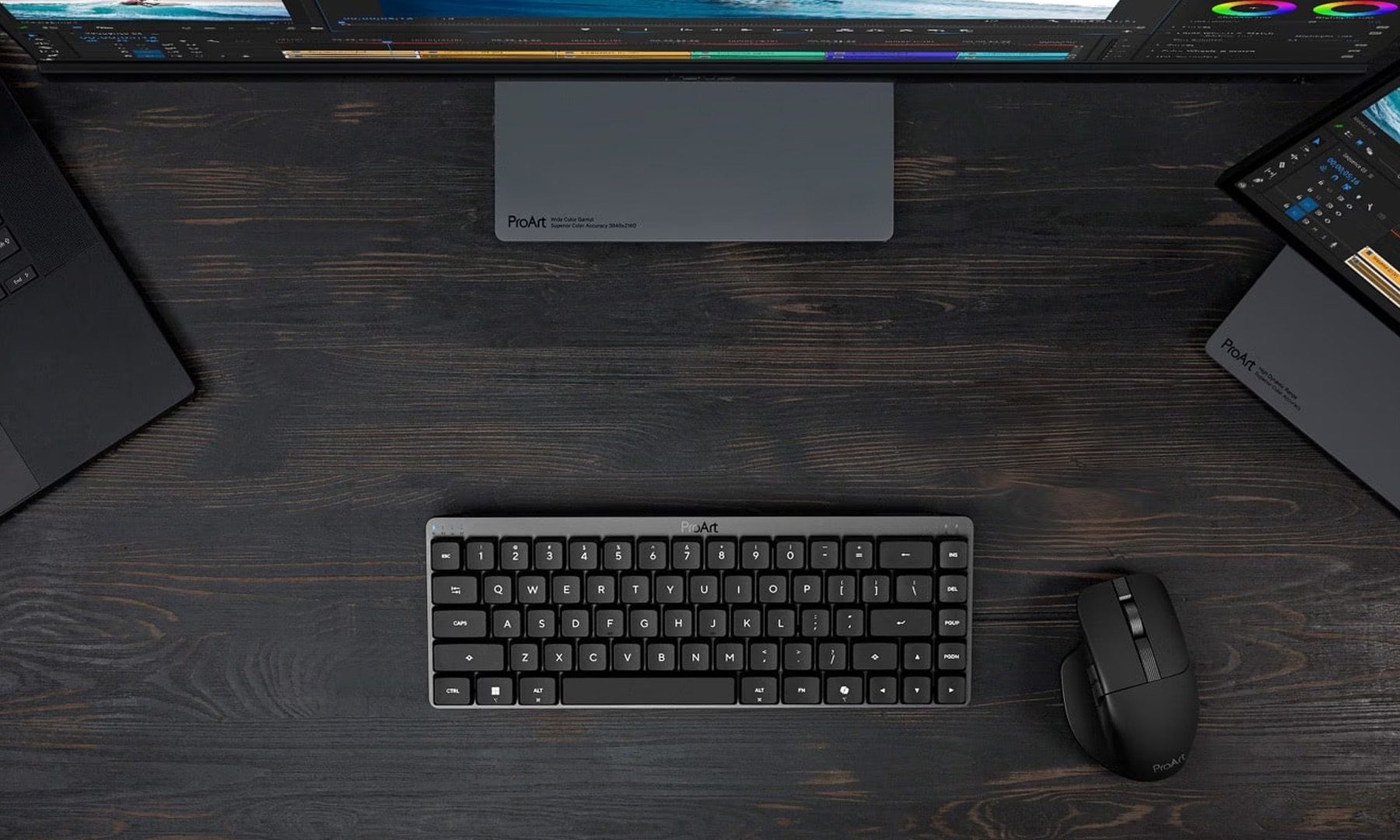
Creators have long had plenty of powerful laptops and monitors to choose from. Keyboards and mice? Not so much. ASUS is looking to change that with the expansion of its ProArt accessory lineup. Leading the announcement is the new ProArt Keyboard KD300, a compact low-profile keyboard that's designed to work alongside the ProArt Mouse MD301, giving creators a matching desktop setup built specifically for productivity instead of gaming.

A compact keyboard that doesn't sacrifice functionality

Read more