1. Home
  2. Computing
  3. Legacy Archives

Microsoft condemns Google for revealing another Windows 8.1 security bug

Add as a preferred source on Google

Windows vulnerabilities and security concerns are nothing new, but the latest 8.1 User Profile Service exploit discovered could spark a serious corporate war. Google and Microsoft find themselves at odds again, this time disagreeing on bug disclosure timing.

A contributor for the Google Security Research program going by the nickname of Forshaw brought the glitch to Redmond’s attention on October 13 2014, filing it under medium for severity. As per Big G’s protocol, MS was given a 90-day deadline to issue a satisfactory fix before the confidential bug report would automatically go live for the whole world to see.

Recommended Videos

In response, Microsoft confirmed it was aware of the problem, and initially estimated a universally working patch would be ready for primetime by February 2015. When informed there was no bending of the rules, and no possible way to extend the three-month due date, the Windows 8.1 repairmen promised a fix for January.

But Google wasn’t willing to wait a minute past the 90 days, and less than 24 hours ago, the issue’s description and details were posted. It didn’t take long for the search giant’s arch-nemesis to snap at the reveal, which they described as a “gotcha” moment rather than a matter of principle.

Microsoft Security Response Center, Chris Betz, claims January 13, i.e. tomorrow, would have seen the vulnerability put to rest, regardless of whether Google released the sensitive information.

And there’s no reason to suspect that’s not true, since January 13 is the month’s second Tuesday, also known as Patch Tuesday for its traditional bug-treating qualities. It’s hard to argue with Microsoft when accusing Google of putting its enterprise interests ahead of those of the customers, given the same mysterious “Forshaw” dug up and ultimately published a separate Windows 8.1 exploit on December 29.

As for the specifics of the two bugs, they’re a little too technical and complicated to explain in a nutshell, so let’s just forget they even existed. As long as they’re both squashed by Wednesday, that is. If not, we may need to side with Google on this.

Adrian Diaconescu
Former Digital Trends Contributor
Adrian is a mobile aficionado since the days of the Nokia 3310, and a PC enthusiast since Windows 98. Later, he discovered…
Microsoft wants Windows 11 and your phone to become best friends
Microsoft's latest plans reportedly focus on making the PC and smartphone experience feel seamless.
Windows 11 PC with Android Phone

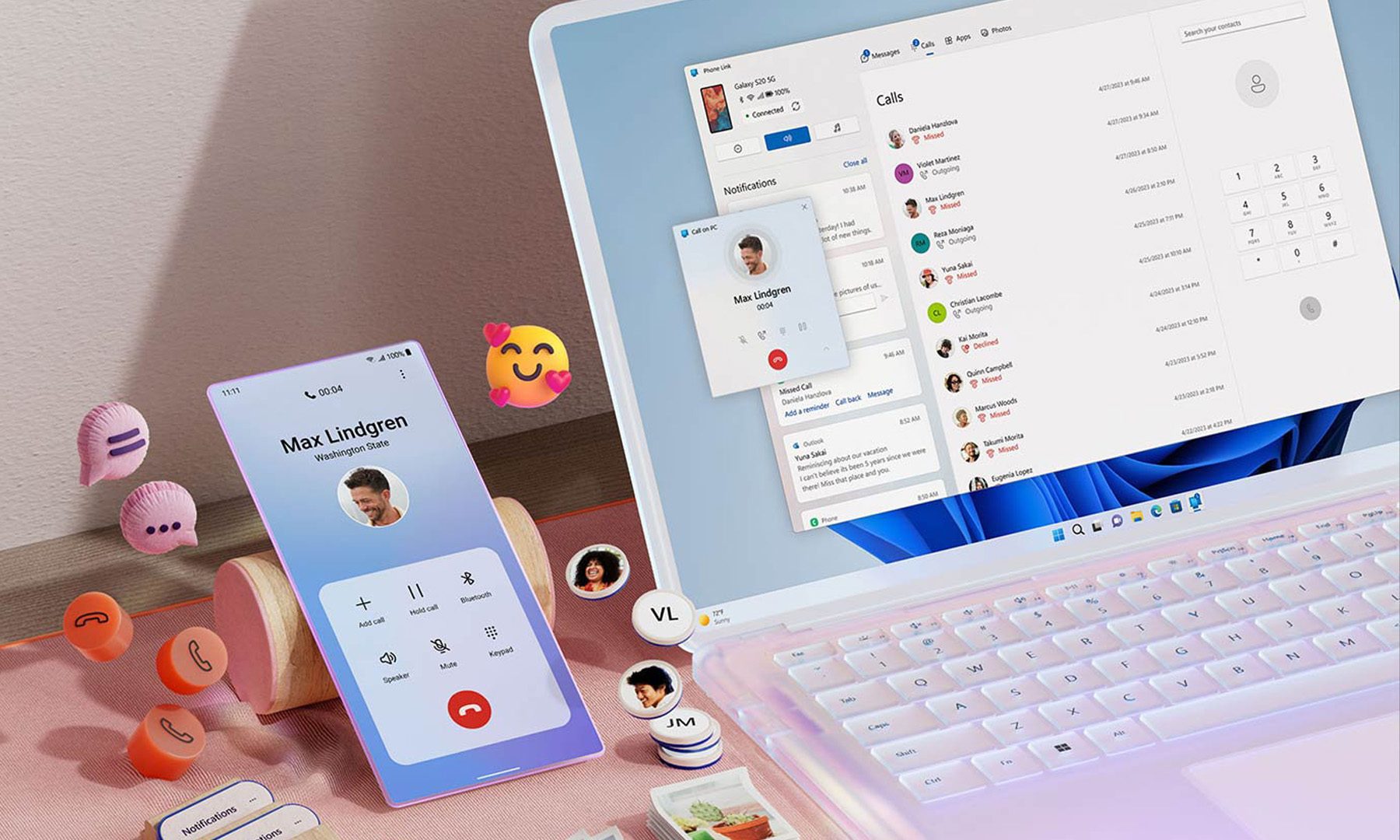
For years, Phone Link has felt like that one app everyone knows exists but rarely remembers to open. Microsoft apparently wants to change that. According to a report from Windows Central, the company is working on a major overhaul of how smartphones integrate with Windows 11, making phones feel like a native part of the operating system instead of something users access through a separate app.

Phone Link is coming out of hiding

Read more
What are Copilot+ PCs? Everything you need to know
Copilot

Walk through a laptop aisle in 2026 and the Copilot+ PC branding is highlight for most Windows laptops. From Microsoft's own surface to other PC makers like Samsung, HP, and Dell, you can find notebooks that carry this badge to convey that they are AI-ready. At a glance, the name sounds like it refers to a computer with a better version of the Copilot chatbot, which only explains a small part of it.

A Copilot+ PC is a Windows 11 computer that meets Microsoft’s hardware standard for advanced on-device AI features like a compatible processor with a dedicated NPU. You also need a certain amount of RAM and storage, all of which brings access to Windows features such as Recall, Click to Do, and much more. Many of these experiences use the NPU to process information locally, reducing their reliance on cloud servers and helping them run more efficiently in the background.

Read more
ASUS expands its ProArt lineup with a compact keyboard and a smart creator mouse
The new ProArt KD300 and MD301 are designed to make life easier for designers, editors, and creators.
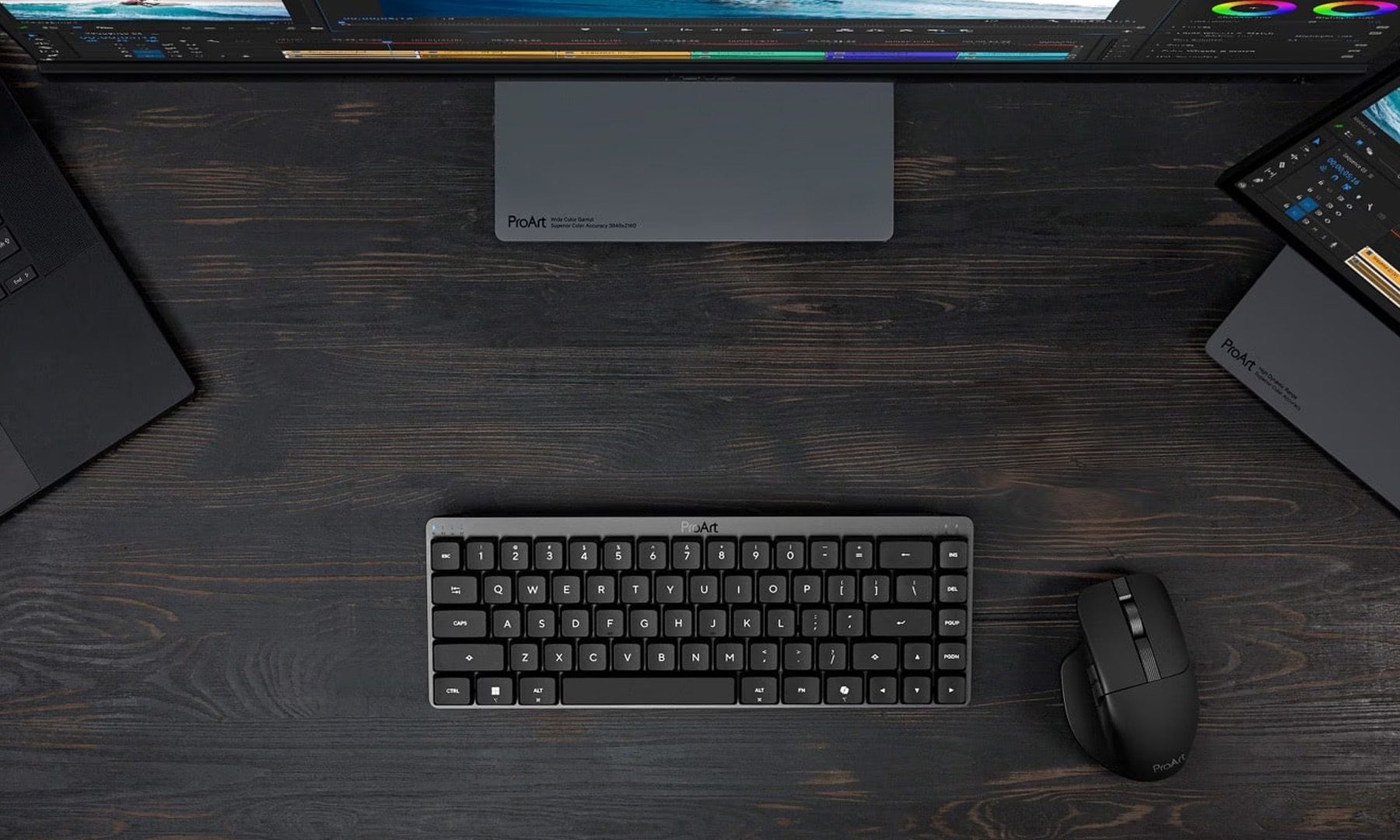
ASUS ProArt Keyboard KD300 and ProArt Mouse MD301

Creators have long had plenty of powerful laptops and monitors to choose from. Keyboards and mice? Not so much. ASUS is looking to change that with the expansion of its ProArt accessory lineup. Leading the announcement is the new ProArt Keyboard KD300, a compact low-profile keyboard that's designed to work alongside the ProArt Mouse MD301, giving creators a matching desktop setup built specifically for productivity instead of gaming.

A compact keyboard that doesn't sacrifice functionality

Read more