1. Home
  2. Computing
  3. Legacy Archives

January Patch Tuesday mends eight important and critical Windows security defects

Add as a preferred source on Google

After pushing back on Google for the search giant’s reveal of a major Windows 8.1 security vulnerability before a patch could be issued, Microsoft has delivered on its promise, and ultimately fixed the bug.

As part of a long-established tradition unofficially dubbed Patch Tuesday, this month’s second Tuesday saw no less than eight updates deployed in total to amend glitches rated important or critical. Interestingly, none of these address Internet Explorer defects, which may well be a first for the routine patch program.

Recommended Videos

That could be interpreted as good news by enduring IE fans, suggesting a certain level of stability has been reached at last after years of struggles. Or the exact opposite, with Redmond perhaps ready to throw in the towel and concentrate squarely on Spartan.

Still, no matter how you look at it, eight new Windows vulnerabilities are eight too many. The most serious is a critical issue in the Telnet service affecting systems running Vista, 7, 8 and 8.1, plus Windows Server 2003, 2008 and 2012.

Telnet isn’t enabled by default on Windows Server 2003, and isn’t installed altogether on fresher OS flavors than Vista. But it can be installed and enabled on all the platform iterations listed above, and once that’s done, remote codes are easily executable by resourceful attackers capable of sending “specially crafted packets” to infected Windows servers.

Given the bug’s alarming rating, we assume Microsoft knows of hackers who’ve capitalized on the exploit, so you’d better patch on before it’s too late if you’ve activated Telnet.

Both the glitch Google made public earlier this week, and the one brought to our attention a little while back, are deemed important but not critical by Microsoft. They’re elevation of privilege warnings, and can be put to rest once and for all.

As can another “important” elevation of privilege vulnerability found in Windows Components, a couple of security feature bypass dangers, a denial of service malfunction, and yet another elevation of privilege snag discovered in Windows Kernel-Mode Driver. We’d say all’s well that ends well, but we’re aware many Patch Tuesdays will follow.

Adrian Diaconescu
Former Digital Trends Contributor
Adrian is a mobile aficionado since the days of the Nokia 3310, and a PC enthusiast since Windows 98. Later, he discovered…
Microsoft wants Windows 11 and your phone to become best friends
Microsoft's latest plans reportedly focus on making the PC and smartphone experience feel seamless.
Windows 11 PC with Android Phone

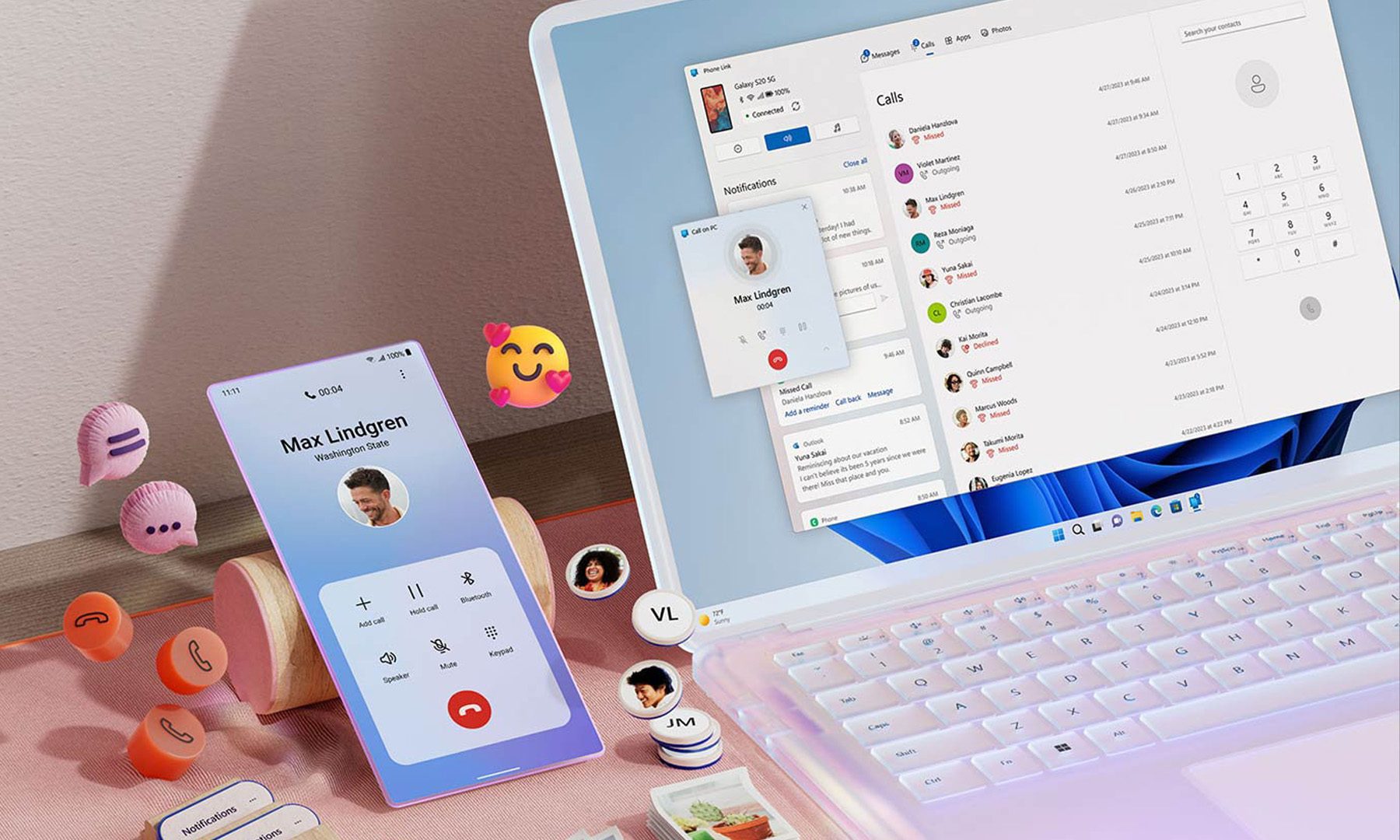
For years, Phone Link has felt like that one app everyone knows exists but rarely remembers to open. Microsoft apparently wants to change that. According to a report from Windows Central, the company is working on a major overhaul of how smartphones integrate with Windows 11, making phones feel like a native part of the operating system instead of something users access through a separate app.

Phone Link is coming out of hiding

Read more
What are Copilot+ PCs? Everything you need to know
Copilot

Walk through a laptop aisle in 2026 and the Copilot+ PC branding is highlight for most Windows laptops. From Microsoft's own surface to other PC makers like Samsung, HP, and Dell, you can find notebooks that carry this badge to convey that they are AI-ready. At a glance, the name sounds like it refers to a computer with a better version of the Copilot chatbot, which only explains a small part of it.

A Copilot+ PC is a Windows 11 computer that meets Microsoft’s hardware standard for advanced on-device AI features like a compatible processor with a dedicated NPU. You also need a certain amount of RAM and storage, all of which brings access to Windows features such as Recall, Click to Do, and much more. Many of these experiences use the NPU to process information locally, reducing their reliance on cloud servers and helping them run more efficiently in the background.

Read more
ASUS expands its ProArt lineup with a compact keyboard and a smart creator mouse
The new ProArt KD300 and MD301 are designed to make life easier for designers, editors, and creators.
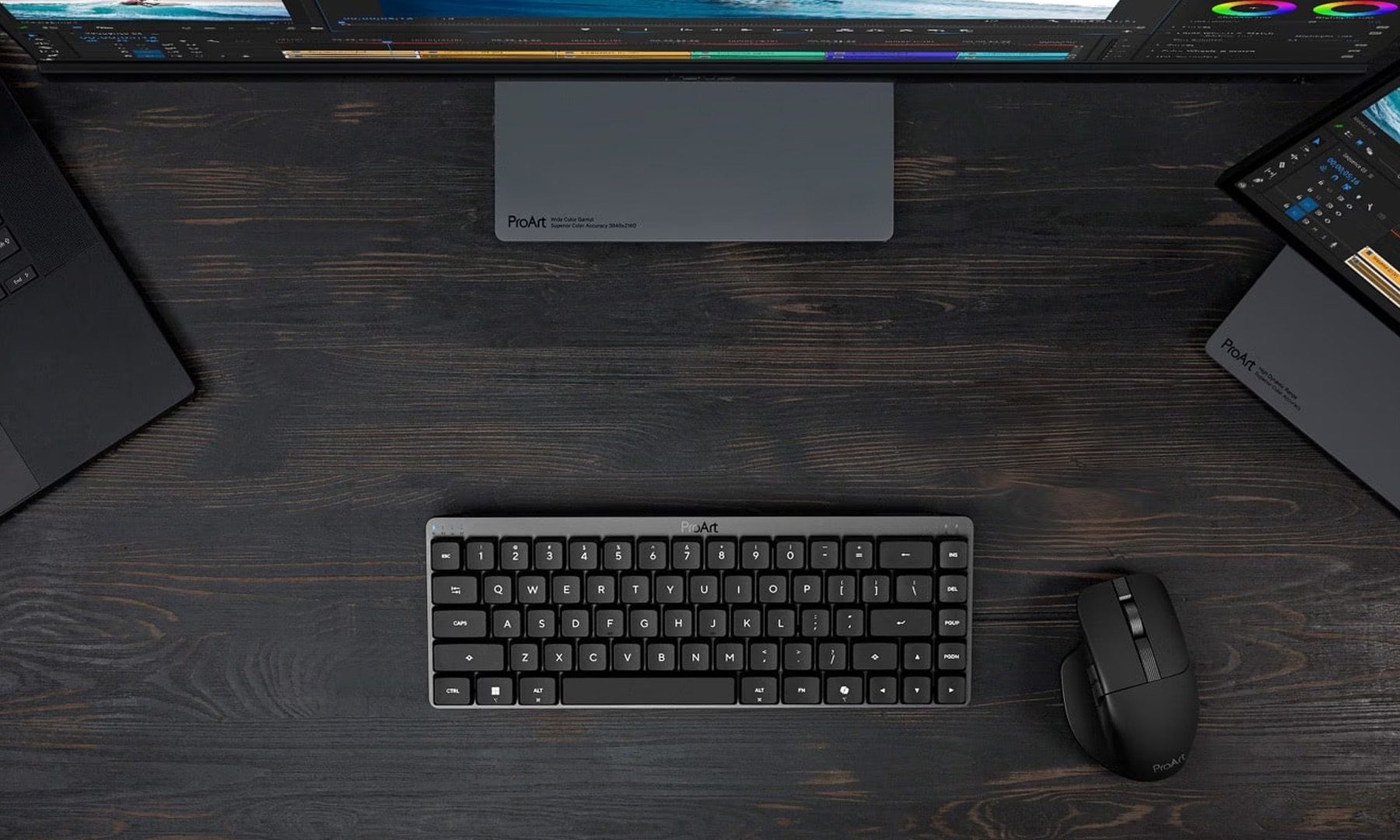
ASUS ProArt Keyboard KD300 and ProArt Mouse MD301

Creators have long had plenty of powerful laptops and monitors to choose from. Keyboards and mice? Not so much. ASUS is looking to change that with the expansion of its ProArt accessory lineup. Leading the announcement is the new ProArt Keyboard KD300, a compact low-profile keyboard that's designed to work alongside the ProArt Mouse MD301, giving creators a matching desktop setup built specifically for productivity instead of gaming.

A compact keyboard that doesn't sacrifice functionality

Read more