1. Home
  2. Computing
  3. Gaming
  4. Legacy Archives

Nvidia vows to assist GTX 970 refunds, roll out performance-improving driver update

Add as a preferred source on Google

Nvidia may have been quick to address gamer concerns as to the unusual memory allocation techniques of the GeForce GTX 970 GPU, but merely explaining the problem hasn’t defused the situation.

Planned or unplanned, the cost-cutting, power-saving production process that sees the graphics card’s VRAM separated cripples the high-end gaming experience for some.

Recommended Videos

In the eleventh hour, the Santa Clara-based tech titan seems to have grasped the concept of total transparency and serviceability, letting GTX 970 customers know they’ll be backed in their efforts to get refunds if desired.

Unfortunately, no widespread, clear-cut refund or exchange policy is on the horizon. According to a GeForce forum moderator and Nvidia employee, the company will do its “best to help” in cases where retailers may deny reimbursements. It’s not much, but we’ll take it.

Far more importantly for PC gamers unwilling to renounce the GTX 980’s lesser brother, it appears a driver update is in the pipeline. This is to “tune what’s allocated where in memory to further improve performance” and consolidate the video card’s status as “the best for the money.”

Sounds extremely encouraging, but you’re advised to keep your expectations relatively low. After all, there’s only so much a software tweak can do to lift hardware limitations. Remember, the issue is that an eighth of the card’s four gigabytes of RAM is designed to run at lower speeds than the rest of the memory, and chances are nothing will ever drastically change that.

Nvidia can optimize the two partitions, move a few things around and generally boost graphics performance for games requiring up to 3.5GB memory. But the final half-gig will never be as quick.

Arch-nemesis AMD knows that, and one of its Corporate VPs is going the extra mile on Twitter to provide Radeon alternatives with a “full” 4GBwhere “4GB means 4GB.” Ouch!

Adrian Diaconescu
Former Digital Trends Contributor
Adrian is a mobile aficionado since the days of the Nokia 3310, and a PC enthusiast since Windows 98. Later, he discovered…
Google Drive steps up its video collaboration game with timestamped comments
Google Drive's timestamped comments pin feedback to exact moments in videos.
Google Drive featured image.

Over the years, I’ve collaborated with many video editors and content creator friends of mine, often pointing out things like how the text isn’t visible around the two-minute mark or how the transition in the opening sequence feels a little off. 

However, most of the time, they would end up scrubbing through the whole clip trying to find what I meant, or they'd ask me to send a screenshot of the exact moment I was referring to. Considering I wasn’t charging anything to spot those issues, that extra effort always stung a little. Thankfully, Google’s latest Workspace update finally fixes that.

Read more
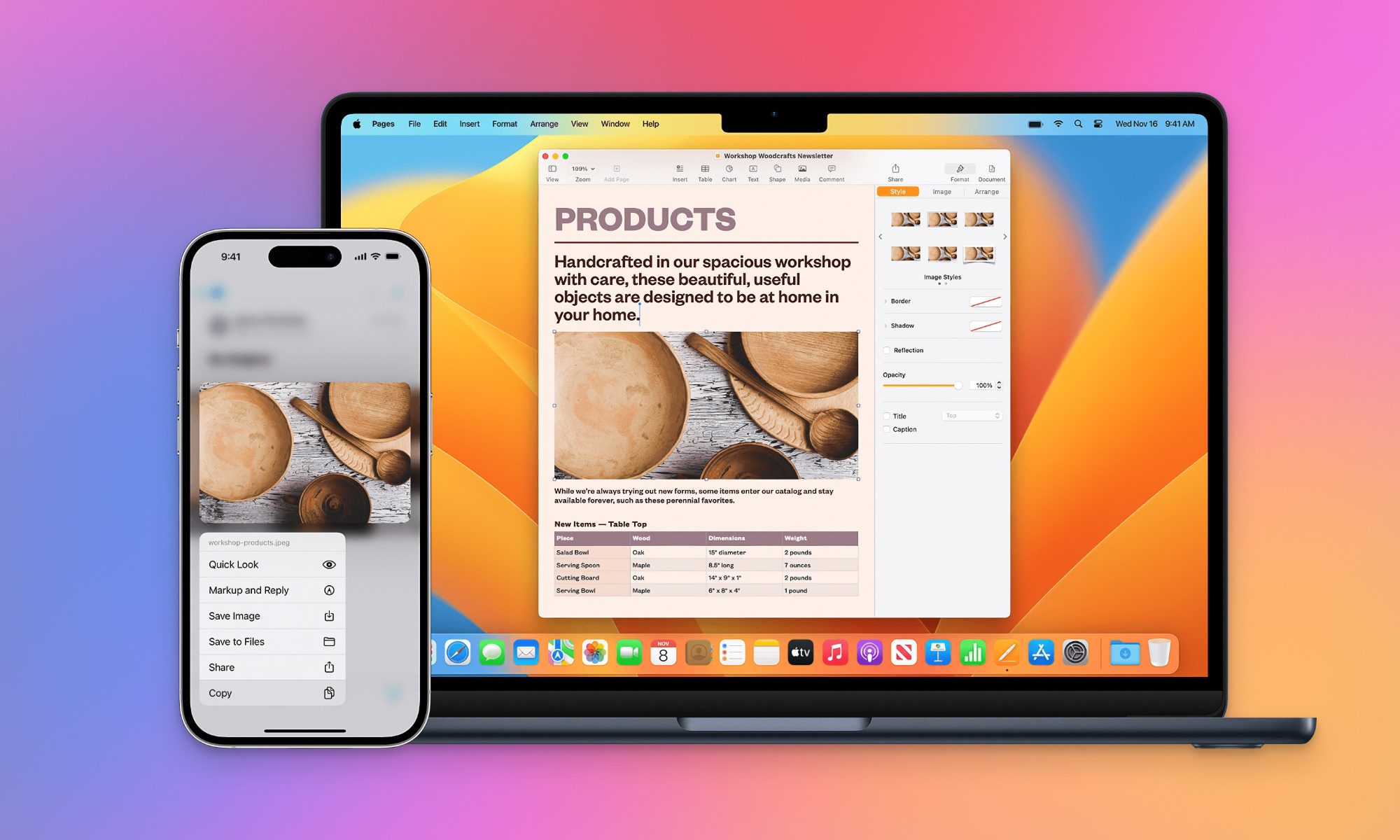
Apple is finally bringing one of my favorite Continuity features to Windows
Your iPhone and Windows PC could soon share a clipboard.
Apple Universal Clipboard feature

I recently wrote about Apple’s Continuity features and how they play a big role in keeping me trapped inside the Apple ecosystem. One of the smallest but most-used and favorite Continuity features is the Universal Clipboard, which lets me copy and paste text and files between multiple Apple devices. 

Now, it seems that feature is finally coming to Windows PCs. As per MacRumors, Apple is reportedly working on letting you copy something on your iPhone and paste it straight into a Windows PC, no third-party app required. 

Read more
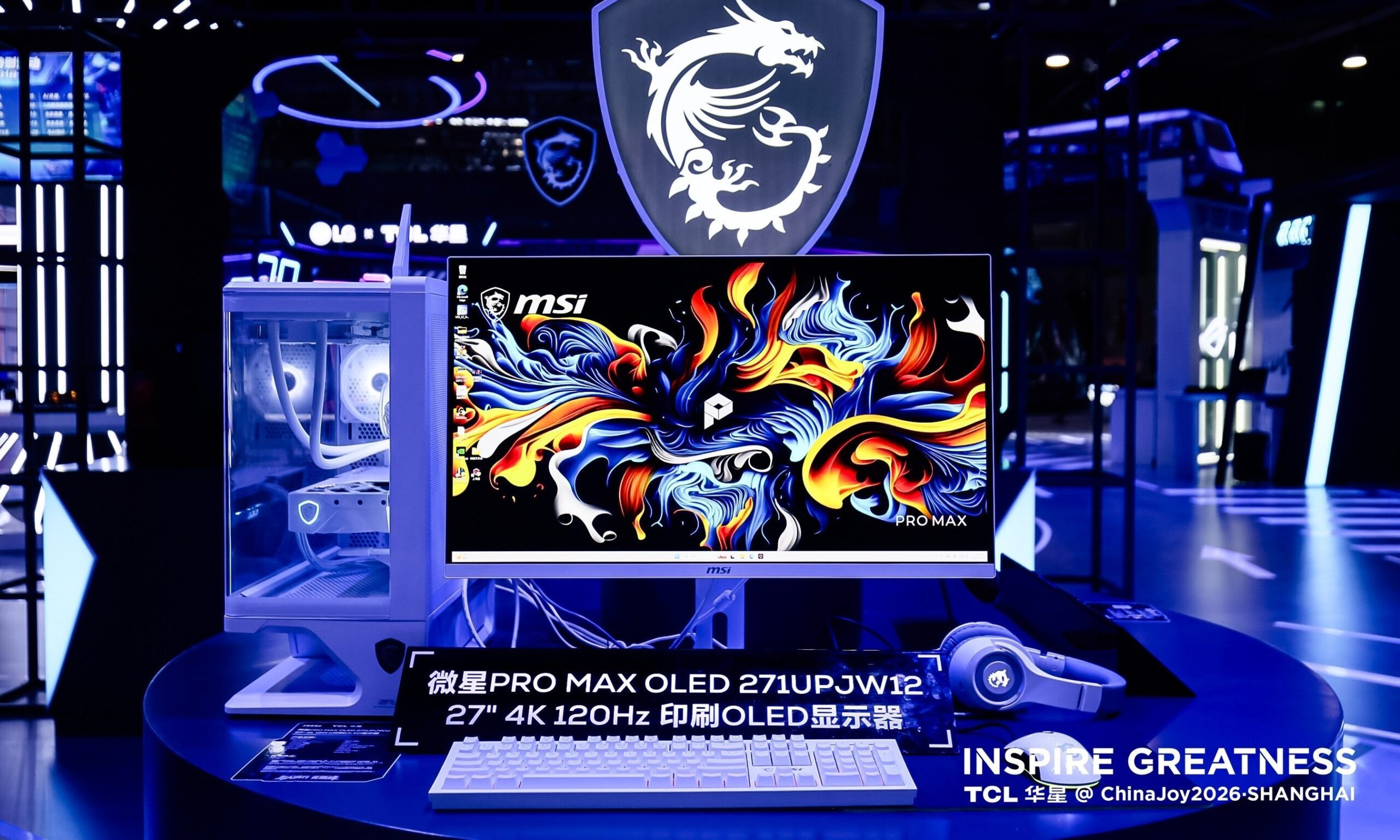
MSI’s new 4K 120Hz OLED monitor uses inkjet tech that could make premium screens cheaper
The first 27-inch 4K 120Hz IJP OLED monitor arrives through MSI and TCL CSOT
Computer Hardware, Electronics, Hardware

The future of OLED monitors may have just taken a significant step forward. MSI and TCL CSOT have unveiled the world’s first 27-inch 4K 120Hz desktop monitor built using inkjet-printed OLED technology, bringing a manufacturing method once limited to prototypes and specialist displays closer to everyday buyers.

Called the MSI Pro Max OLED 271UPJW12, the monitor uses a TCL CSOT panel created by printing organic light-emitting material directly onto the display. The process wastes less material than conventional OLED manufacturing and could eventually make panels cheaper and easier to produce at scale.

Read more